Cut Pile Carpet
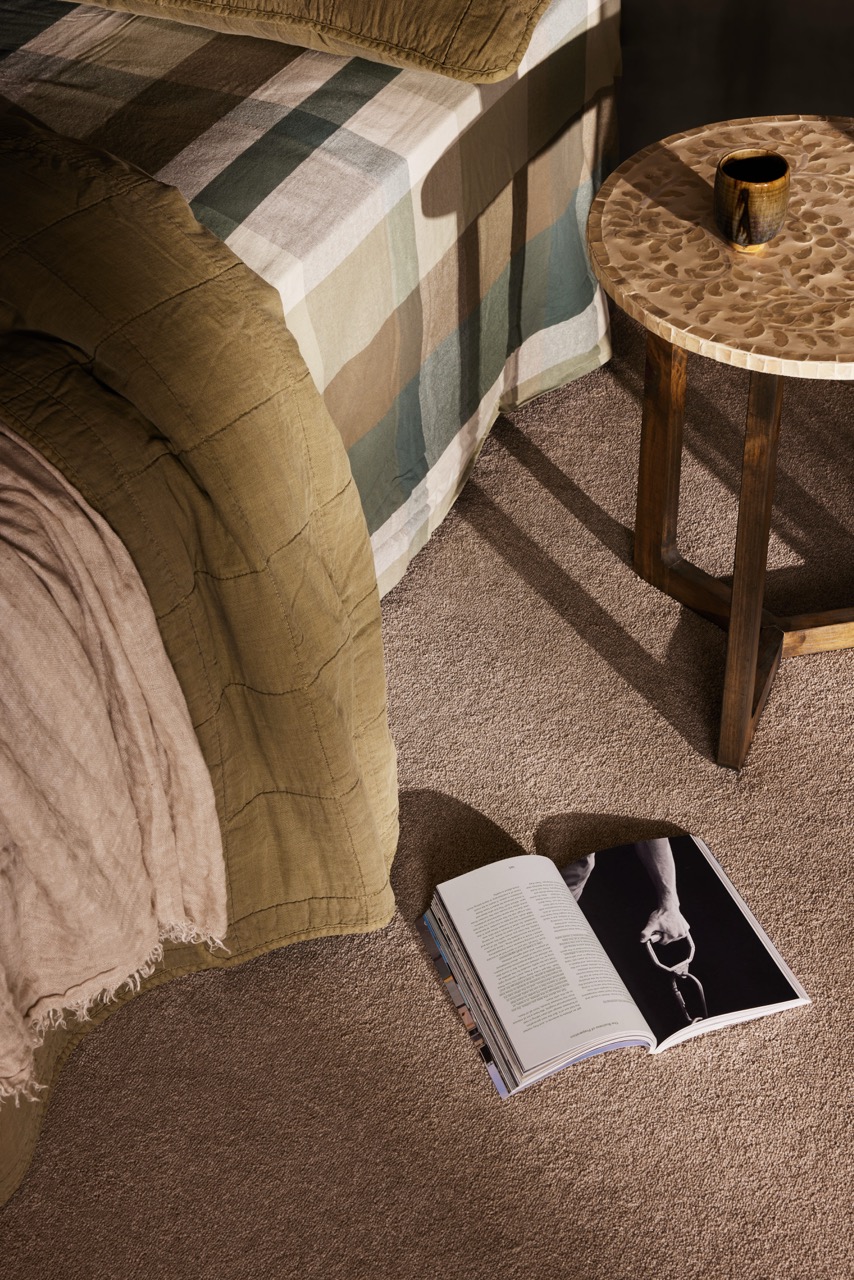
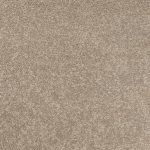
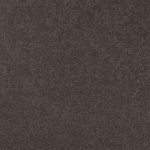
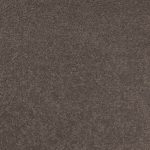
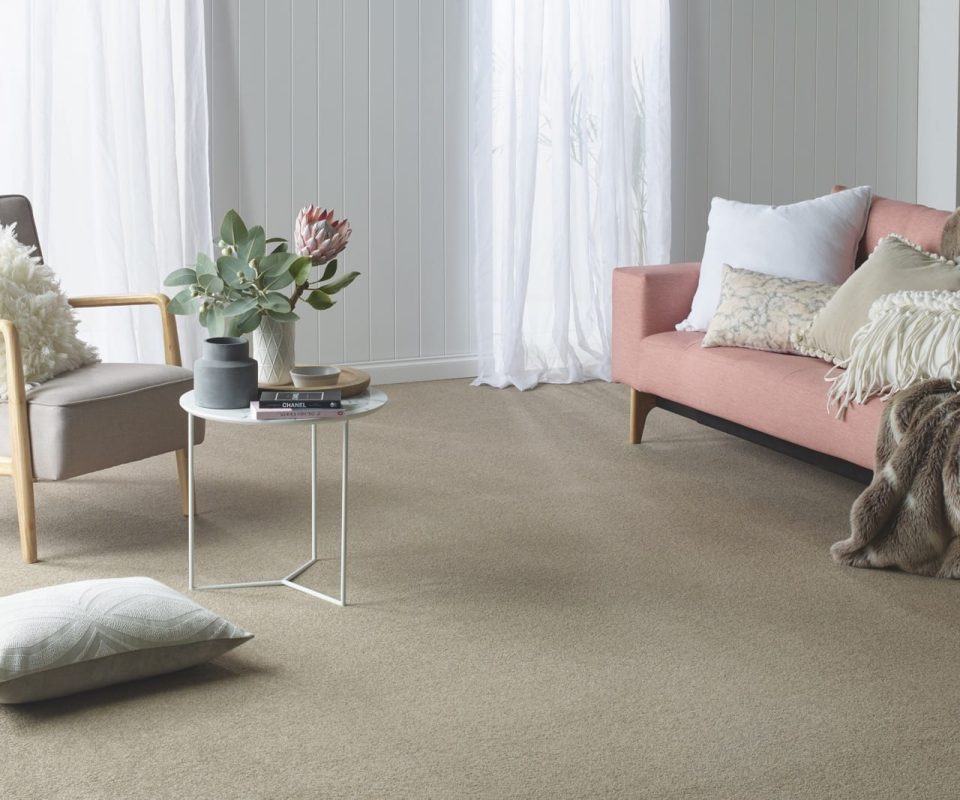
Cut pile carpet is the one your feet fall in love with: soft, deep and inviting from the first barefoot step. Our range centres on twist and textured styles that keep looking good while real family life happens on top. Feel each one in your own home, in your own light, with a free measure and quote.
Lifetime Install Guarantee
Mobile Showrooms
Award Winners
- Riverside Reserve
 Fibre: Solution Dyed NylonPrice: $$$ Luxurious
 10
10 - Salsa
 Fibre: Solution Dyed PolyesterPrice: $ Affordable8
 - Sheer Bliss
 Fibre: Solution Dyed NylonPrice: $$$ Luxurious10
 - Silken Memories
 Fibre: Greenstrand Solution Dyed BCFPrice: $$ Mid Range9
 - Star Struck
 Fibre: Perma Soft Plus Solution Dyed NylonPrice: $$$ Luxurious10
 - Tarja
 Fibre: Solution Dyed PolypropylenePrice: $ Affordable9
 - Templeton
 Fibre: Solution Dyed NylonPrice: $$ Mid Range8
 - Touch Of Luxury
 Fibre: Greenstrand Solution Dyed BCFPrice: $$$ Luxurious9
 - Touch Of ParadiseFibre: Greenstrand Solution Dyed BCFPrice: $$$ Luxurious9
- Tullibrook
 Fibre: 80% Wool 20% PolypropylenePrice: $$$ Luxurious10
 - Wild River
 Fibre: PolyesterPrice: $ Affordable10
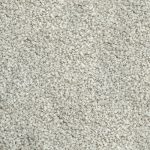
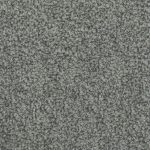
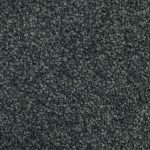
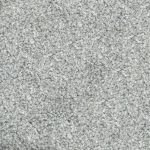
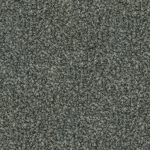
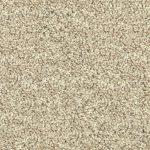
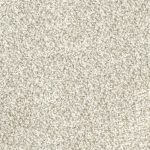
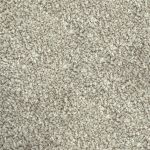
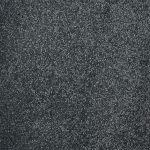
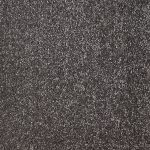
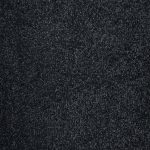
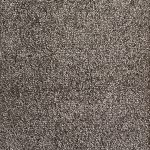
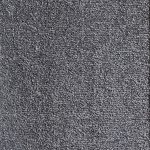
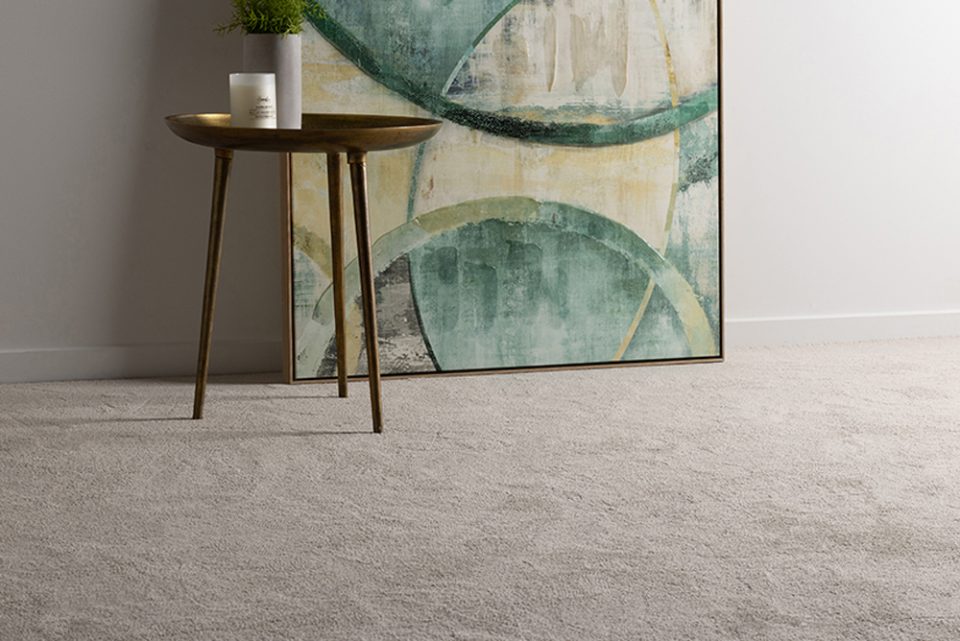
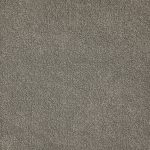
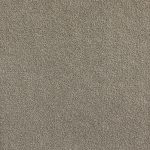
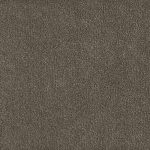
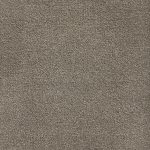
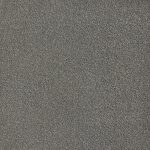
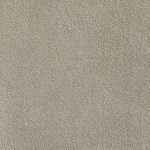
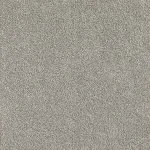
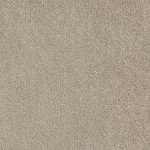
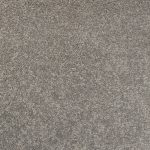
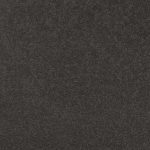
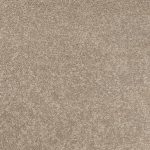
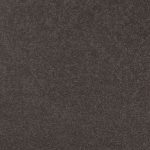
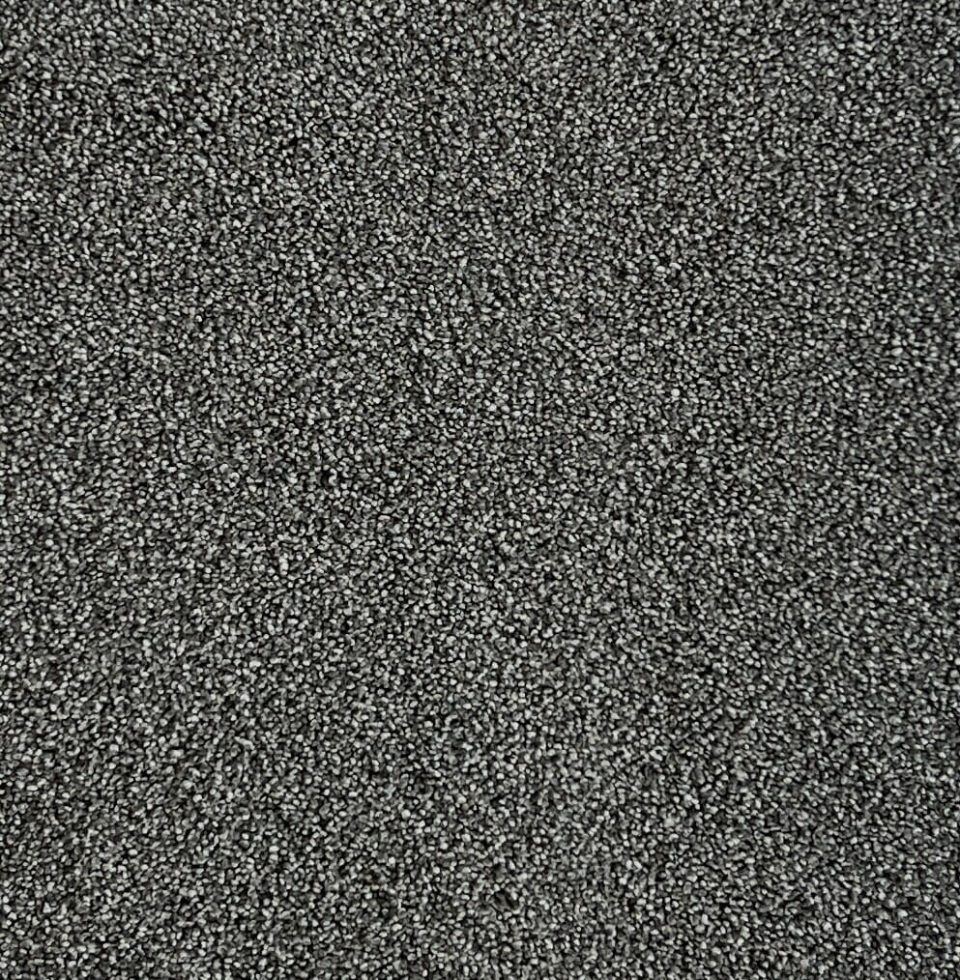
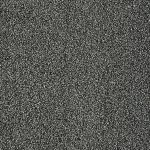
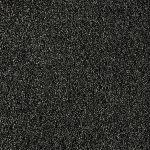
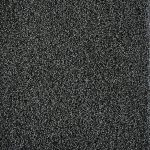
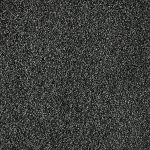
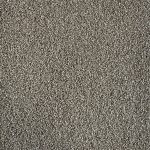
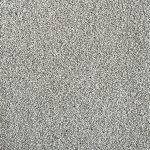
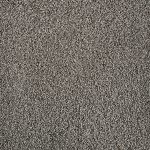
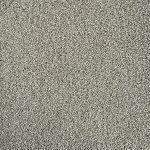
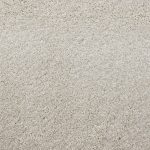
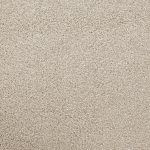
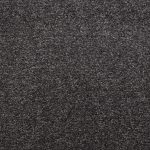
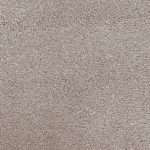
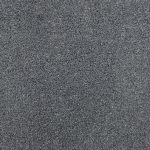
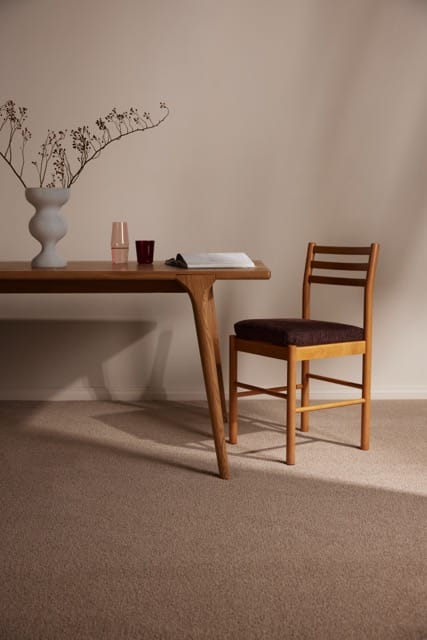
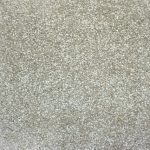
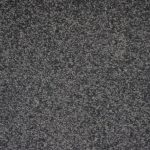
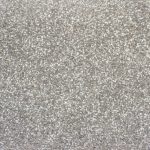
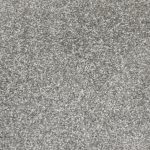
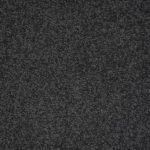
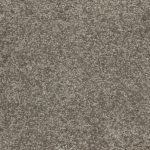
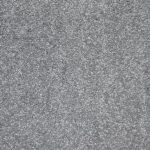
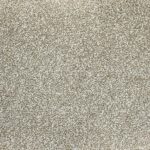
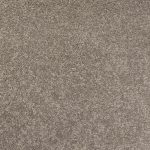
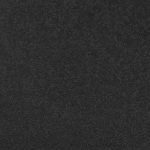
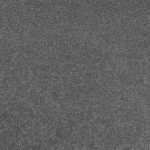
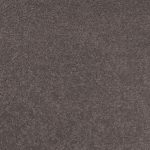
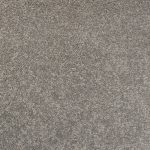
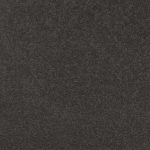
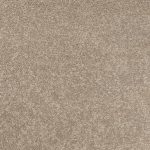
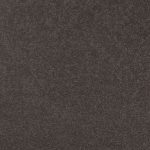
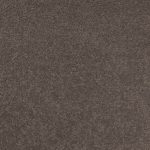
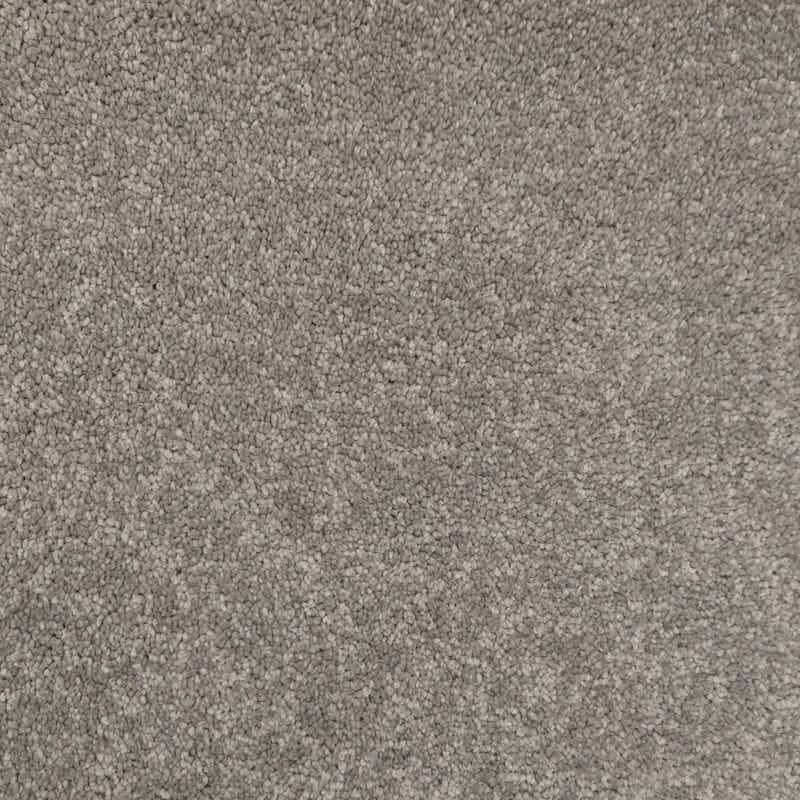
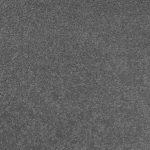
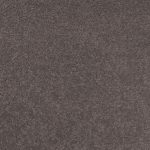
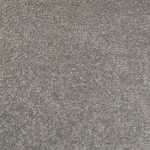
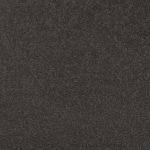
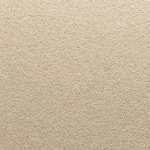
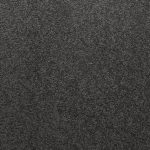
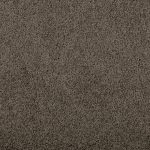
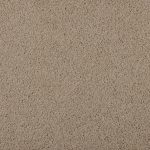
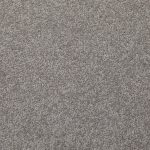
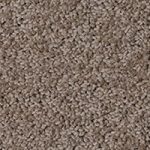
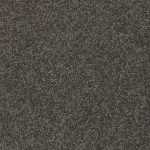
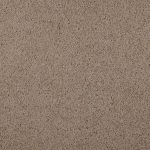
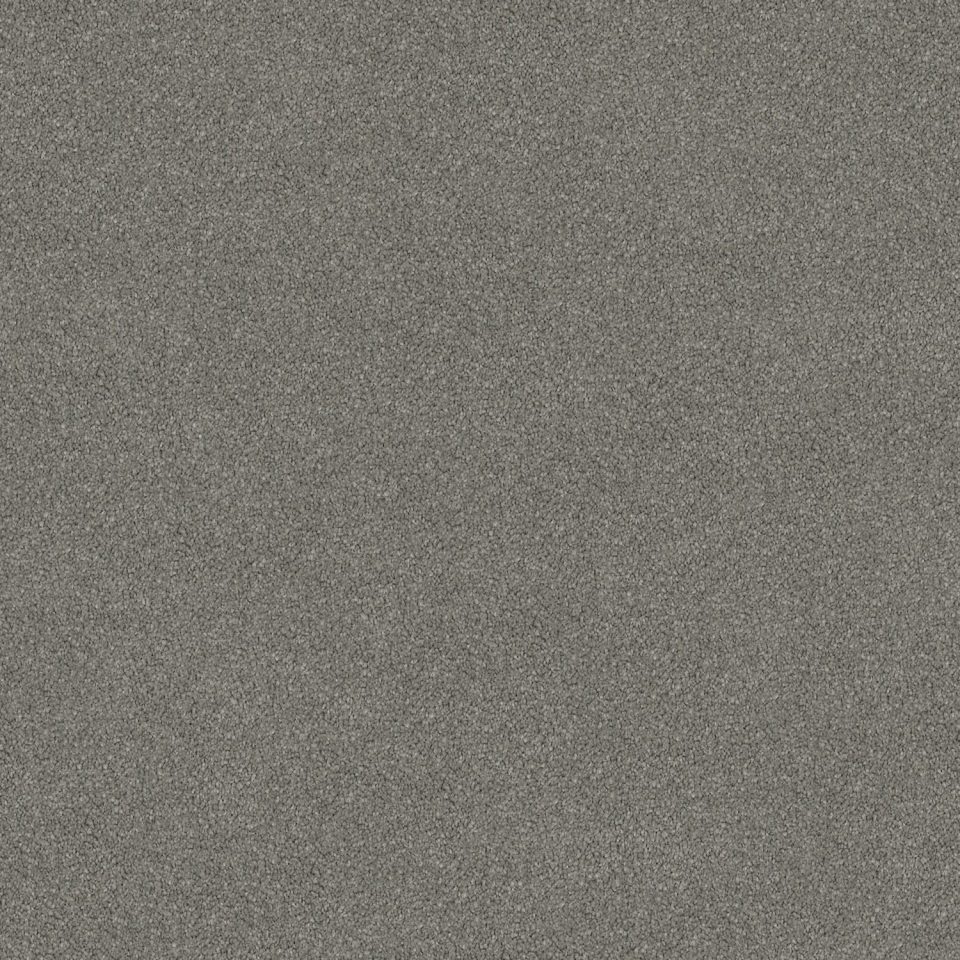
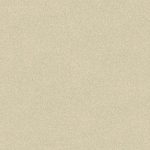
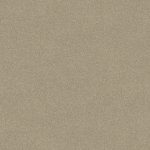
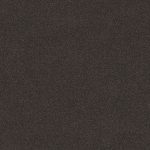
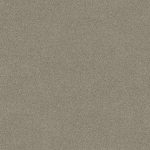
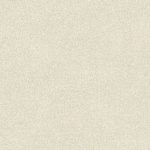
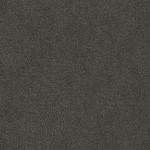
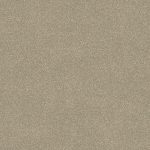
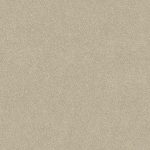
Free In-Home Measure & Quote
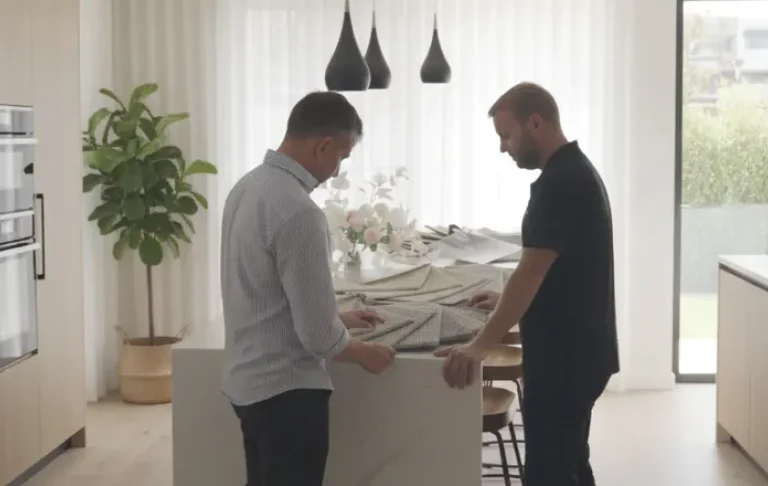
Booking your free measure and quote couldn’t be easier. With real-time online availability, you can choose a time that suits you in just minutes. Our friendly flooring experts bring the showroom to you, with samples to compare in the comfort of your own home. No pressure, no obligation, just advice you can trust.

Marie Dewhurst
Love my new flooring. The lovely men who laid the flooring were extremely hard working and thorough. Thank you to Johnie, Austin and Zane. Great quality. Would definitely recommend this...
Read More
Ray Turner
I am pleased to recommend Beare flooring after what I consider to be an excellent job of laying my hybrid timber floors. My project had quite a few challenges such...
Read More
Sally Baker
From our initial call to Beare Flooring to the final laying of our amazing new carpet, it has been a professional and easy purchase. The whole team are friendly, knowledgeable...
Read More
Debora Smart
Really excellent at home service with this company from start to finish. Anne was a delight to work with. Great communication and timeliness....
Read More
Tracey Hu
Had Luke replaced the carpet and installed slip strips for two of our stairwells. Had to delay as strips stock shortage but the job was done beautifully and professionally! The...
Read More
Jiro T
We had a problem, but Alex solved it and he finished the carpet very nicely. I will definitely recommend. Thank you Stephen, Alex and Beare Flooring!!...
Read More
Marlene Scicluna
Our experience with Team Beare was simply exceptional! We had our carpet replaced with Aquastone flooring & we couldn’t be happier! Nick’s recommendations based on our decor made our home...
Read More
Kylie Leeden
We recently had over 100 square meters of Aqua stone hybrid flooring laid. Stephen from Beare flooring was so easy to deal with and recommended the best product for our...
Read MoreJordan Kidas
Working with William and his team was a fantastic experience. They were incredibly easy to collaborate with, offering the best pricing and making the entire process smooth and enjoyable....
Read More
Mitchl
They were a friendly team who provided an excellent finished product at a competitive price. I would recommend them to anyone wanting to replace their floor. They had a wide...
Read MoreCut pile carpet is the soft one. The loops that form a carpet are sheared open, so your feet rest on the yarn ends themselves rather than on rounded loops, and that single manufacturing decision is why cut pile is the most popular carpet construction in Australian homes.
It is also a family rather than a single style. Twist, textured, plush and velvet carpets are all cut piles, each shaped by how the yarn is twisted and finished after shearing, and our range concentrates on the twist and textured styles built for real family homes.
This guide explains how cut pile works, the styles within the family and how to choose between them, where cut pile belongs in a home, and how to care for it, so the carpet you fall for is also the one that suits your rooms.
What Is Cut Pile Carpet?
Every tufted carpet starts life as loops of yarn stitched through a backing. Leave the loops intact and you have loop pile. Shear them open at the top and you have cut pile: a surface of exposed yarn ends standing upright like a mown lawn.
Opening the loops transforms how the carpet feels and behaves. The exposed ends are softer against skin, the surface reads more luxuriantly deep, and light plays across it rather than bouncing off rounded loops. It is the difference between touching the side of a rope and touching its brushed, open end.
That softness made cut pile the default choice for the rooms where comfort matters most, and manufacturers responded by developing it into distinct styles.
The Cut Pile Family
Three broad styles cover most of what you will see:
- Plush and velvet. Yarns sheared to one smooth, even height with minimal twist. Formal and uniform, but it shows shading and every footprint, and it suits display homes better than busy ones. It has its place, but the more forgiving styles below are where most Australian homes land.
- Twist. Yarns twisted tightly and heat-set before shearing, so the surface looks textured and relaxed. The twist springs back from feet and furniture, making it the practical family-room choice. Our twist pile carpet page covers the style in full.
- Textured cut. Yarns kinked or varied in the finishing so the surface carries deliberate texture and flecks of tone, disguising everyday marks between vacuums.
The construction is the same across all three; the finishing decides the personality. Ours concentrates on twist and textured styles, the two that stay relaxed and forgiving while real life happens on top of them.
Cut Pile Vs Loop Pile
The other side of the family tree is loop pile, where the loops stay closed. The practical differences are easy to feel:
- Softness. Cut pile is softer underfoot; loops feel firmer and more tailored.
- Marks. Loops hide vacuum tracks and footprints almost completely; smooth cut piles display them, twists disguise them.
- Wear. Both wear well when dense; loops carry an edge in extreme traffic, which is why offices choose them.
- Feel of the room. Cut pile reads warm and comfortable; loop reads crisp and architectural.
Homes that want one carpet throughout usually land on a quality twist: soft enough for bedrooms, forgiving enough for hallways.
Fibres In Cut Pile Carpet
The same cut pile construction feels and performs differently depending on the yarn it is made from. Solution dyed nylon locks its colour into the fibre itself, bringing strong stain and fade resistance for busy households. Soft polyesters bring a deep, gentle feel and suit quieter rooms. Wool brings natural warmth, resilience and insulation, and remains the benchmark the synthetics measure themselves against.
Fibre choice moves the price more than the style does, which is worth knowing before you compare two carpets that look similar on a sample board.
Where Cut Pile Works Well
Cut pile belongs wherever bare feet and comfort lead the brief:
- Bedrooms, where its softness is felt every morning and evening.
- Living and family rooms, where a twist or textured cut takes daily life in its stride.
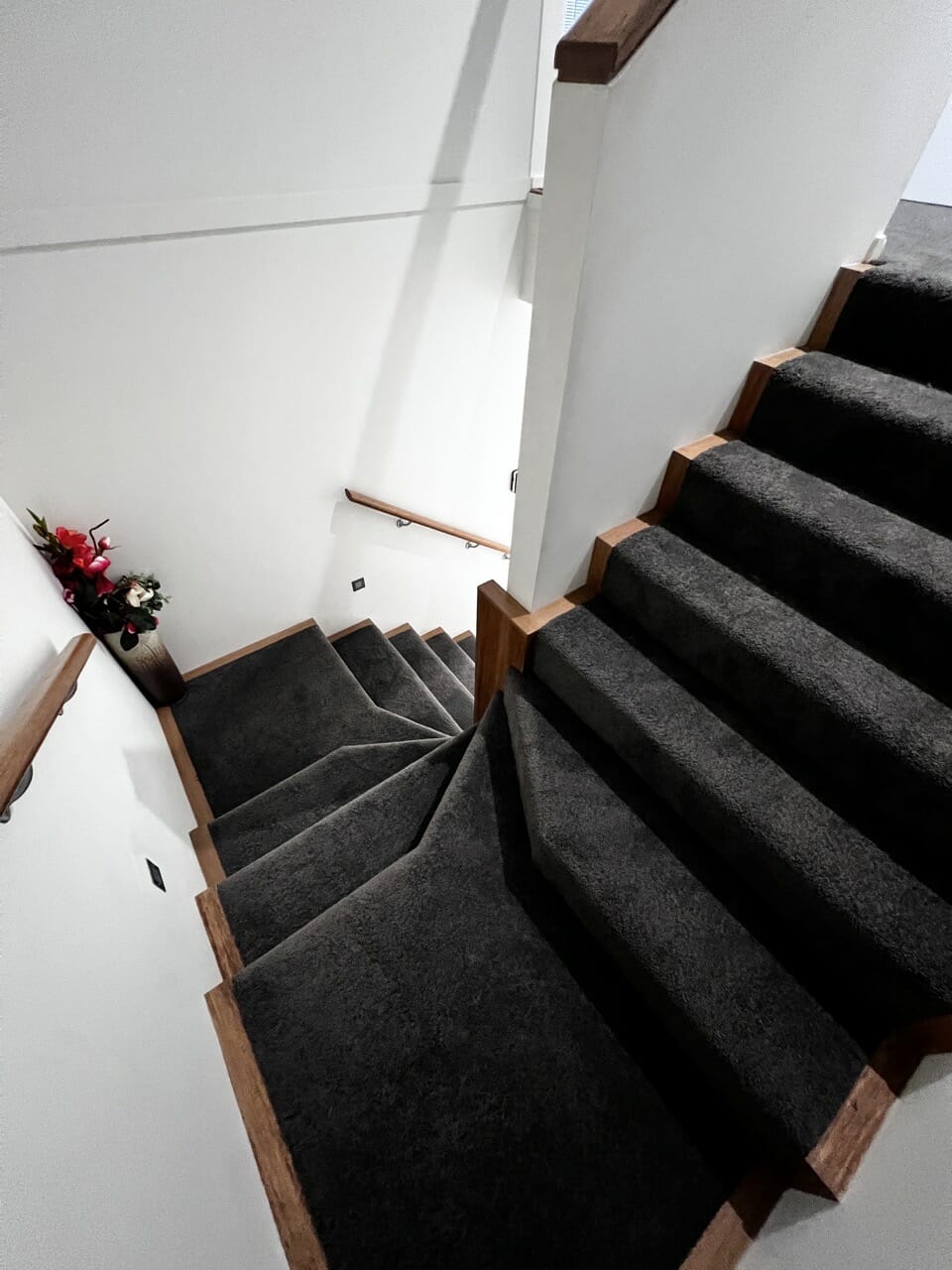
- Stairs and hallways, with a dense, stairs-rated twist built for the workload.
The style-to-room match matters more than the label: textured cut where you want depth and calm, twist wherever the household actually lives.
Choosing Cut Pile Carpet
A few checks sort the contenders quickly:
- Bend the sample. Fold it backwards; the less backing you see through the pile, the denser and better-wearing the carpet.
- Match twist to traffic. More twist means more spring-back and fewer visible marks; smoother means more formal and more revealing.
- Be honest about shading. Smooth piles develop watermark-style shading over time; it is a trait of the style, not a defect. If it would bother you, choose texture.
- Think in fibres. Solution dyed nylon for stain-prone households, polyester softness for quiet rooms, wool for natural performance.
- Check the grading. Residential duty ratings and stairs approval tell you where a carpet is built to live.
Then trust your feet. Carpets that specify identically can feel entirely different, and the difference is the point.
Caring For Cut Pile Carpet
Regular vacuuming with good suction keeps the pile standing and the grit out; adjust the head height so the machine glides rather than digs. Attend to spills promptly by blotting rather than rubbing. Mats at entrances and the occasional furniture shuffle spread wear evenly.
Twist and textured owners barely need a technique: the surface shrugs off tracks and footprints between vacuums, which is much of their appeal.
Professional cleaning every year or two refreshes the pile and is a condition of many warranties, so keep the receipts.
Colour, Tone And Light
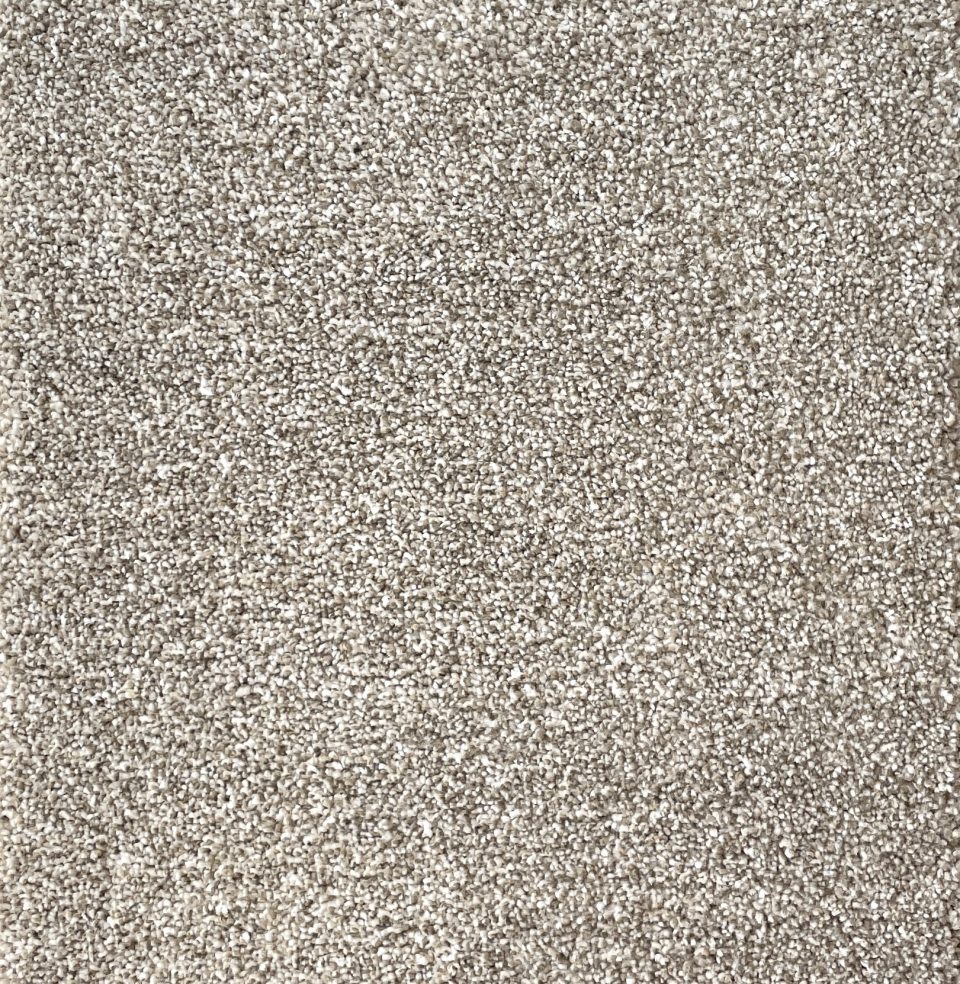
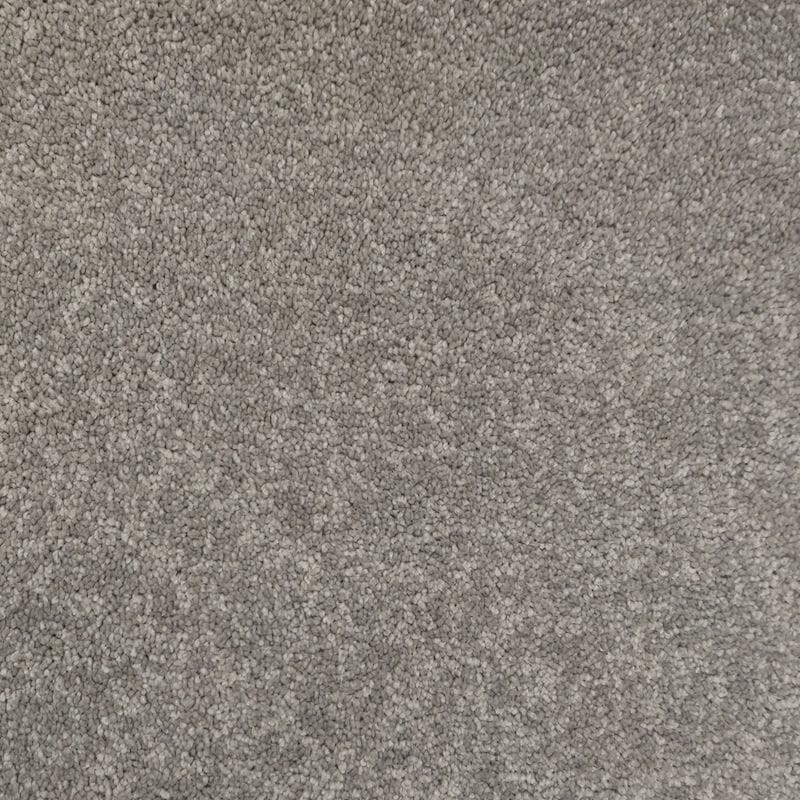
Cut pile shows colour differently from any other floor. Because the yarn ends face upward, the surface shifts subtly as light moves through the day and as feet brush the pile, reading a shade deeper from one angle than another. It is part of the pleasure of the style.
Lighter tones open a room up and show more of that movement; deeper tones draw a room in and hide more. Flecked and multi-tonal yarns, common in twists, are the practical middle ground: they add depth while quietly disguising everyday life between vacuums.
Whatever the sample board suggests, colour belongs to the room it will live in, which is exactly why the samples come to you.
Cut Pile Carpet Cost Drivers
Cut pile spans the whole carpet market, and a few factors set where a specific choice lands:
- Fibre. The biggest lever: polyester, solution dyed nylon and wool sit at different points, with blends between.
- Density and weight. More yarn per square metre costs more and wears better.
- Style and finish. Denser, more precisely finished piles cost more to make than relaxed twists.
- Underlay. The unseen half of how a carpet feels; quality here flatters everything above it.
- Installation. Room shapes, stairs and joins add work, and preparation is priced per job.
A written in-home quote settles it accurately, because the rooms decide as much as the carpet does.
Feel The Difference At Home
Product specifications, warranties and care requirements vary between manufacturers and ranges. Always confirm the details of a specific product, and follow the manufacturer's installation and care instructions, before making a final decision.
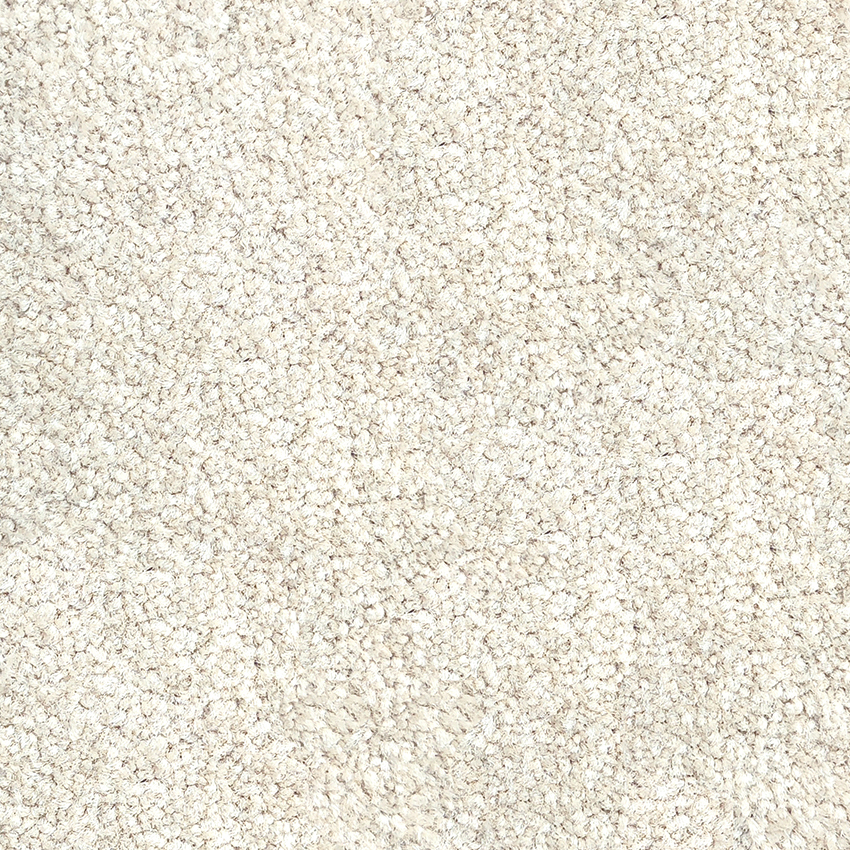
Softness is not a photograph's strong suit. Our mobile showrooms bring the cut pile styles into your home, where you can close your eyes, feel each texture underfoot, and know instantly which one your feet have been voting for.
Book a free measure and quote and we will bring the range to you, with honest advice on style, fibre and grading for the way your home actually lives.
Frequently Asked Questions
What Is Cut Pile Carpet?
Cut pile carpet is made by shearing the tops off the carpet's loops, so you walk on the soft, exposed ends of the yarn rather than the loops themselves. It is the most popular carpet construction in Australian homes because of that softness.
What Is The Difference Between Cut Pile And Loop Pile Carpet?
Cut pile has its loops sheared open, giving a softer, more velvety surface. Loop pile leaves the loops intact, giving a firmer, more textured floor that hides tracks well. Cut pile is usually chosen for comfort, loop pile for a tailored look and heavy traffic.
What Is Plush Carpet?
Plush, sometimes called velvet cut pile, shears every yarn to the same smooth height with minimal twist. The result is an even, formal surface that shows light beautifully, along with every footprint. Most homes choose a twist or textured cut pile instead for similar comfort with far more forgiveness, and that is where our range concentrates.
What Is Twist Pile Carpet?
Twist pile is cut pile whose yarns are twisted tightly and heat-set, so the surface looks textured and relaxed rather than smooth. The twist makes it more forgiving of footprints and furniture marks, which is why it suits busy family rooms.
Does Cut Pile Carpet Show Footprints?
The smoother the cut pile, the more it shows. Plush and velvet styles show footprints and vacuum tracks as part of their look. Twist and textured cut piles disguise them well. If tracking would bother you, choose a twist style or a darker, flecked colour, which is exactly where our range concentrates.
Is Cut Pile Carpet Good For Bedrooms?
It is the classic bedroom choice. Bedrooms are barefoot rooms with gentle traffic, which lets you enjoy cut pile's softness at its fullest, and quieter tones in a twist or textured style make the whole room feel calmer and warmer.
Does Cut Pile Carpet Work On Stairs?
Yes, with the right construction. Stairs are the hardest-working carpet in the house, so look for a dense, well-twisted cut pile with a stairs-rated grading. Density matters more than height: a shorter, denser pile wears far better on stair edges.
How Should I Vacuum Cut Pile Carpet?
Vacuum regularly with good suction. Adjustable-height heads work well, and gentler settings protect softer, longer piles. Twist and textured styles barely show tracks, so there is no technique to master.
Which Fibres Does Cut Pile Carpet Come In?
All the major fibres. Solution dyed nylon brings stain and fade resistance, soft polyesters bring a deeper, gentler feel at a friendlier price point, and wool brings natural warmth and resilience. The same cut pile construction feels different in each.
Is Cut Pile Carpet More Expensive Than Loop Pile?
Not inherently. Price is driven more by fibre, density and weight than by whether the pile is cut or looped. Within cut pile, a dense wool sits well above a light polyester, so the fibre and specification decide the price more than the cut.