Herringbone & Chevron Timber Flooring
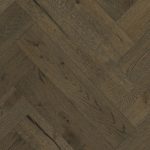
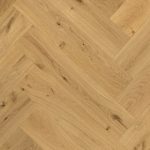
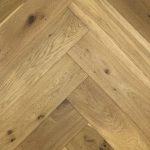
Herringbone and chevron floors turn the ground beneath you into the thing guests comment on: timber laid in patterns that have dressed beautiful homes for centuries. Our range covers both patterns in real oak and Australian species. Compare them side by side in your own home, with a free measure and quote as part of the visit.
Lifetime Install Guarantee
Mobile Showrooms
Award Winners
- See Flooring In Your Own Home
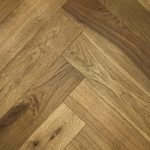
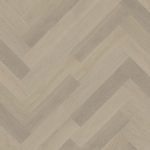
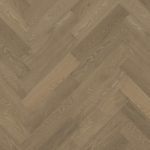
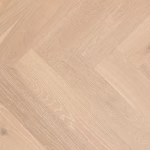
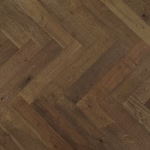
- Adore Collection Herringbone
 Plank Size: 14mm thick, 840mm long, 120mm wide Price: $$$ Luxurious
 6
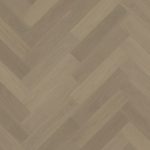
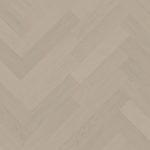
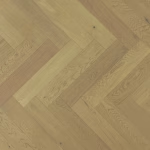
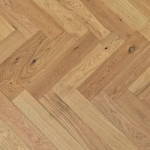
6 - Australian Native Herringbone
 Plank Size: 13.5mm thick, 600mm long, 120mm widePrice: $$$ Luxurious5
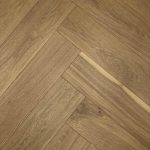
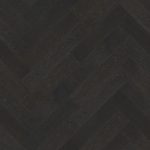
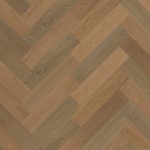
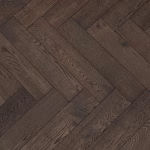
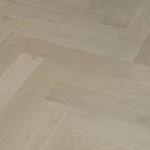
 - Corsica Herringbone
 Plank Size: 14mm thick, 600mm long, 125mm widePrice: $$$ Luxurious4
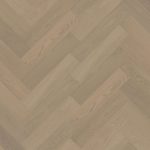
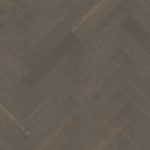
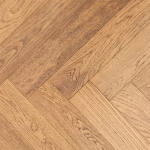
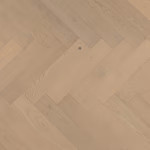
 - French Oak Parquet
 Plank Size: 14mm thick, 750mm long, 150mm widePrice: $$$ Luxurious5
 - H ParquetryPlank Size: 14mm thick, 750mm long, 150mm widePrice: $$$ Luxurious9
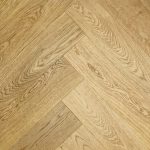
- iDesign Herringbone
 Plank Size: 15mm thick, 600mm long, 125mm widePrice: $$$ Luxurious10
 - Maison Oak HerringbonePlank Size: 15/4mm thick, 750mm long, 150mm widePrice: $$$ Luxurious10
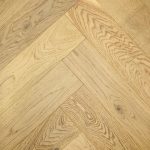
- Timeless Oak Herringbone
 Plank Size: 14/2mm thick, 600mm long, 120mm wide Price: $$$ Luxurious13
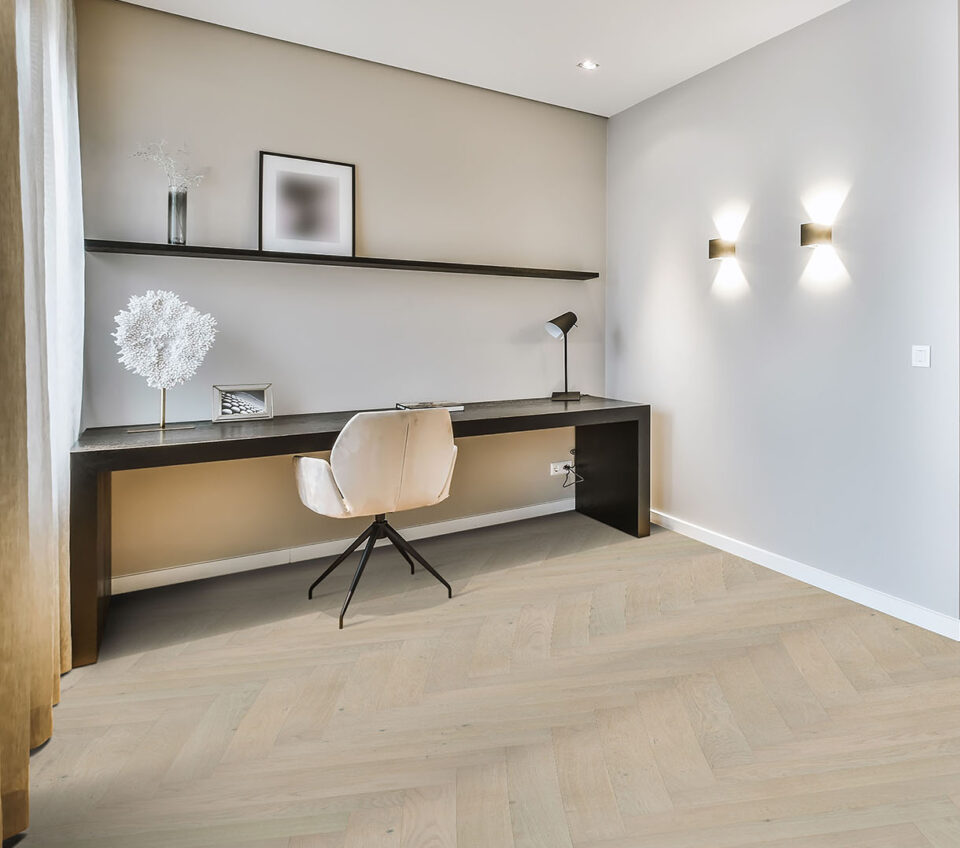
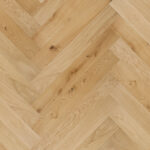
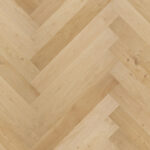
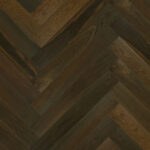
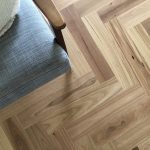
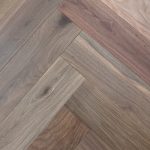
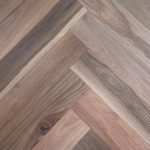
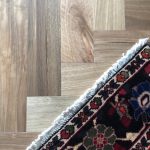
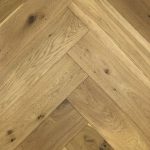
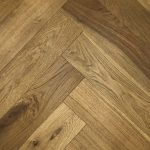
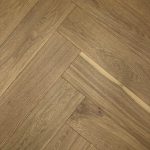
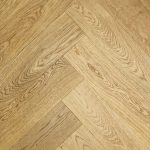
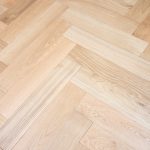
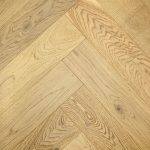
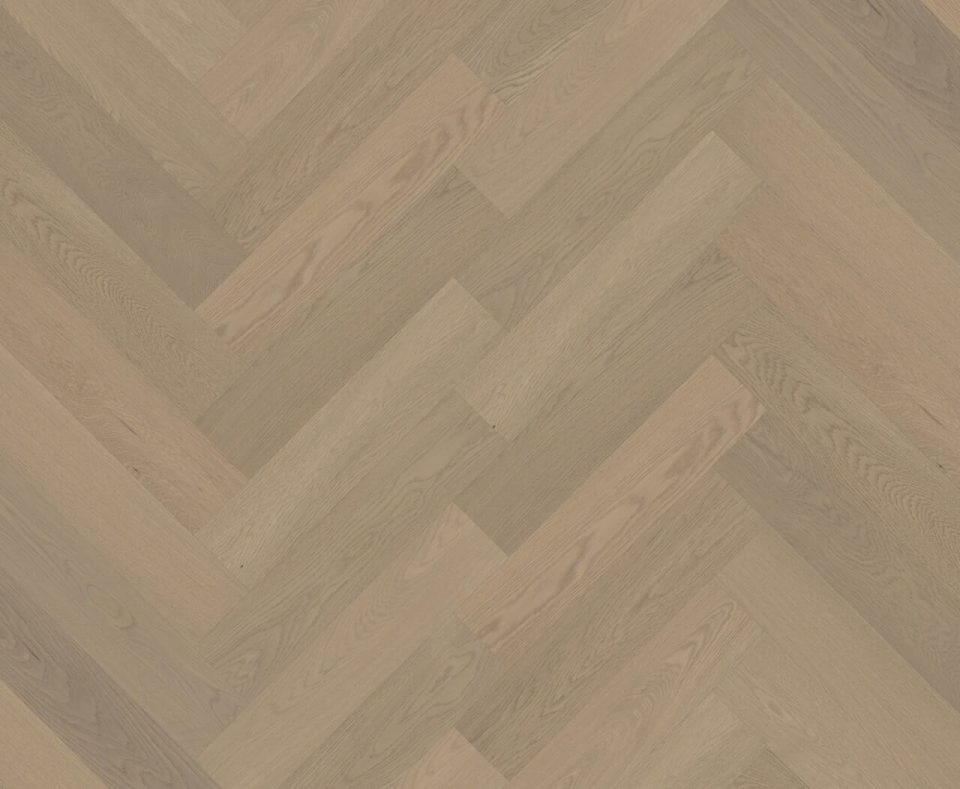
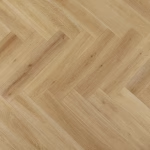
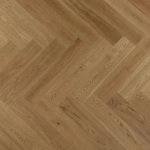
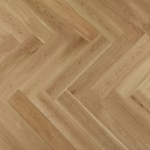
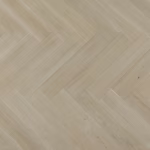

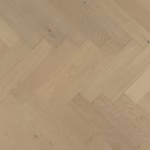
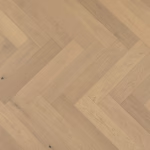
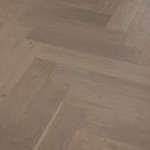
Free In-Home Measure & Quote
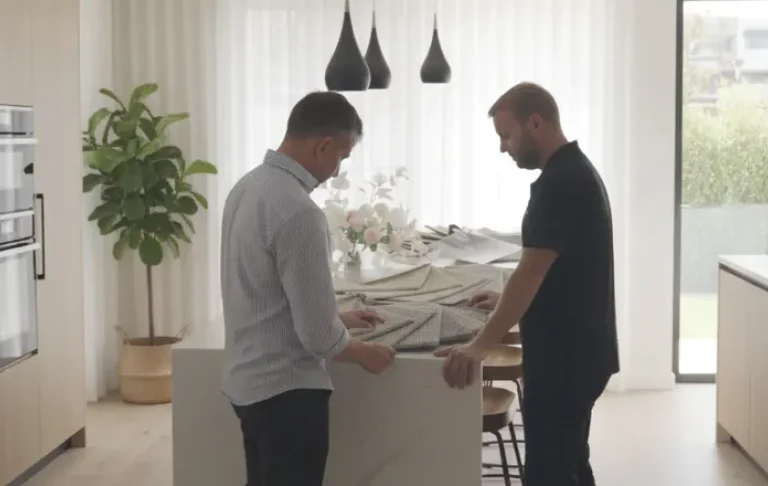
Booking your free measure and quote couldn’t be easier. With real-time online availability, you can choose a time that suits you in just minutes. Our friendly flooring experts bring the showroom to you, with samples to compare in the comfort of your own home. No pressure, no obligation, just advice you can trust.

Marie Dewhurst
Love my new flooring. The lovely men who laid the flooring were extremely hard working and thorough. Thank you to Johnie, Austin and Zane. Great quality. Would definitely recommend this...
Read More
Ray Turner
I am pleased to recommend Beare flooring after what I consider to be an excellent job of laying my hybrid timber floors. My project had quite a few challenges such...
Read More
Sally Baker
From our initial call to Beare Flooring to the final laying of our amazing new carpet, it has been a professional and easy purchase. The whole team are friendly, knowledgeable...
Read More
Debora Smart
Really excellent at home service with this company from start to finish. Anne was a delight to work with. Great communication and timeliness....
Read More
Tracey Hu
Had Luke replaced the carpet and installed slip strips for two of our stairwells. Had to delay as strips stock shortage but the job was done beautifully and professionally! The...
Read More
Jiro T
We had a problem, but Alex solved it and he finished the carpet very nicely. I will definitely recommend. Thank you Stephen, Alex and Beare Flooring!!...
Read More
Marlene Scicluna
Our experience with Team Beare was simply exceptional! We had our carpet replaced with Aquastone flooring & we couldn’t be happier! Nick’s recommendations based on our decor made our home...
Read More
Kylie Leeden
We recently had over 100 square meters of Aqua stone hybrid flooring laid. Stephen from Beare flooring was so easy to deal with and recommended the best product for our...
Read MoreJordan Kidas
Working with William and his team was a fantastic experience. They were incredibly easy to collaborate with, offering the best pricing and making the entire process smooth and enjoyable....
Read More
Mitchl
They were a friendly team who provided an excellent finished product at a competitive price. I would recommend them to anyone wanting to replace their floor. They had a wide...
Read MoreTable of contents
Herringbone and chevron timber flooring turn the floor from a background surface into the feature that defines the room. Both patterns lay short engineered oak boards at angles instead of long straight rows, adding rhythm and depth that plank floors cannot offer.
The two styles are close cousins and often shopped together, yet they are laid differently, look different up close, and set a different mood. Herringbone reads as a woven, textural surface. Chevron reads as crisp arrows pointing down the room.
This guide explains how each pattern works, how engineered construction makes them practical in Australian homes, what laying involves, what they cost more on, and how to care for the finished floor, so you can choose with confidence.
What Is Herringbone Timber Flooring?
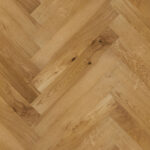
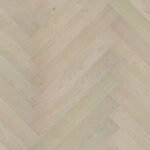
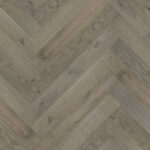
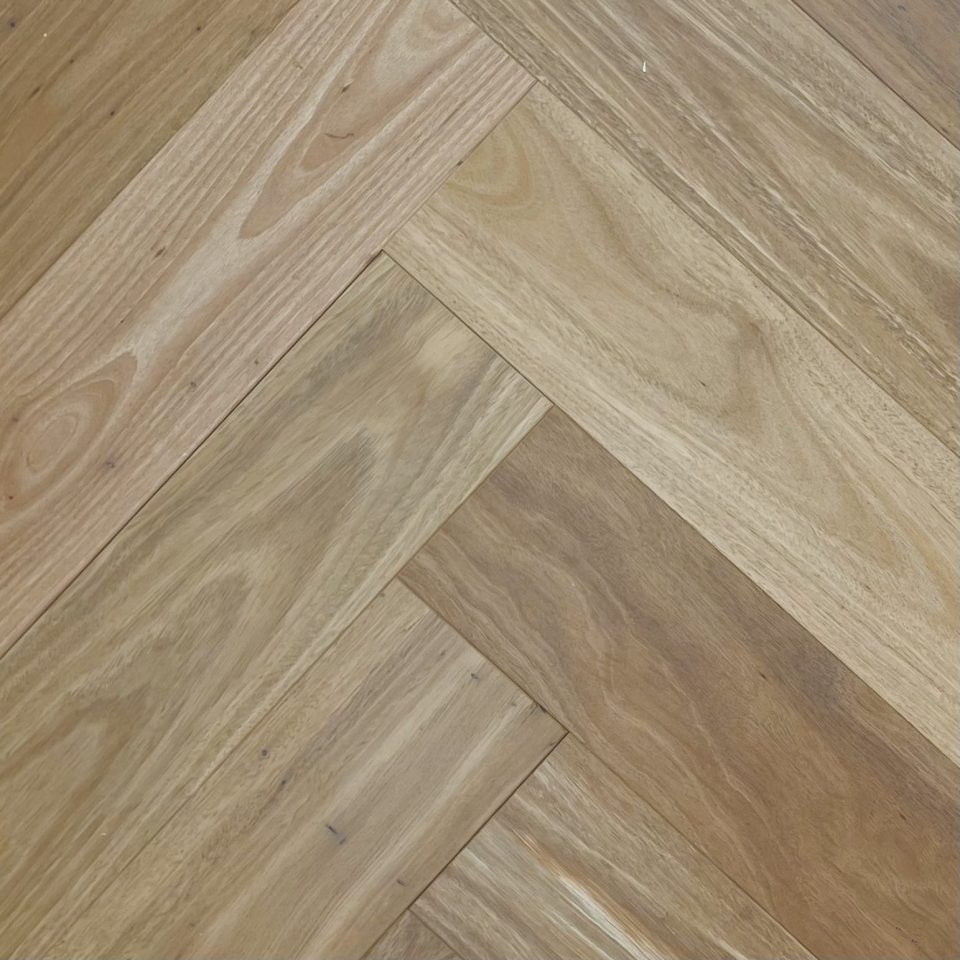
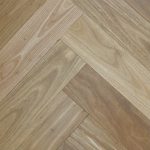
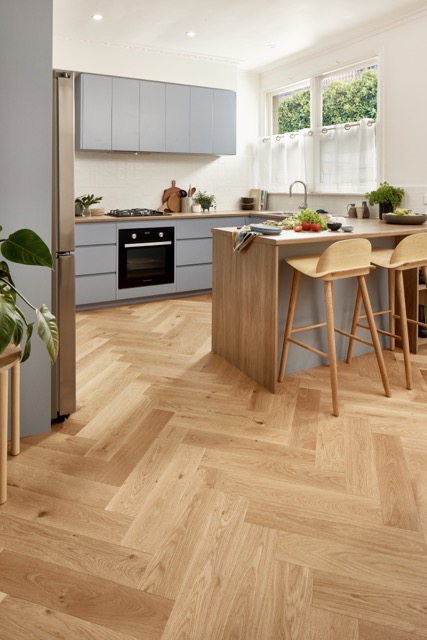
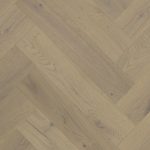
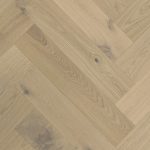
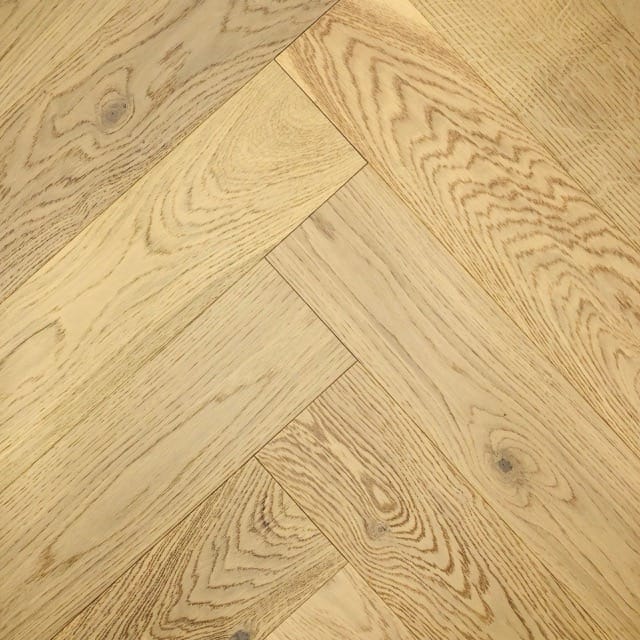
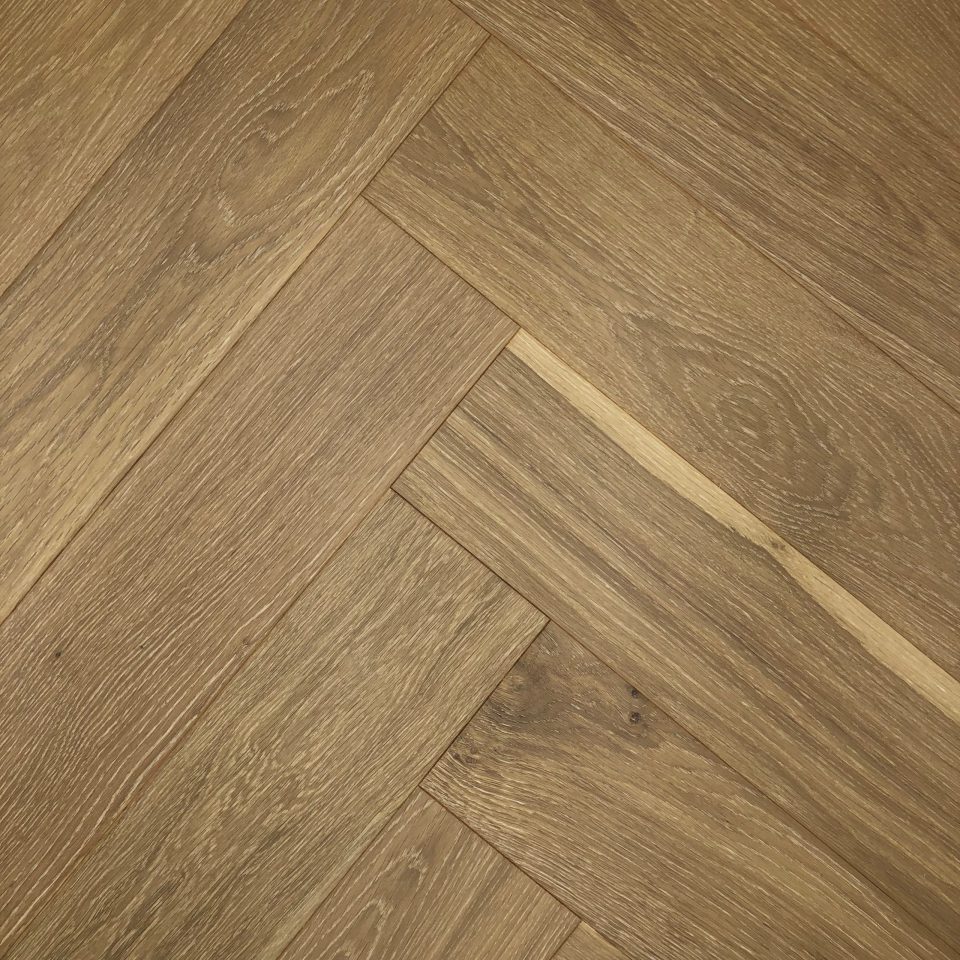
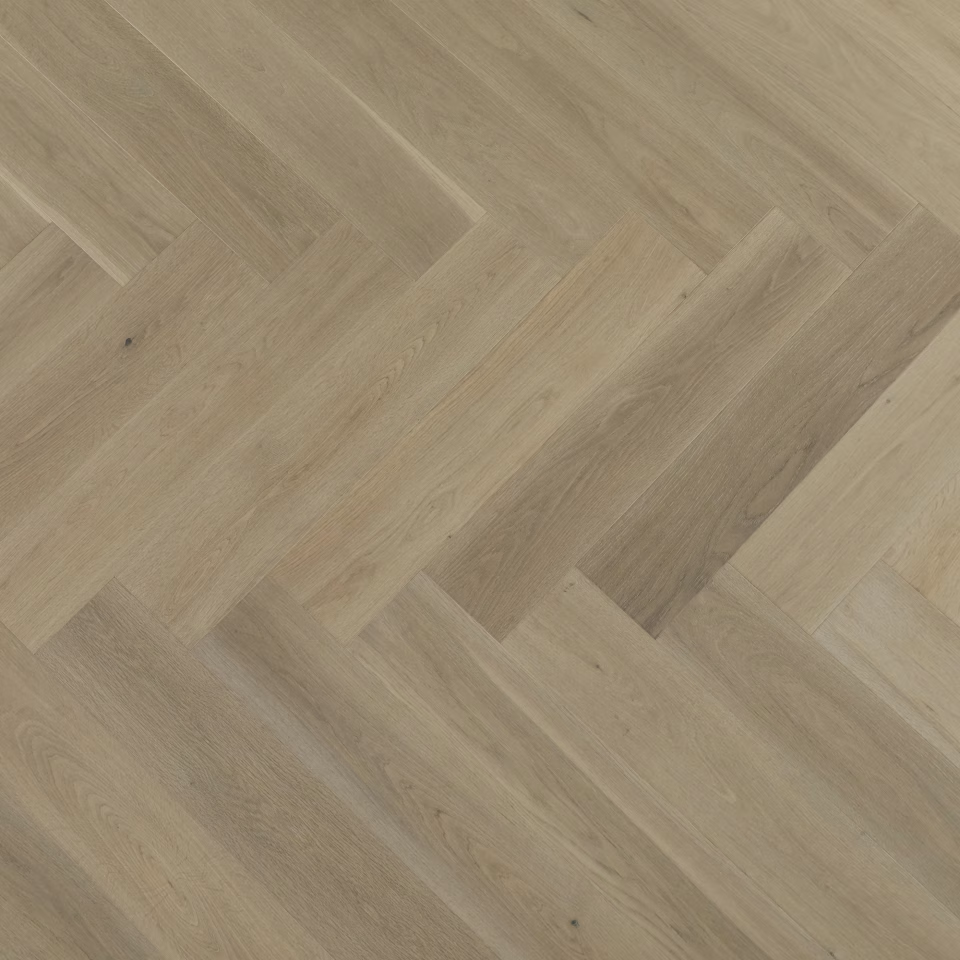
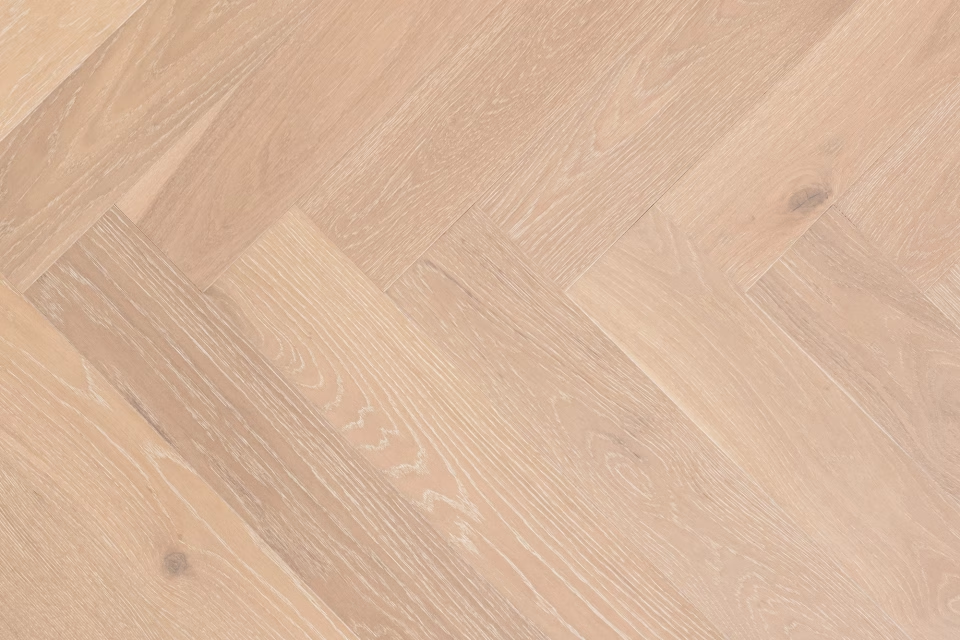
Herringbone is built from identical rectangular blocks. Each block sits at a right angle to its neighbour, with the end of one board meeting the side of the next, so the joints stagger and the surface forms a broken zigzag. The name comes from the skeleton of the herring fish, which the pattern resembles.
The idea is ancient. Roman engineers packed angled stones into their roads because interlocking them spread weight in every direction, and the same geometry later moved indoors as timber parquet across European homes and grand apartments. That heritage is part of the appeal: a herringbone floor carries centuries of association with considered, well-made interiors.
Modern herringbone is almost always engineered oak rather than solid parquet block, which keeps the classic look while adding the stability modern homes need.
What Is Chevron Timber Flooring?
Chevron uses boards cut at an angle, usually 45 or 60 degrees, so each pair meets in a clean point. Instead of herringbone's staggered weave, chevron forms continuous V shapes that run in unbroken lines down the room, like a column of arrows.
The style is sometimes called point de Hongrie, or Hungarian point, and it became a signature of French interiors. Because every board end is mitred to meet its partner exactly, chevron rewards precise manufacturing and careful laying, and the result is noticeably tailored: crisp, directional and formal.
Chevron tends to feel more contemporary than herringbone when laid in wide boards and lighter tones, which is why it appears so often in modern open-plan builds.
Herringbone Vs Chevron: Choosing Between Them
Side by side, the differences are easy to spot once you know where to look:
- Geometry. Herringbone blocks are square-ended and overlap in a stagger. Chevron boards are angle-cut and meet in a continuous point.
- Character. Herringbone reads as texture and weave, warmer and more traditional. Chevron reads as line and direction, sharper and more formal.
- Forgiveness. Herringbone's staggered joints are more tolerant of tiny variations. Chevron's meeting points showcase precision, and demand it.
- Choice. Herringbone is the more common format, so it usually offers a wider selection of tones and block sizes. Chevron ranges are fewer and more curated.
Neither pattern is the wrong answer. Chevron suits rooms where you want a strong sense of direction and polish. Herringbone suits rooms where you want warmth and detail that reveals itself gradually. Seeing both patterns in your own light is the quickest way to settle it.
How Engineered Pattern Floors Are Made
Nearly all herringbone and chevron timber sold today is engineered: a real hardwood wear layer bonded to a multi-ply core. The core resists the swelling and shrinking that solid timber blocks are prone to, which matters even more in a pattern floor because hundreds of small pieces meet at angles, and every joint is a place movement could show.
Boards arrive pre-finished with hard-wearing coatings, so there is no sanding or coating on site. Some ranges supply individual blocks that the installer builds into the pattern piece by piece; others supply pre-assembled panels with the pattern already formed, which speeds laying while keeping the same finished look.
Wear layer thickness varies between ranges, and thicker wear layers can typically be re-sanded down the track, extending the life of the floor. Our engineered timber flooring page covers that construction in more depth.
Species, Tones And Block Sizes
European oak dominates the category for good reason: its open grain suits the pattern, it takes colour treatments evenly, and it spans everything from pale limewashed and natural tones through to smoked and deep chocolate finishes. Australian native species bring distinctive local grain and warmth to the pattern as well.
Block size changes the personality of the same pattern. Smaller blocks create a busier, more intricate surface that suits period detail. Longer, wider blocks calm the pattern down and feel more contemporary. As a guide, larger rooms can carry larger blocks, while compact rooms often look sharpest with a finer-scale pattern.
Matt and ultra-matt finishes are the current preference, letting the geometry provide the drama while the surface stays natural and easy to live with.
Where These Patterns Work Well
Herringbone and chevron earn their keep in the rooms people see and use most:
- Entries and hallways, where the pattern's direction draws visitors naturally into the home.
- Living and dining rooms, where a patterned floor anchors furniture and adds interest without extra decoration.
- Bedrooms, where a softer-toned herringbone brings warmth and quiet detail.
Direction matters. Laying the pattern towards the main light source, or down the long axis of a space, lengthens and widens how the room reads. Both patterns also pair well with plain plank flooring: a patterned entry or living zone bordered by straight boards elsewhere is a classic way to feature the pattern without carrying its cost through the whole floor.
Timber of any pattern is not the right answer for wet areas, and small utility spaces rarely repay the extra work. Keep the pattern for the rooms that show it off.
What Laying Pattern Timber Involves
Pattern floors are set out before they are laid. The installer establishes a centreline so the pattern lands symmetrically in the room, dry-lays the first runs to prove the geometry, and only then fixes boards down. Direct-stick installation over a flat, properly prepared subfloor is the standard approach for patterned timber because it locks every angled joint in place.
Expect more cutting and more offcuts than a plank floor: allow roughly 10 to 15 percent extra material for the pattern, against around 5 percent for straight planks. Border details, thresholds and stairs add further time and skill. It is slower, more exacting work than plank installation, and it is the main reason the same timber costs more as a pattern than as boards.
Caring For A Patterned Timber Floor
A herringbone or chevron floor asks for the same care as any quality engineered timber flooring. Mats at entrances catch grit before it travels, felt pads under furniture prevent scratches, and spills are wiped promptly rather than left to sit. Vacuum or sweep regularly, damp-mop with a recommended timber cleaner, and avoid steam mops, which force moisture into joints.
Keep indoor conditions moderate through the seasons, as long stretches of very dry or very humid air move timber. If the floor dulls after many years, ranges with a sufficient wear layer can be professionally re-sanded and refinished rather than replaced.
If you love the geometry but need it somewhere moisture rules timber out, herringbone hybrid flooring lays the same pattern over a fully waterproof core with click installation, and is well worth comparing alongside timber samples.
Herringbone And Chevron Cost Drivers
Patterned timber sits above plank flooring of the same species, and several factors set where a particular floor lands:
- Format. Individual blocks take longer to lay than pre-assembled pattern panels.
- Wear layer and construction. Thicker hardwood wear layers and denser cores cost more and last longer.
- Species and grade. Character-grade oak, native species and specialty colour treatments price differently.
- Waste allowance. The 10 to 15 percent pattern allowance is real material and belongs in the comparison.
- Subfloor preparation. Pattern floors need flat subfloors, and levelling work is priced per job.
- Layout complexity. Borders, multiple rooms, stairs and direction changes all add laying time.
A written in-home quote is the only accurate way to price a pattern floor, because the room itself decides so much of the work.
See The Patterns In Your Own Home
Product specifications, warranties and care requirements vary between manufacturers and ranges. Always confirm the details of a specific product, and follow the manufacturer's installation and care instructions, before making a final decision.
Photographs flatter pattern floors, but they cannot tell you how an oak tone sits against your walls at dusk. Our mobile showrooms bring herringbone and chevron samples into your home, so you can lay them out in your own light, against your own furniture, and compare the two patterns side by side.
To see the boards behind the patterns, browse the full timber flooring range.
Book a free measure and quote and we will bring the range to you, measure accurately for the pattern's allowance, and give you a written price with no obligation.
Frequently Asked Questions
What Is The Difference Between Herringbone And Chevron Flooring?
Herringbone uses rectangular, square-ended blocks laid at right angles so the joints stagger into a woven zigzag. Chevron uses boards cut at an angle so each pair meets in a continuous point, forming unbroken V shapes down the room.
Is Herringbone Timber Flooring More Expensive Than Plank Flooring?
Laid in the same timber, yes. The pattern uses more pieces, more cutting and around 10 to 15 percent material waste, and it takes longer to install. The timber itself costs the same; the pattern adds the labour and the allowance.
Does A Herringbone Floor Make A Room Look Bigger Or Smaller?
Laid with intent, it enlarges. Running the pattern towards the main light source or down a room's long axis lengthens and widens how the space reads, and lighter tones amplify the effect. In compact rooms, a smaller block keeps the pattern in scale.
Can Engineered Herringbone Flooring Be Re-Sanded?
Ranges with a sufficiently thick hardwood wear layer can usually be professionally re-sanded and refinished at least once. Wear layer thickness varies between ranges, so check the specification of the floor you choose.
How Much Extra Timber Should I Allow For Herringbone Or Chevron?
Allow roughly 10 to 15 percent above the measured area, compared with about 5 percent for straight planks. Angled cuts at walls and borders generate offcuts that cannot be reused. Your measure and quote confirms the exact allowance for your rooms.
Is Herringbone Flooring Going Out Of Style?
Unlikely. The pattern has been laid for centuries and predates every current trend. It moves in and out of the spotlight, but it has never read as dated, which is a large part of why people choose it.
Can Herringbone Timber Be Installed As A Floating Floor?
Most patterned timber is glued down, because direct-stick installation locks the many angled joints in place. Some pre-assembled panel systems support floating installation. Confirm the approved methods for the specific range before planning your install.
Does Chevron Flooring Suit Modern Homes?
Very much so. Chevron's continuous points read crisp and tailored, especially in wider boards and lighter oak tones, which is why it features so often in contemporary open-plan builds.
Which Rooms Suit Herringbone And Chevron Floors?
Entries, hallways, living and dining areas and bedrooms show the patterns off well. Timber is not suited to wet areas, so bathrooms and laundries call for a different material carrying the same look.
Is There A Waterproof Herringbone Option?
Yes. Herringbone hybrid flooring recreates the pattern over a waterproof core with click installation, bringing the geometry to kitchens, laundries and moisture-prone spaces where timber needs caution.