Loop Pile Carpet
Loop pile is the hard-working carpet: neat and tailored to look at, tough enough for hallways, stairs and rooms that never get a day off. It hides footprints and busy-day mess better than any other style. See how it feels underfoot in your own home, and we will measure and quote your rooms for free while you decide.
Lifetime Install Guarantee
Mobile Showrooms
Award Winners
- Point Piper
 Fibre: Pure WoolPrice: $$$ Luxurious
 7
7 - Razamataz
 Fibre: Solution Dyed NylonPrice: $$ Mid Range8
 - Salisbury
 Fibre: Pure WoolPrice: $$$ Luxurious6Trending Now
 - Savanna
 Fibre: PolypropylenePrice: $ Affordable9
 - Settlers PeakFibre: 100% WoolPrice: $$$ Luxurious5
- Sonning
 Fibre: NZ WoolPrice: $$$ Luxurious8Customer Favourite
 - Spinifex
 Fibre: Pure WoolPrice: $$ Mid Range10
 - StonefieldsFibre: Pure WoolPrice: $$$ Luxurious9
- Summit Point
 Fibre: PolypropylenePrice: $ Affordable9
 - Tablelands
 Fibre: Solution Dyed PolyesterPrice: $ Affordable6
 - TorencoFibre: Solution Dyed NylonPrice: $$ Mid Range7
- Westbourne ParkFibre: Solution Dyed NylonPrice: $$ Mid Range8
- Woodchester
 Fibre: Solution Dyed PolypropylenePrice: $ Affordable7
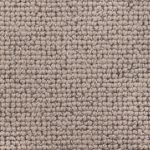
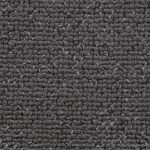
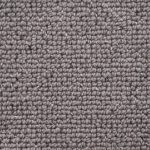
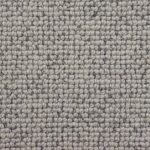
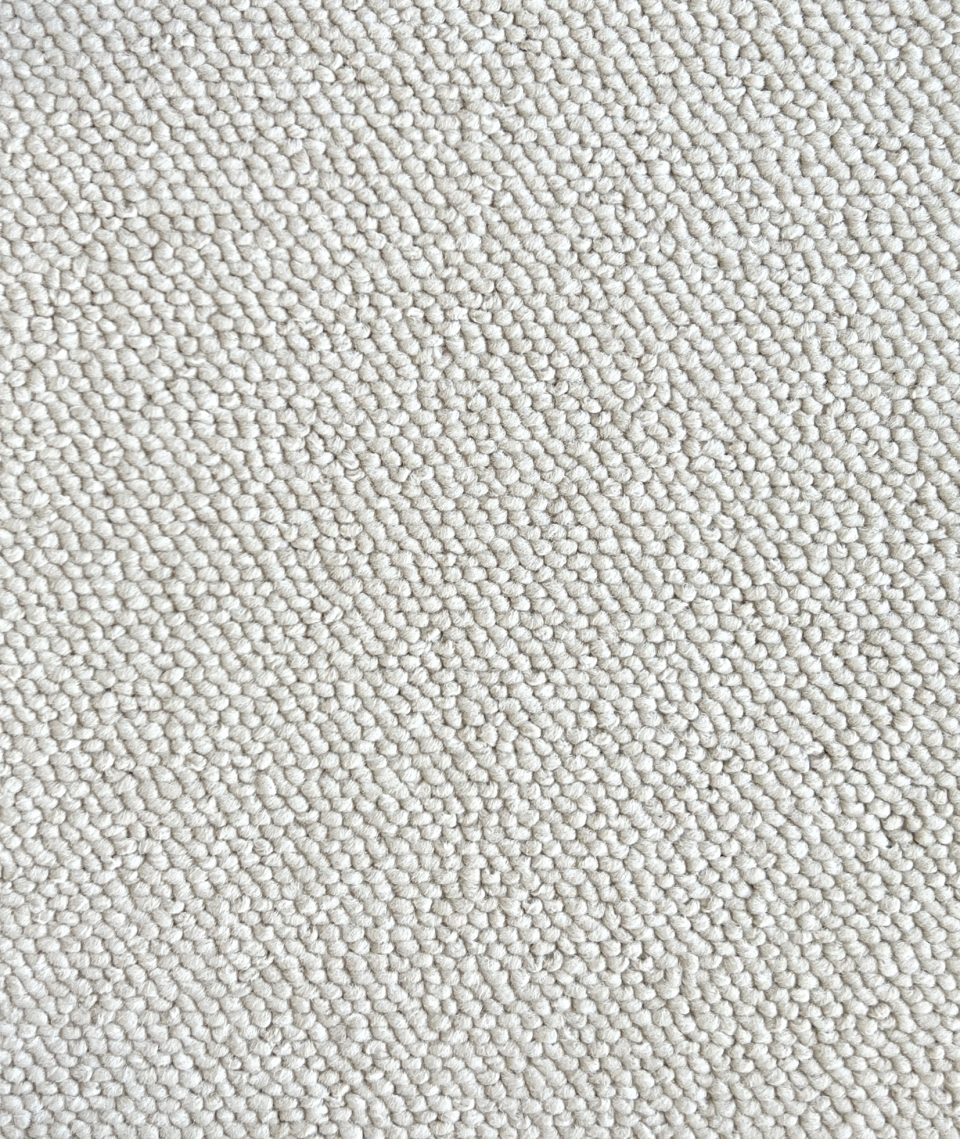
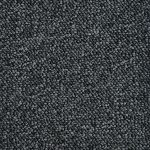
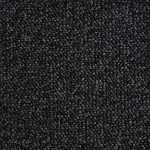
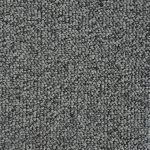
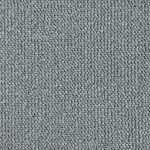
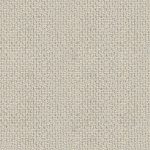
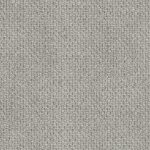
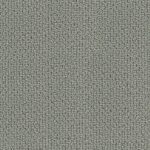
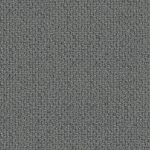
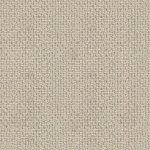
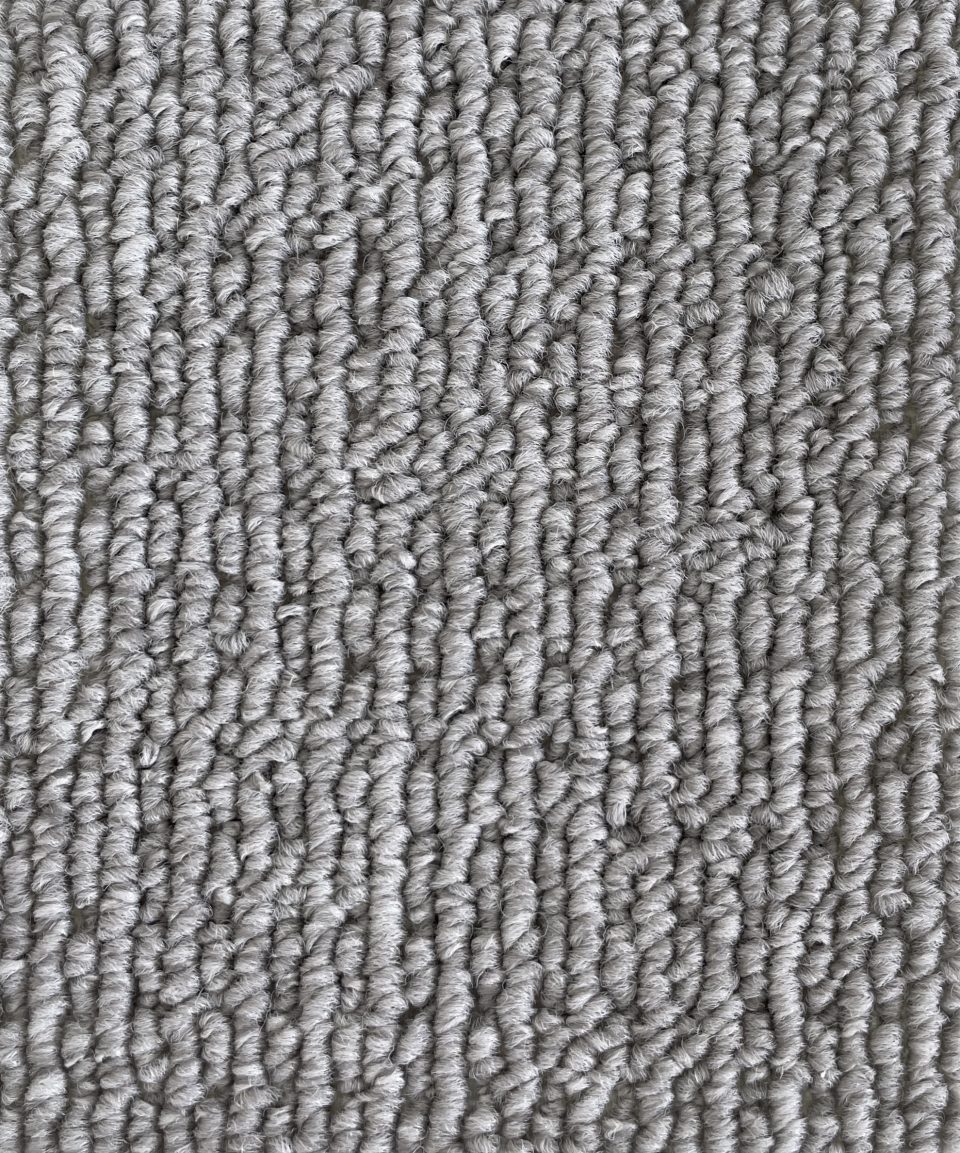
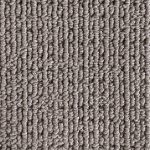
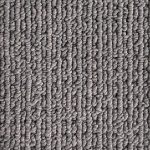
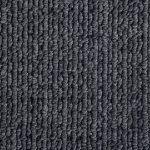
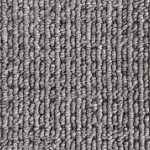
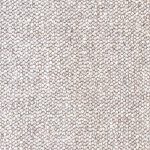
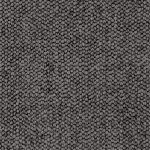
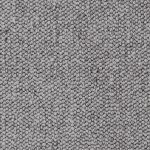
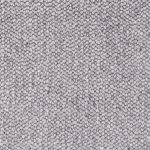
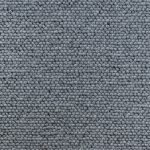
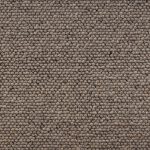
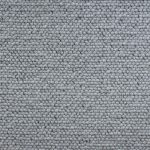
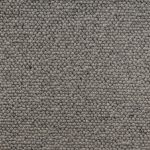
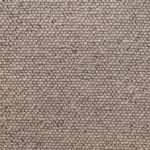
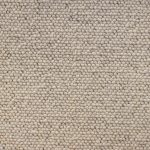
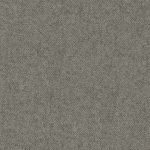
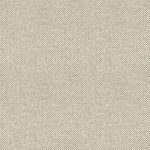
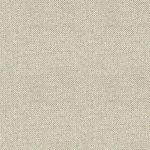
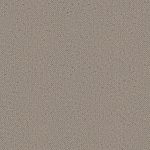
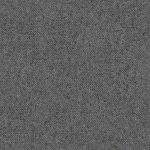
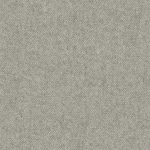
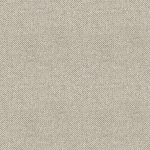
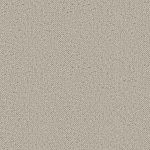
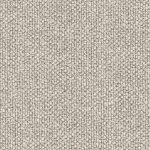
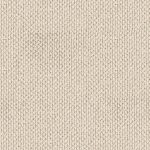
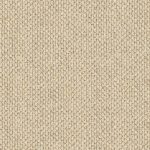
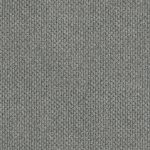
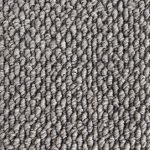
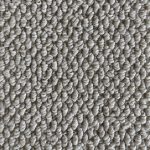
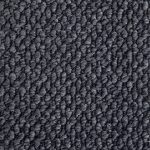
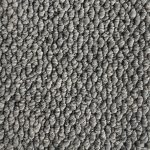
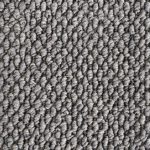
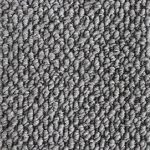
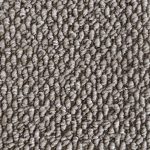
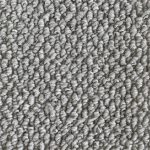
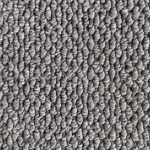
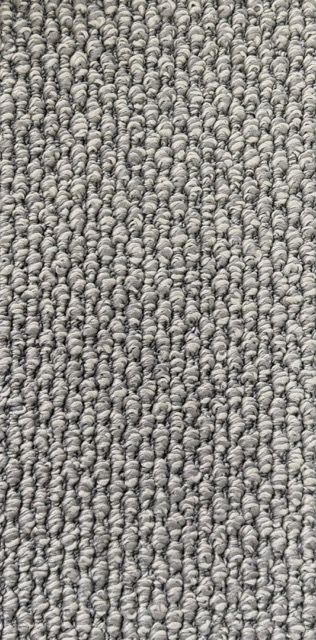
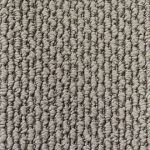
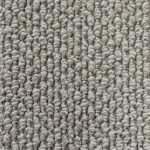
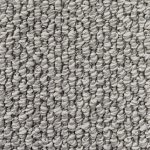
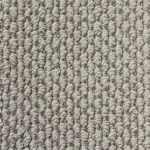
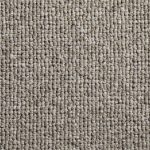
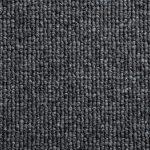
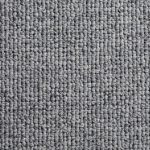
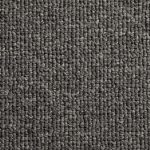
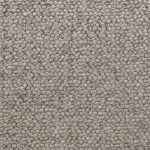
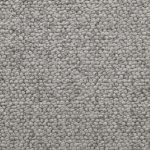
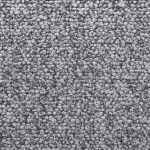
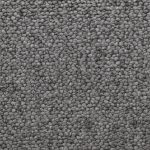
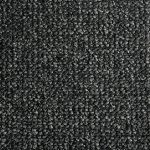
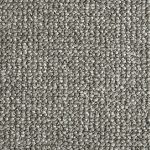
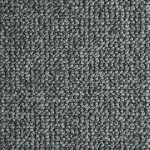
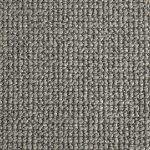
Free In-Home Measure & Quote
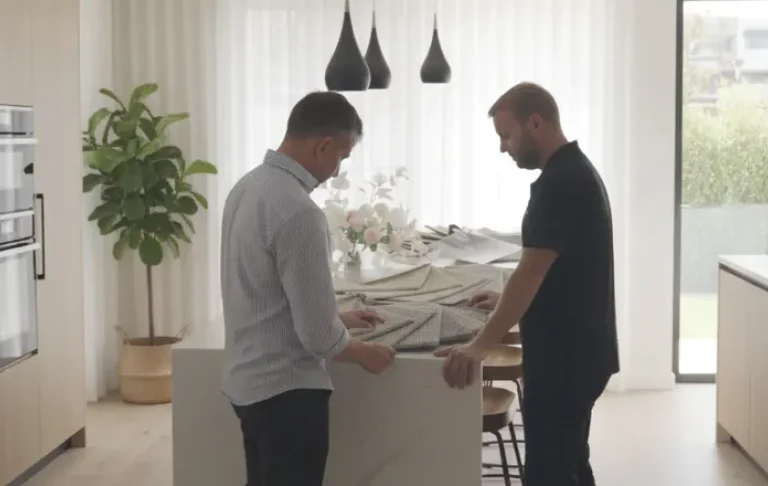
Booking your free measure and quote couldn’t be easier. With real-time online availability, you can choose a time that suits you in just minutes. Our friendly flooring experts bring the showroom to you, with samples to compare in the comfort of your own home. No pressure, no obligation, just advice you can trust.

Marie Dewhurst
Love my new flooring. The lovely men who laid the flooring were extremely hard working and thorough. Thank you to Johnie, Austin and Zane. Great quality. Would definitely recommend this...
Read More
Ray Turner
I am pleased to recommend Beare flooring after what I consider to be an excellent job of laying my hybrid timber floors. My project had quite a few challenges such...
Read More
Sally Baker
From our initial call to Beare Flooring to the final laying of our amazing new carpet, it has been a professional and easy purchase. The whole team are friendly, knowledgeable...
Read More
Debora Smart
Really excellent at home service with this company from start to finish. Anne was a delight to work with. Great communication and timeliness....
Read More
Tracey Hu
Had Luke replaced the carpet and installed slip strips for two of our stairwells. Had to delay as strips stock shortage but the job was done beautifully and professionally! The...
Read More
Jiro T
We had a problem, but Alex solved it and he finished the carpet very nicely. I will definitely recommend. Thank you Stephen, Alex and Beare Flooring!!...
Read More
Marlene Scicluna
Our experience with Team Beare was simply exceptional! We had our carpet replaced with Aquastone flooring & we couldn’t be happier! Nick’s recommendations based on our decor made our home...
Read More
Kylie Leeden
We recently had over 100 square meters of Aqua stone hybrid flooring laid. Stephen from Beare flooring was so easy to deal with and recommended the best product for our...
Read MoreJordan Kidas
Working with William and his team was a fantastic experience. They were incredibly easy to collaborate with, offering the best pricing and making the entire process smooth and enjoyable....
Read More
Mitchl
They were a friendly team who provided an excellent finished product at a competitive price. I would recommend them to anyone wanting to replace their floor. They had a wide...
Read MoreTable of contents
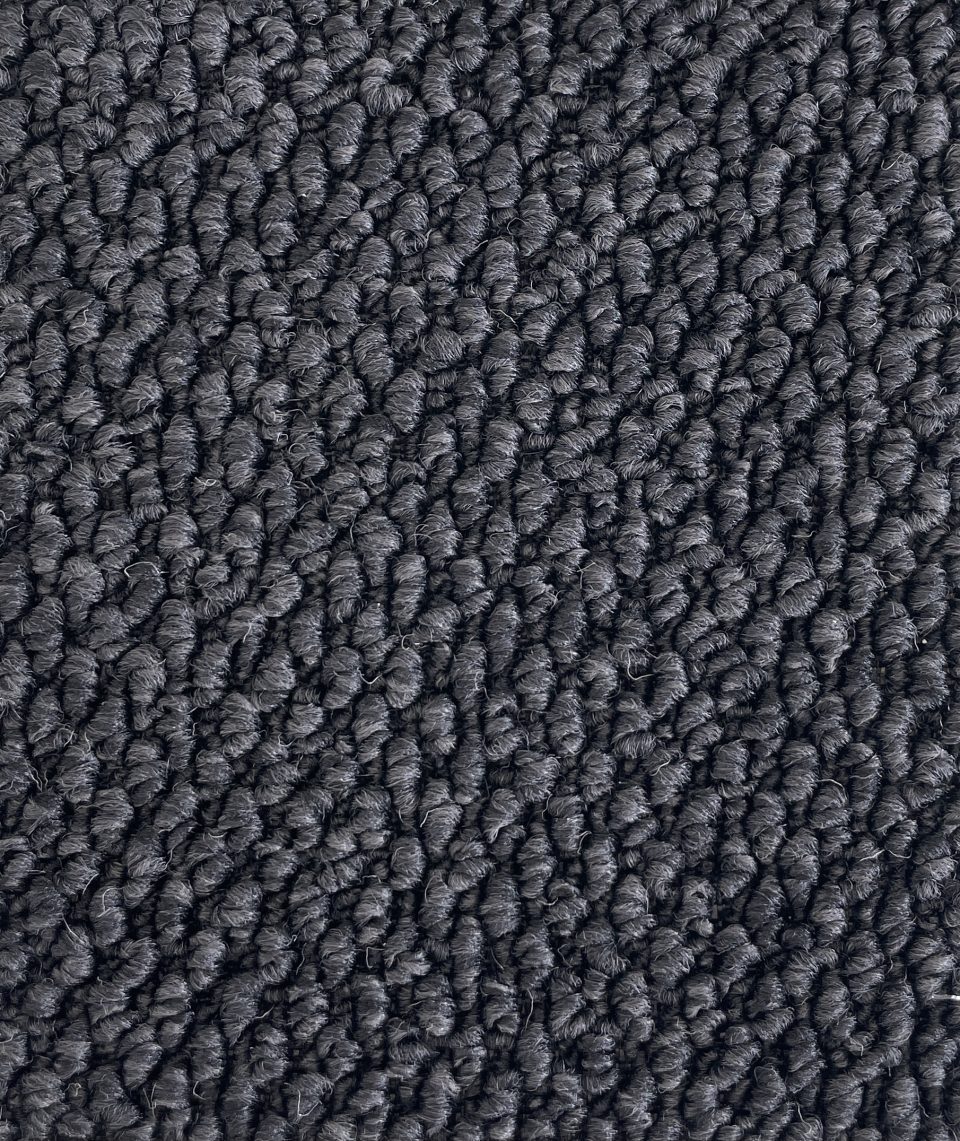
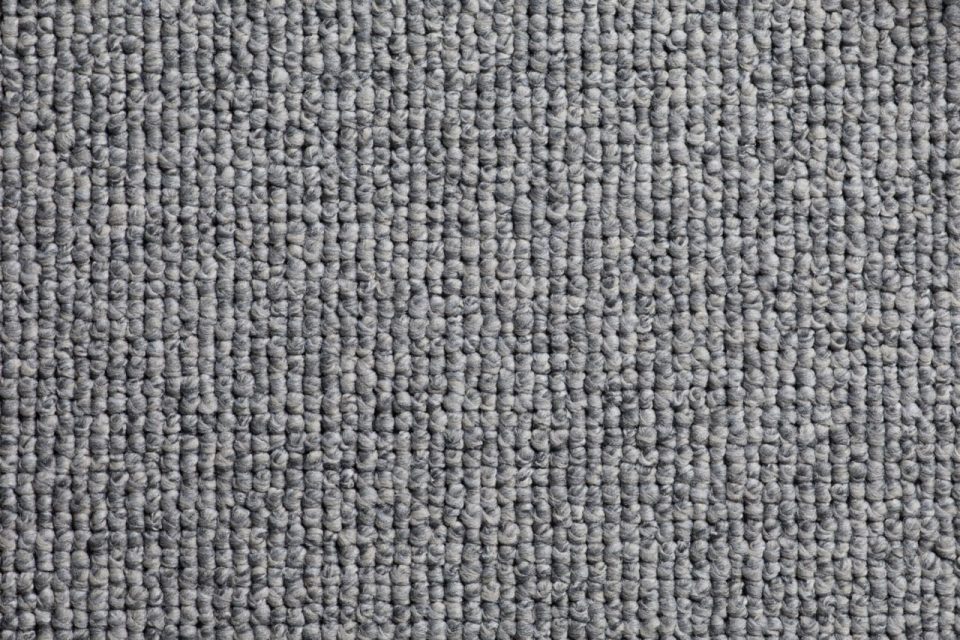
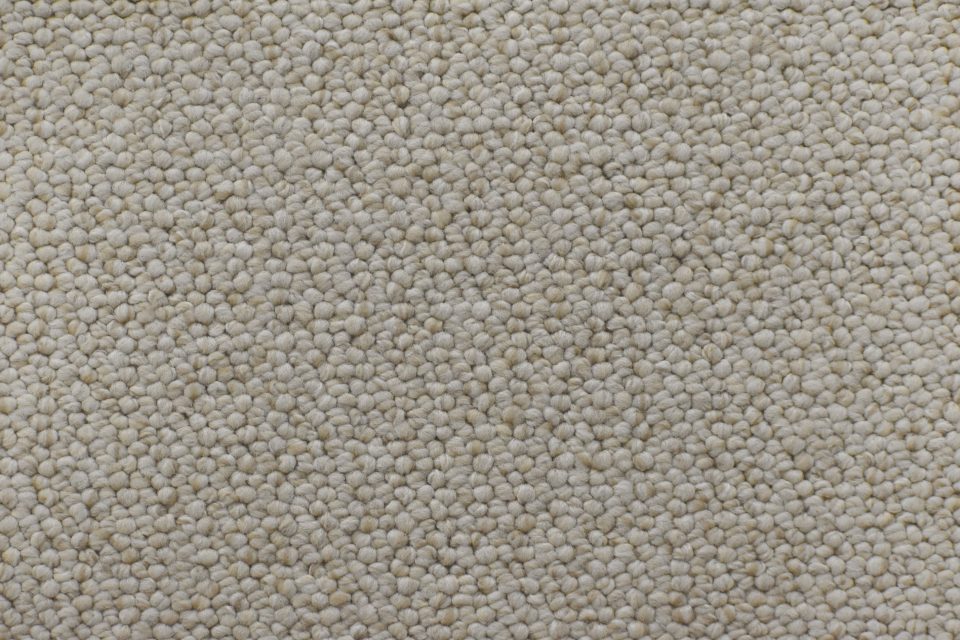
Loop pile carpet is made by stitching yarn through a backing and leaving the loops uncut. That one manufacturing decision changes almost everything about how the carpet looks, feels and wears. Instead of a soft, open surface of cut fibre ends, you get a firm, springy surface of continuous loops.
Homeowners often notice loop pile first in a hallway or on stairs, where its neat, structured appearance holds its shape better than many softer styles.
This guide explains how loop pile carpet is constructed, the loop styles available, where it works well, where it needs a second thought, and how to care for it. By the end, you should know whether loop pile suits your home or whether another style from our carpet range is a better match.
What Is Loop Pile Carpet?
Every tufted carpet starts the same way. Yarn is stitched through a backing material, creating thousands of small loops across the surface. From there, the manufacturer makes a choice. Cut the tops off the loops and you get cut pile carpet, with its soft, open finish. Leave the loops intact and you get loop pile carpet.
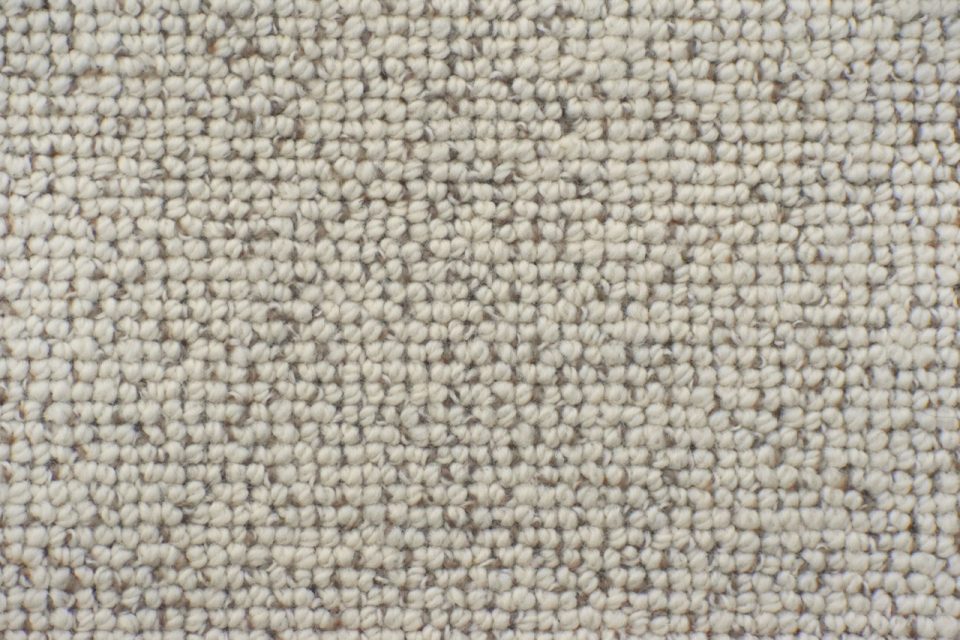
Because the loops stay whole, each strand of yarn forms a small arch that is anchored at both ends. The rounded top of the loop is what your foot touches, not the tip of a fibre. This gives loop pile its slightly firmer feel and its clean, low-profile look.
Loop pile is made in wool and in synthetic fibres such as solution dyed nylon and polypropylene, so the construction style is available across a wide spread of price points and looks.
Types Of Loop Pile Carpet
Loop pile is a family of styles rather than a single look. The main variations are:
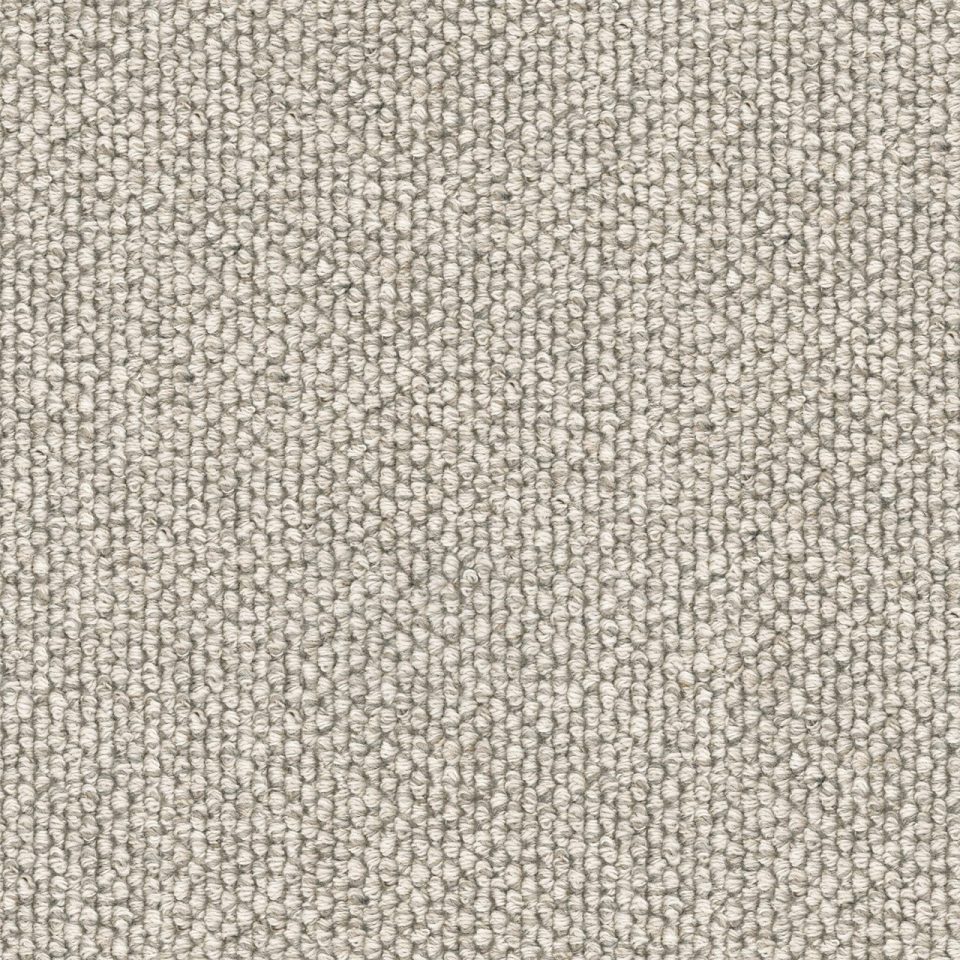
- Level loop - every loop is the same height, creating a smooth, even surface. This is the most understated loop style and a common choice where a clean, uniform finish is wanted.
- Multi-level loop - loops are tufted at two or more heights, creating subtle patterns and a sense of depth. The height variation also helps disguise footprints and everyday marks.
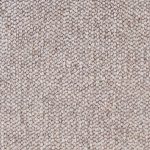
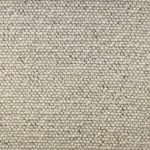
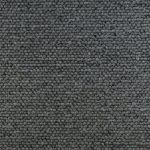
- Textured and sisal-look loops - loops arranged in ribs, lines or geometric patterns that mimic natural woven flooring. These bring visual interest to a room while keeping the practical benefits of loop construction.
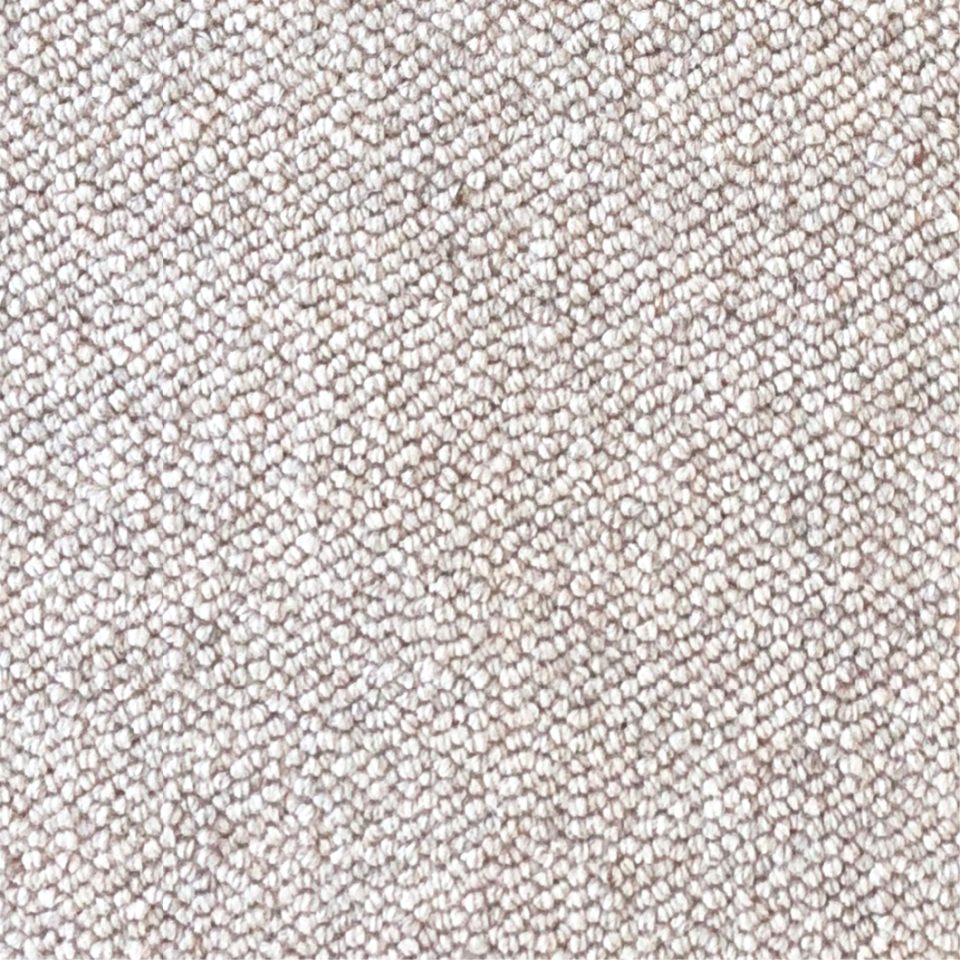
Wool loop styles, sometimes called Berber-style carpets, often feature natural flecks of colour through the yarn. These flecks are practical as well as attractive, because they help hide small marks between vacuums.
Why Loop Pile Handles Traffic So Well
The durability of loop pile comes down to physics. In a cut pile carpet, each fibre stands on its own with an exposed tip. Foot traffic gradually bends and crushes those tips, which is why cut pile can flatten and show tracking in busy walkways.
In a loop pile carpet, there are no exposed tips. Each loop is anchored at both ends and works like a small spring. When you step on it, the loop compresses and then returns to shape. The result is a surface that resists crushing and keeps its appearance in hallways, stairs and living areas that see constant use.
Density plays a part too. A tightly packed pile supports each loop with its neighbours, so the surface wears evenly rather than flattening in patches.
Loop Pile Carpet And Pets
This is the honest part of the conversation, and it matters. The loops that make this carpet so hard wearing can also catch on claws. A dog or cat that digs or scratches at the floor can pull a loop, and once a loop is pulled it can run along the row, a bit like a snag in knitwear.
That does not rule loop pile out for every pet household. Calm, older pets that do not scratch at flooring generally cause no trouble, and dense, low loops are harder to catch than tall, open ones. It does mean the risk is worth weighing up before you decide.
Many households with pets prefer cut pile or twist styles for exactly this reason, since there are no loops to catch. If pets are part of your household, our guide to choosing carpet for pets walks through fibres, styles and practical considerations in more detail.
Why Commercial Spaces Choose Loops
Walk through almost any office and there is a good chance the carpet underfoot is a loop construction. Commercial spaces deal with foot traffic all day, and loop pile's resistance to crushing keeps it presentable for years under conditions that would flatten softer styles.
The same qualities translate directly to homes. A construction proven in workplaces has no trouble with a family hallway. For workplaces themselves, loops also come in modular formats, and our carpet tiles range covers those options for offices and commercial fit-outs.
Rooms That Suit Loop Pile Carpet
Loop pile earns its keep in the busiest parts of the home:
- Hallways and entries - constant foot traffic is exactly what loop construction is built for.
- Stairs - loops hold up well on stair edges, where carpet works hardest, and the firmer surface provides sure footing.
- Living and family rooms - a textured loop adds interest to a large floor area while shrugging off daily use.
- Home offices and studies - the neat, structured look suits work spaces, and the surface handles office chairs better than plush styles.
- Rumpus and multi-purpose rooms - practical, tidy and forgiving of heavy use.
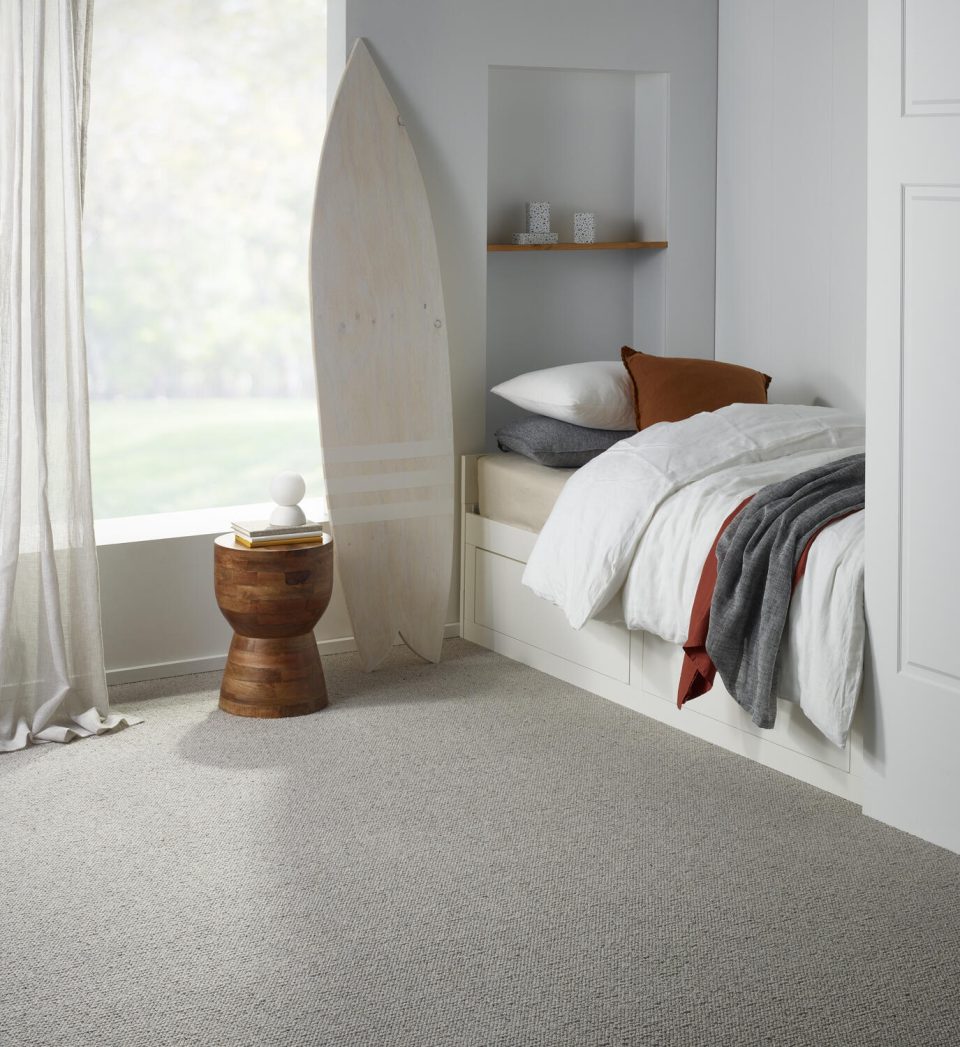
Bedrooms are the one area where many people choose differently, since loop pile feels firmer underfoot than cut pile. Plenty of homes pair loop pile in the traffic areas with a softer cut pile in the bedrooms.
How To Choose Loop Pile Carpet
A few practical checks will narrow the field quickly:
- Loop height - lower, tighter loops are firmer and more resistant to catching. Taller loops feel softer but are easier to snag and can flatten sooner.
- Density - bend a sample backwards. The less backing you can see between the loops, the denser the carpet and the better it will hold its appearance.
- Pattern and flecking - multi-level patterns and flecked yarns disguise wear, shading and small marks far better than a plain, single-height loop in one flat colour.
- Fibre - wool loops feel natural and insulate well, while solution dyed nylon loops offer strong stain resistance and colourfastness for busy households.
- Your household - active pets, in particular, should steer the decision. If claws are a factor, weigh loop pile against a twist style before committing.
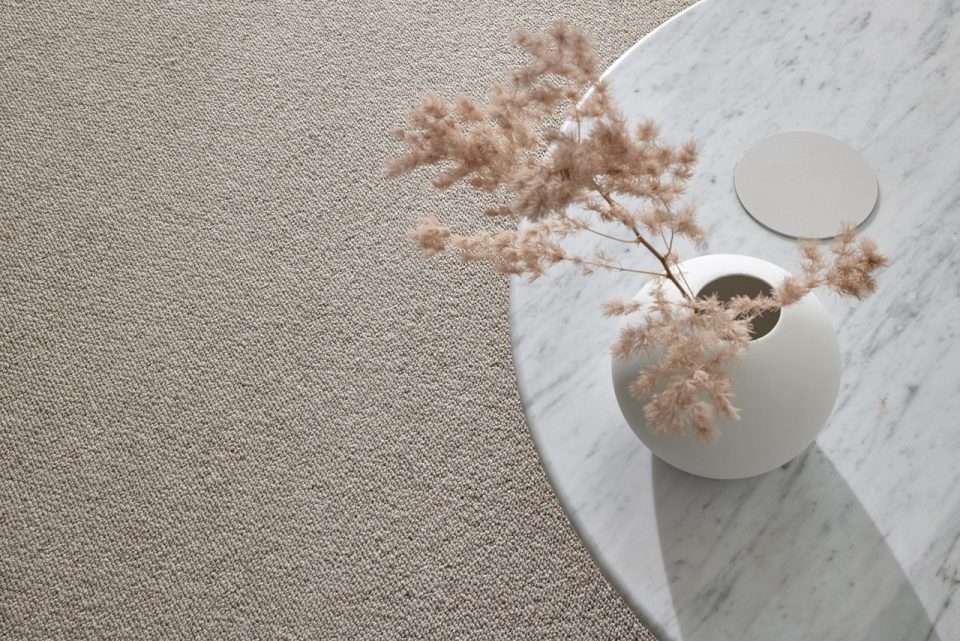
Colour behaves differently in every room, and a loop's texture changes how light sits on the surface. Comparing samples in the actual room, in your own lighting, tells you far more than any picture can. For the broader decision process, our carpet buying guide covers fibres, underlay and styles step by step.
Caring For Loop Pile Carpet
Loop pile is one of the lower-maintenance carpet styles, with one important rule of its own.
Vacuum regularly using suction only. Turn the rotating brush head off if your vacuum has one, because a spinning brush can grab loops and pull them out of shape. A plain suction head glides over the surface and lifts dirt without stressing the pile.
If a loop does snag, avoid pulling it. Pulling can unravel the loop along its row and turn a small blemish into a visible line. Instead, trim the pulled loop level with the surrounding pile using sharp scissors. Done carefully, the repair is close to invisible.
Spills tend to sit on the surface of a dense loop pile a little longer than on open cut pile, which buys you time. Blot promptly with a clean, dry cloth and avoid scrubbing, which can distort the loops.
What Affects Loop Pile Carpet Prices
Two loop pile samples can look similar and sit at quite different price points. The differences are usually found here:
- Fibre - wool loop styles generally sit above synthetics, while solution dyed nylon and polypropylene loops span the mid and entry levels.
- Pile density and weight - more yarn per square metre means more raw material, a fuller feel and longer appearance retention.
- Pattern complexity - multi-level and patterned loops take more sophisticated manufacturing than a plain level loop.
- Underlay - the grade of underlay affects comfort, wear and price, and the right one protects both the carpet and its warranty.
- Installation factors - stairs, hallways and irregular rooms take more time and more careful seam planning than simple open spaces.
An itemised quote covering carpet, underlay and installation together gives you the clearest picture of the full project, and makes it easy to compare options across different price points.
Compare Loop Pile Samples At Home
Loop pile carpet rewards a hands-on decision. The way a textured loop catches the light changes from room to room, so the most reliable way to choose is to see samples where the carpet will actually live.
Installation methods and requirements can vary between states and territories. Always follow the manufacturer's installation instructions, and confirm any specific requirements with your local authority or relevant governing body.
Our mobile showrooms bring loop pile samples into your home, so you can compare loop heights, textures and colours in your own lighting before you decide. Book a free measure and quote, and take the time to get it right.
Frequently Asked Questions
What Is The Difference Between Loop Pile And Cut Pile Carpet?
Both start as loops of yarn stitched through a backing. In cut pile carpet, the tops of the loops are sheared off, leaving soft, open fibre ends. In loop pile carpet, the loops are left whole. Cut pile feels softer, while loop pile feels firmer, resists crushing and keeps a neater appearance in busy areas.
Is Loop Pile Carpet Good For Pets?
It depends on the pet. Claws can catch in loops, and a caught loop can pull and run along its row. Dense, low loops reduce the risk, but many households with dogs or cats that scratch choose cut pile or twist styles instead, because there are no loops to catch.
What Are The Disadvantages Of Loop Pile Carpet?
The main ones are a firmer feel underfoot compared with plush cut pile, the possibility of snagging from claws or sharp objects, and the need to vacuum with suction only rather than a rotating brush. For many homes, the durability outweighs these trade-offs, particularly in traffic areas.
Is Loop Pile Carpet Hard Wearing?
Yes. Because each loop is anchored at both ends and has no exposed fibre tip, the pile compresses and springs back rather than crushing flat. This is why loop constructions are common in commercial buildings and why they perform strongly in hallways and stairs at home.
What Is Berber Carpet?
Berber describes a loop pile style inspired by traditional hand-woven textiles, typically featuring flecks of darker colour through a lighter yarn. Today the name is used loosely for many flecked or chunky wool-look loop carpets. The flecking is practical, helping to hide small marks between cleans.
Is Loop Pile Carpet Soft Underfoot?
It is comfortable, but firmer than cut pile. The rounded tops of the loops create a springy, supportive surface rather than a plush one. Taller or multi-level loops feel softer than tight level loops, and a quality underlay adds noticeable cushioning under any loop style.
How Do You Vacuum Loop Pile Carpet?
Use suction only. Switch off the rotating brush head, or use a flat floor tool, because a spinning brush can grab and pull loops. Regular vacuuming with plain suction keeps the pile clean without putting stress on the loops.
What Should I Do If My Loop Pile Carpet Snags?
Do not pull the loop, as pulling can unravel it along the row. Trim the pulled loop level with the surrounding pile using sharp scissors. If a larger area has run, a carpet professional can often repair the section so it blends back in.
Why Is Loop Pile Carpet Used In Offices?
Offices need flooring that stays presentable under constant foot traffic and rolling chairs. Loop construction resists crushing, hides tracking and keeps a tidy, professional look with routine maintenance, which is why it has been the standard choice in commercial spaces for decades.
Does Loop Pile Carpet Suit Stairs?
Yes, loop pile is a strong performer on stairs. The pile holds together well where carpet bends over stair nosings, which is where wear concentrates. A dense, low loop keeps stairs looking neat and provides a sure surface underfoot.