Choosing the right carpet comes down to four decisions: match the fibre to the traffic, the pile style to the look and feel you want, the colour to the room, and never skimp on the underlay. Get those four right and the carpet will suit your home for a decade or more.
Carpet is a long-term purchase, and the range of fibres, piles and colours can make the choice feel bigger than it is. This guide walks through each decision in the order that matters, so by the end you will know exactly what to look for and what to ask. Wherever a topic deserves more depth, we link to the detailed guide on it.
Start With How Each Room Is Used
The most common carpet mistake is choosing on looks alone. Before comparing samples, be honest about the life each room leads:
- Traffic – hallways, stairs and living areas take constant footsteps and need resilient fibres; bedrooms are gentle duty where softness can lead.
- Kids and pets – spills, claws and play sessions call for stain resistance and forgiving textures (our carpet stain remover guide covers the ones that get through). Our guides to carpet for families and carpet for pets go deeper.
- Sunlight – north-facing rooms with big windows fade some fibres faster than others.
- Maintenance appetite – some carpets forgive a missed vacuum week; others show every footprint.
Answering these questions first narrows the field before you ever look at a colour.
Carpet Fibres Compared
- Wool – the natural benchmark. Warm, soft, naturally stain resistant and long lived, with a look that improves as it settles. It rewards care and suits homeowners planning to stay put. Typical lifespan runs 15 years or more.
- Solution dyed nylon – the modern all-rounder. The colour is locked through the fibre rather than coated on, so it stands up to sun, stains and repeated cleaning. The usual choice for busy family homes and high-traffic spaces.
- Polyester – soft and well priced, with good colour retention. At its best in bedrooms and quieter rooms; less resilient in heavy traffic.
- Polypropylene – practical and stain resistant, common in rental properties and value ranges. Like polyester, it prefers lighter duty.
- Wool blends – wool character with synthetic resilience, sitting between the two on price and performance.
If you want to see how these translate into years of service, our guide to how long carpet lasts breaks down lifespan by fibre. For the dollars side of the decision, our guide to carpet prices and costs explains typical ranges and what moves a quote up or down.
Carpet Styles And Pile Types
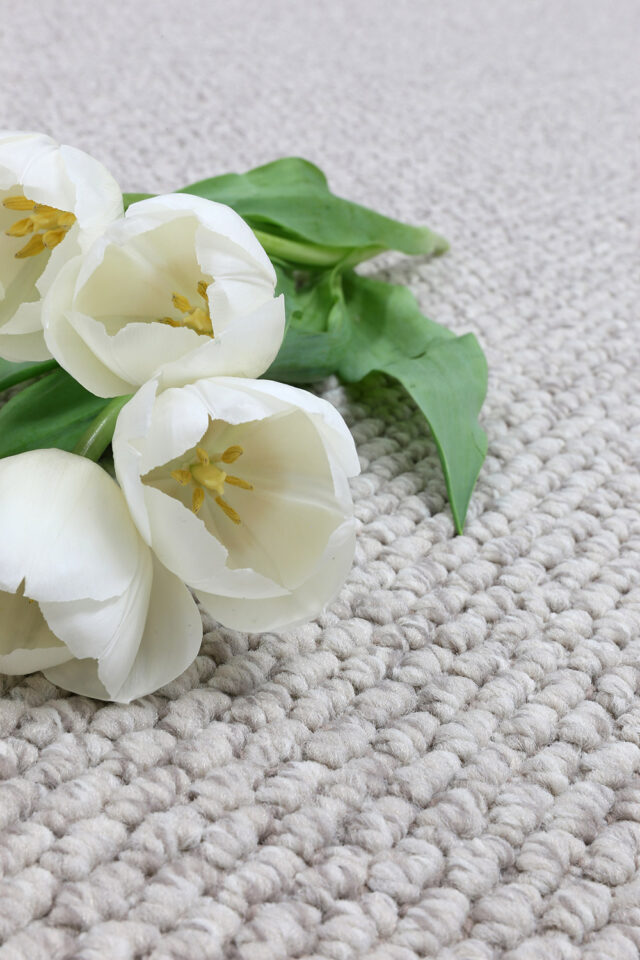
- Plush (cut pile) – smooth, even and soft with a formal look. Shows footprints and vacuum tracks, which suits bedrooms and formal lounges better than busy areas.
- Textured cut pile – fibres twisted for a textured surface that disguises footprints and daily wear. The most popular choice for family living areas.
- Textured cut pile – varied fibre heights create a relaxed look that hides marks well.
- Loop pile – fibres looped rather than cut, giving durability and a contemporary flat look. Excellent in high-traffic areas; households with pets should note claws can snag loops.
- Cut and loop – patterns formed by combining both, adding visual interest while staying practical.
Choosing Carpet Colour
Colour changes more between rooms than any sample board suggests, so judge it in the room it will live in.
- Light colours – open up smaller rooms and reflect natural light, but show marks sooner. Happiest in adult bedrooms and formal spaces.
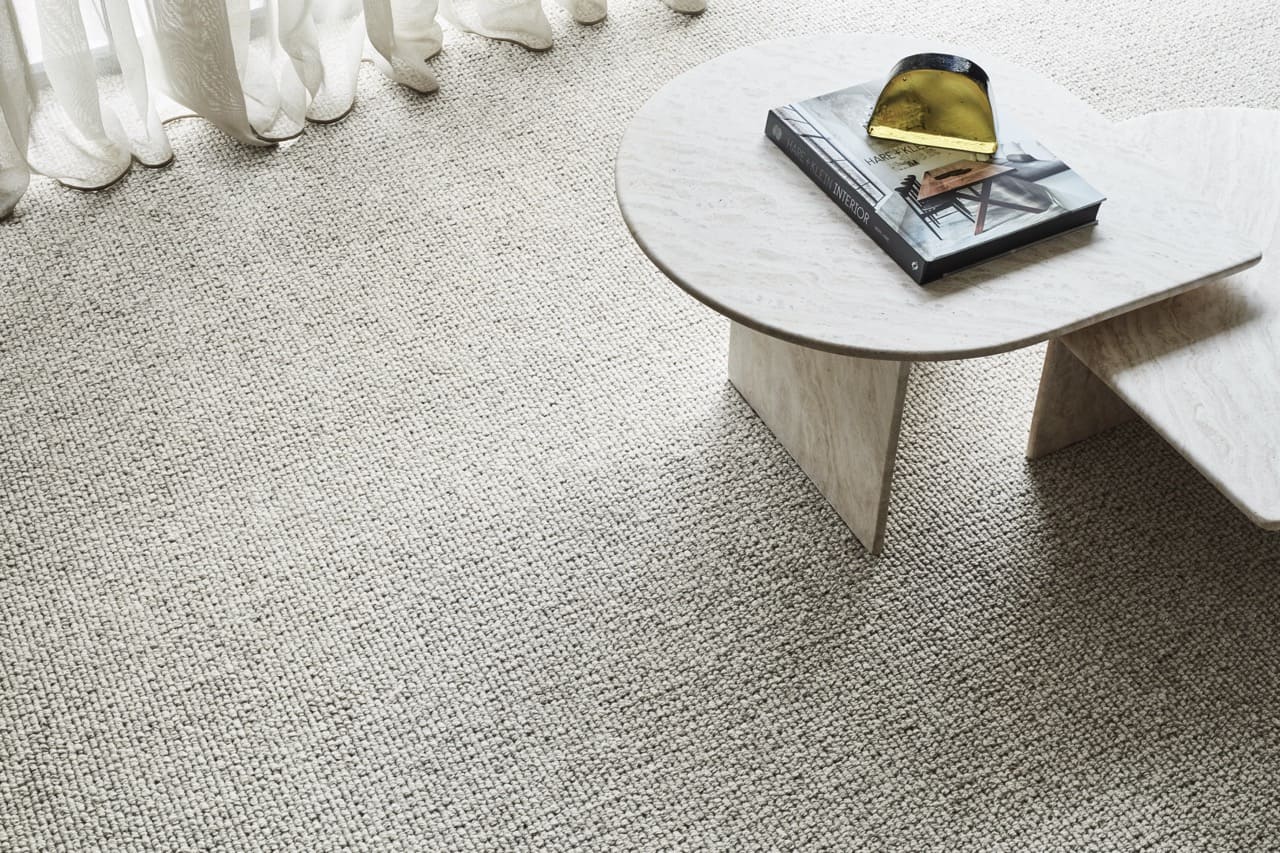
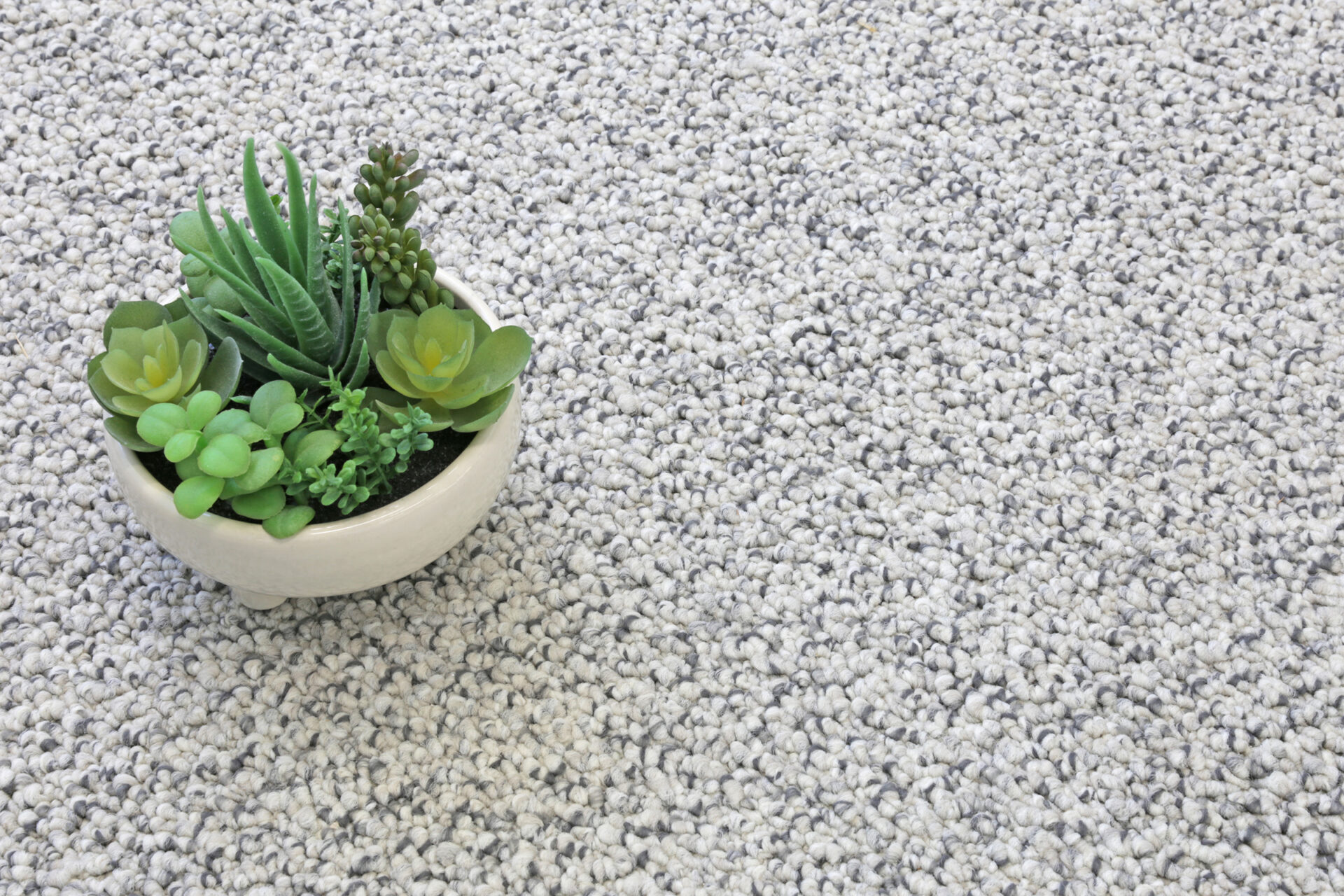
- Mid-tones and flecks – the practical heartland. Greys, taupes and oatmeals with subtle fleck hide everyday life and suit almost every interior.
- Dark colours – cosy and dramatic in large rooms, though they show lint and reduce the sense of space in small ones.
For sleeping spaces specifically, our bedroom carpet guide covers colour and comfort in detail.
Underlay: The Hidden Half Of Comfort
Two identical carpets can feel completely different on different underlay. Quality underlay adds softness underfoot, insulates against noise and temperature, and absorbs the impact that would otherwise crush the pile, which directly extends the carpet’s life. It is a small share of the total cost and the last place to save. Our carpet underlay guide explains the types and how to choose.
How To Judge Carpet Quality
- Density – part the pile and look for the backing. The harder it is to see, the denser and better wearing the carpet. Dense low pile outwears tall sparse pile every time.
- Twist retention – in cut piles, tightly twisted fibre tips that spring back when pressed indicate a carpet that will keep its look.
- Warranty terms – look at the wear and stain warranties, what they cover, and the care conditions attached. Keep the care guide, because cleaning outside its approved products can void the warranty.
- Weight for weight comparisons – compare pile weight and density between samples of the same fibre, not across different fibres, or the numbers mislead.
Common Carpet Buying Mistakes
- Choosing on colour first – fibre and pile decide how the carpet lives; colour decides how it looks on day one.
- Judging samples under showroom lights – colour shifts dramatically in your own rooms, morning to night.
- Saving on underlay – it undermines both comfort and lifespan of the carpet above it.
- Using one carpet everywhere by default – a plush that delights in the bedroom can look tired in a hallway within a couple of years. Mixing grades room by room often works better.
- Ignoring the care guide – knowing the approved cleaning products before the first spill protects both carpet and warranty.
Frequently Asked Questions
- What is the best carpet for a family home? – a solution dyed nylon textured cut pile in a mid-tone fleck handles traffic, spills and pets while staying presentable. Wool suits quieter homes and bedrooms beautifully.
- Which carpet pile lasts longest? – dense loop piles and tightly twisted cut piles hold their appearance longest in traffic. Density matters more than pile height.
- What colour carpet is most practical? – mid-tone greys, taupes and oatmeals with a fleck. They hide everyday marks, flatter most interiors and outlast furniture changes.
- Is wool carpet worth it? – for the right home, yes. It feels and insulates like nothing synthetic, lasts 15 years or more with care, and ages gracefully. Busy households that want set-and-forget practicality often land on solution dyed nylon instead.
- How do I know if a carpet is good quality? – part the pile and check how visible the backing is, press the tips and watch them recover, and read the warranty. Those three checks reveal more than any brochure.
Comparing Carpet In Your Own Home
Every consideration in this guide gets easier with the samples in front of you, in the rooms they are meant for. Our mobile showroom brings our carpet range to you, so you can part the pile, feel the difference underlay makes, and watch colours change from the hallway to the bedroom, with a local expert to answer the quality questions on the spot. A professional measure happens in the same visit, so when you are ready, book a free in-home measure and quote.