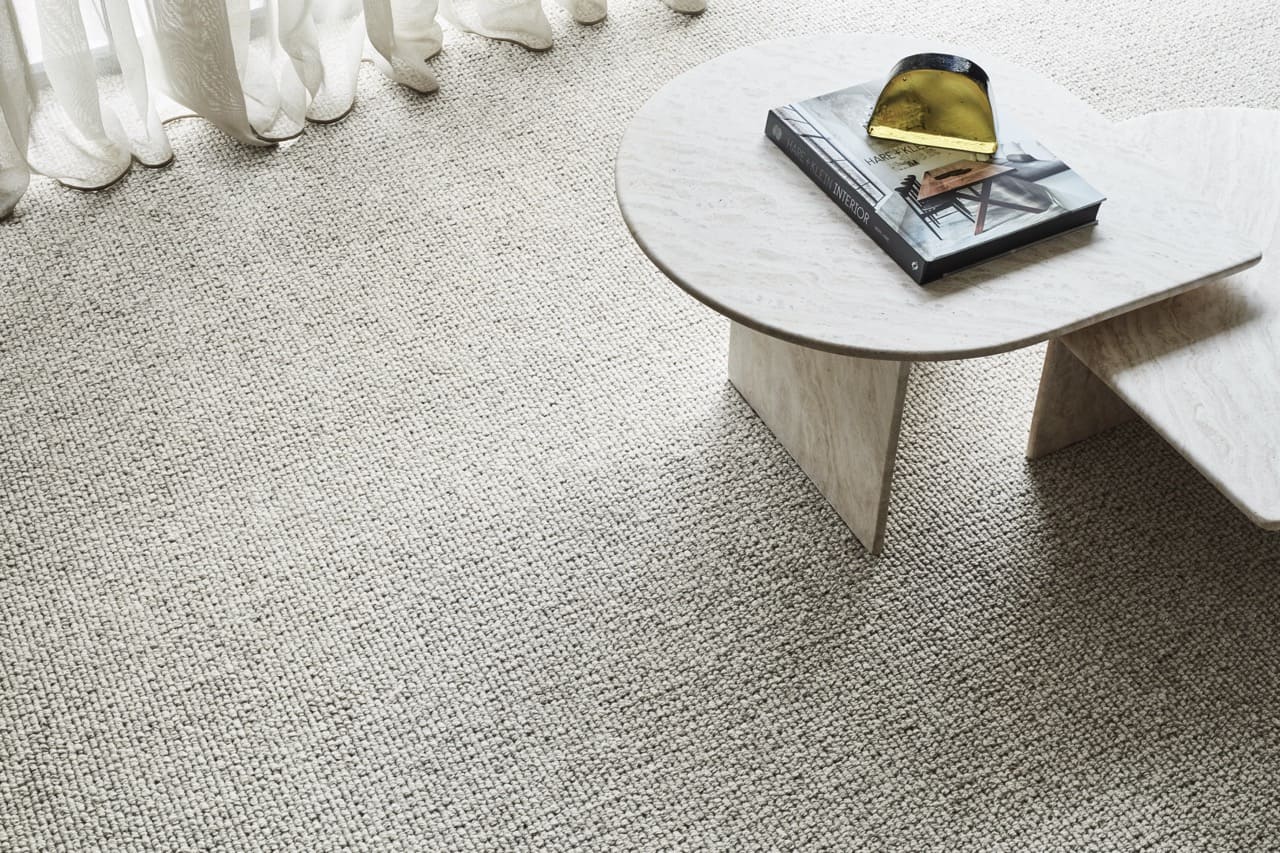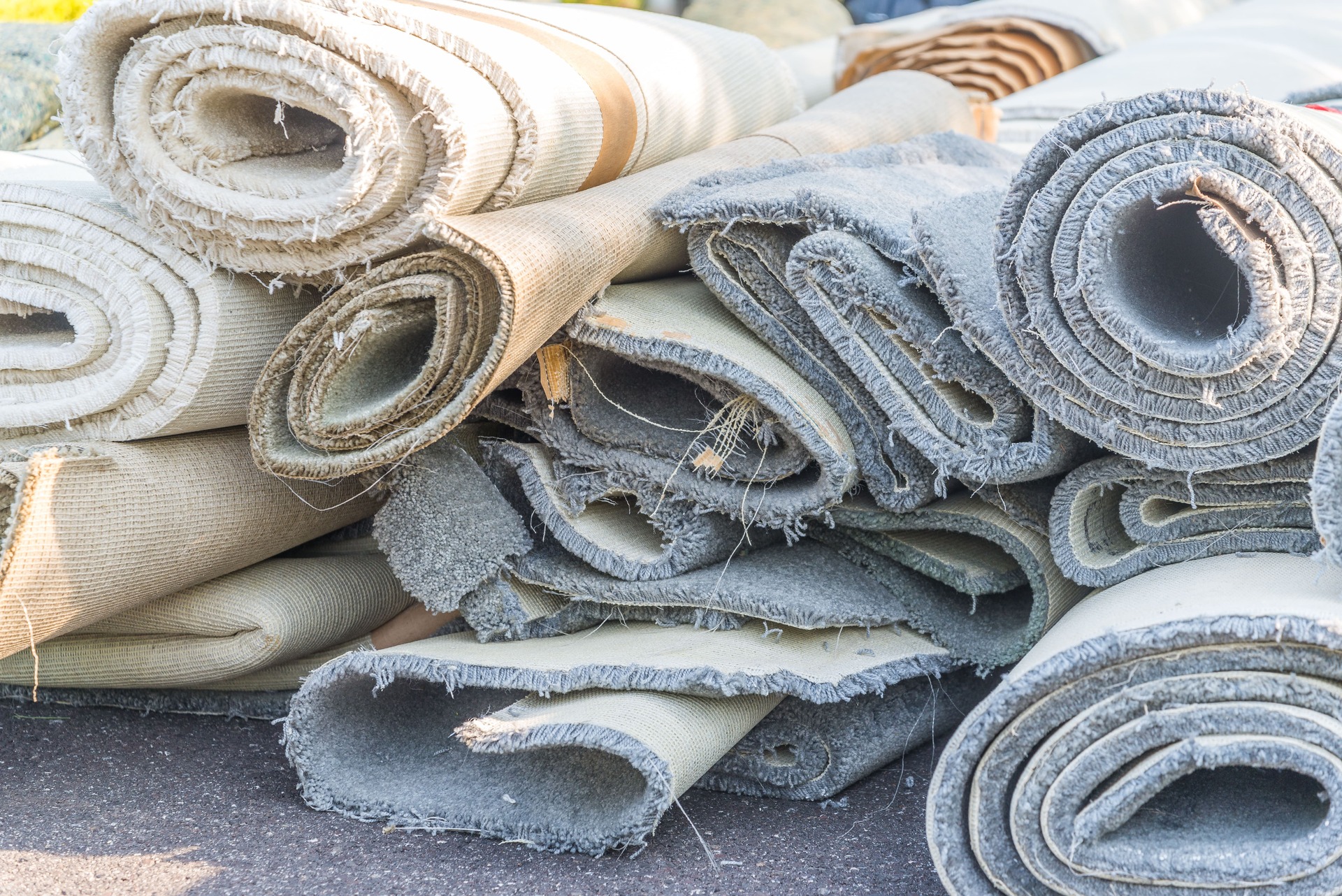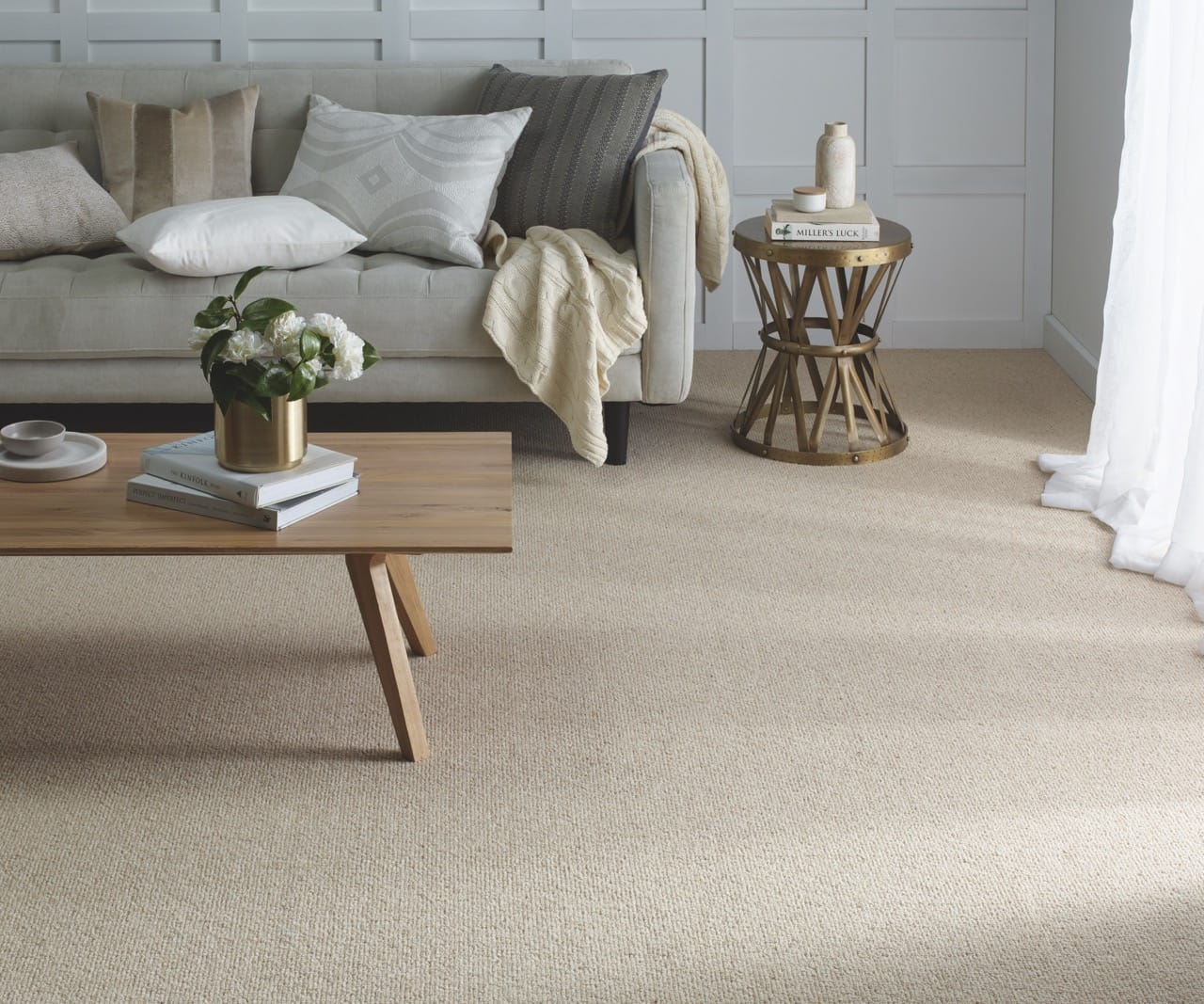
Wool carpet has passionate fans and a handful of persistent myths, and somewhere in the middle sits the truth. We sell and install wool every week, so here’s the full briefing we give customers before they buy: the genuine advantages, the honest disadvantages, and the one thing that surprises almost every new wool carpet owner (yes, the fluffing).
The Advantages Worth Paying For
It bounces back
Wool fibre is naturally crimped, like a spring. Foot traffic and furniture compress it, and it recovers. That’s why decades-old wool carpets can still look full while cheaper synthetics have flattened into traffic lanes. If appearance retention over the long haul is your priority, this is wool’s headline act.
Natural insulation, both directions
Wool traps air, insulating against winter cold and summer heat, and it absorbs sound better than any hard floor. Rooms with wool carpet are measurably quieter and hold their temperature longer.
It manages moisture and air
Wool absorbs and releases water vapour without feeling damp, buffering room humidity, a genuine advantage in Queensland and coastal NSW. Our guide to wool carpet in a Queensland climate explains how that plays out through a humid summer. It also holds fine dust up in the pile until you vacuum it away, rather than letting it circulate, and it’s a low-VOC natural fibre.
Naturally flame-resistant
Wool chars rather than melts and is self-extinguishing. It’s why wool is specified in aircraft and hotels. No fire-retardant chemistry required.
The sustainability story is real
Renewable, biodegradable, grown on grass. If you’re trying to get plastics out of your home, wool is the only mainstream carpet fibre that qualifies.
The Disadvantages, Honestly
It costs more
Wool is the premium end of carpet, typically well above solution dyed nylon or polyester per square metre. For some rooms that premium is easily justified; for a rental or a rumpus room, often not. For a sense of where wool sits against the wider market, our carpet cost guide sets out typical ranges by fibre and style.
Stains need quicker action
Wool’s lanolin coating buys you time with spills, but wool is not the “anything goes” fibre (our guide to removing carpet stains has the method). It can absorb dyes (red wine, cordial) if left, and it can’t tolerate the harsh alkaline or bleach-based cleaners that solution dyed nylon shrugs off. Blot fast, use wool-safe products, and it’s manageable. But if your household produces daily spills, a synthetic will forgive you more.
Sun can soften its colour over time
Years of harsh, direct Australian sun through unprotected glass will gradually mellow wool’s colour. Window coverings or tint solve it; for a fully sun-blasted room, consider solution dyed nylon instead.
Moths are a (small, solvable) thing
Untreated wool can attract moth larvae in dark, undisturbed corners. Modern quality wool carpets are treated during manufacturing, and regular vacuuming removes the risk in practice. But it’s a real difference from synthetics, which moths ignore.
Watermarking and shading
Some plush wool piles develop “shading” or watermark-like patches where pile lies in different directions catching the light. It’s an optical characteristic of deep cut piles, not a defect, but if perfect uniformity matters to you, choose a loop or textured pile instead.
The Fluffing: What Every New Wool Owner Should Know
Here’s the one that generates the worried phone calls. For the first weeks to months, a new wool cut-pile carpet sheds. You’ll fill the vacuum with fluff and wonder if the carpet is disintegrating. It isn’t.
Wool yarn is spun from short staple fibres, and the loose ends left over from manufacturing work their way to the surface as the carpet settles in. That surface fluff is a tiny fraction of the pile and its departure doesn’t shorten the carpet’s life. The routine:
- Vacuum normally and regularly: don’t be gentle, the fluff needs to come out.
- Expect it to taper off over roughly two to six months depending on the carpet and traffic.
- Snags and sprouts: if a single tuft stands proud, trim it level with scissors and never pull it.
Loop pile wools shed far less than cut piles. If shedding would genuinely bother you, that’s a reason to look at wool loops, not a reason to abandon wool.
So Is Wool Right For You?
Choose wool for the rooms where comfort, quiet and long-term looks matter, such as lounges, master bedrooms and media rooms, and where spills are occasional rather than hourly. If the label says New Zealand or Australian wool and you are wondering what that changes, our wool label guide covers it. Choose solution dyed nylon for the spill zones, sun-traps and rentals. Many of our customers do exactly that split in the one house. If you’re still weighing the two fibres, our wool vs synthetic carpet comparison goes through feel, stains, sun, allergies and price side by side.
The easiest way to decide is with the samples on your own floor: our mobile showroom brings the wool carpet range to your door, alongside the synthetics, with a free measure and quote on the spot.
Frequently Asked Questions
- Why Is My New Wool Carpet Shedding So Much? – It’s normal. Loose staple fibres from manufacturing surface over the first weeks to months and vacuum away harmlessly. It tapers off and doesn’t affect the carpet’s lifespan.
- How Long Does Wool Carpet Fluffing Last? – Typically two to six months of noticeable shedding, reducing steadily. Loop pile wools shed much less than cut piles from day one.
- What Are The Biggest Disadvantages Of Wool Carpet? – Price, the need for quicker spill response and wool-safe cleaning products, gradual colour softening in harsh direct sun, and initial shedding on cut piles. All manageable, but real.
- Do Moths Really Eat Wool Carpet? – Modern wool carpets are treated against moths during manufacturing, and regular vacuuming of quiet corners removes the practical risk. It’s a consideration, not a crisis.
- Is Wool Carpet High Maintenance? – No. Regular vacuuming, prompt blotting of spills, and a professional clean every year or two. The only real rule is using wool-safe cleaning products.
- Should I Choose Cut Pile Or Loop Pile Wool? – Cut pile for softness and that classic plush look (with some early shedding and possible shading); loop pile for durability, minimal shedding and a more uniform appearance. Traffic and taste decide it.