Wool Carpet
Wool carpet is the fibre every synthetic is designed to imitate: naturally soft, insulating and springy underfoot, warm in winter and cooler in summer. Judge it the way wool deserves, in the rooms it will actually live in. Invite the showroom into your home: wool in your hands, colours in your own light, and every question answered on the spot.
Lifetime Install Guarantee
Mobile Showrooms
Award Winners
Free In-Home Measure & Quote
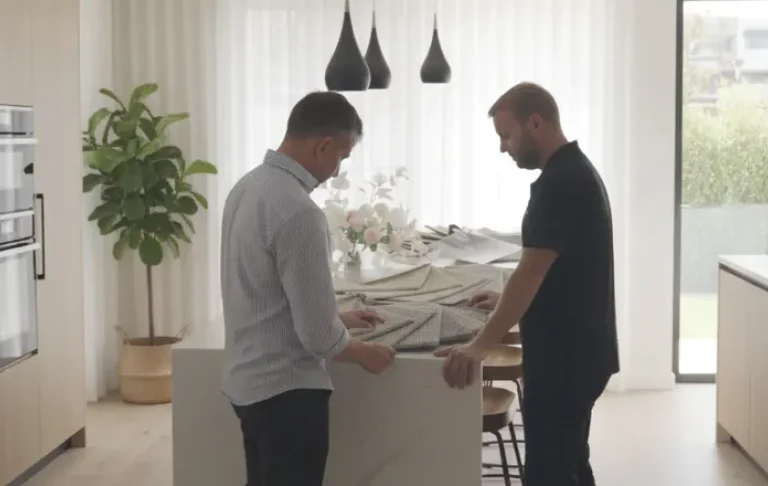
Booking your free measure and quote couldn’t be easier. With real-time online availability, you can choose a time that suits you in just minutes. Our friendly flooring experts bring the showroom to you, with samples to compare in the comfort of your own home. No pressure, no obligation, just advice you can trust.

Marie Dewhurst
Love my new flooring. The lovely men who laid the flooring were extremely hard working and thorough. Thank you to Johnie, Austin and Zane. Great quality. Would definitely recommend this...
Read More
Ray Turner
I am pleased to recommend Beare flooring after what I consider to be an excellent job of laying my hybrid timber floors. My project had quite a few challenges such...
Read More
Sally Baker
From our initial call to Beare Flooring to the final laying of our amazing new carpet, it has been a professional and easy purchase. The whole team are friendly, knowledgeable...
Read More
Debora Smart
Really excellent at home service with this company from start to finish. Anne was a delight to work with. Great communication and timeliness....
Read More
Tracey Hu
Had Luke replaced the carpet and installed slip strips for two of our stairwells. Had to delay as strips stock shortage but the job was done beautifully and professionally! The...
Read More
Jiro T
We had a problem, but Alex solved it and he finished the carpet very nicely. I will definitely recommend. Thank you Stephen, Alex and Beare Flooring!!...
Read More
Marlene Scicluna
Our experience with Team Beare was simply exceptional! We had our carpet replaced with Aquastone flooring & we couldn’t be happier! Nick’s recommendations based on our decor made our home...
Read More
Kylie Leeden
We recently had over 100 square meters of Aqua stone hybrid flooring laid. Stephen from Beare flooring was so easy to deal with and recommended the best product for our...
Read MoreJordan Kidas
Working with William and his team was a fantastic experience. They were incredibly easy to collaborate with, offering the best pricing and making the entire process smooth and enjoyable....
Read More
Mitchl
They were a friendly team who provided an excellent finished product at a competitive price. I would recommend them to anyone wanting to replace their floor. They had a wide...
Read MoreWool carpet has been fitted in Australian homes for generations, and it is still the fibre many homeowners ask for by name. Wool is a natural fibre grown rather than manufactured, and it brings a combination of softness, warmth and resilience that synthetic carpets are designed to imitate.
Choosing between wool and a synthetic fibre is one of the biggest decisions in any carpet project. Each has genuine strengths, and the right answer usually depends on the room, the household and what you value most underfoot.
This guide goes deeper on the wool fibre itself: how it performs, how it compares honestly with solution dyed nylon, which rooms it suits, and what to expect with care and price. If you are earlier in your decision, our carpet range covers pile styles, underlay and colour selection across all fibres.
Why Wool Carpet?
Wool grows with a natural crimp, a gentle wave along every fibre. That crimp is the source of most of what makes wool carpet special. It traps millions of tiny pockets of air, which insulate the floor, and it lets each fibre compress and spring back rather than flattening permanently.
Wool also interacts with the air around it. The fibre absorbs moisture when rooms are humid and releases it when they are dry, which is part of why wool floors feel comfortable across the seasons rather than cold in winter and sticky in summer.
And then there is the feel. Wool is soft and comfortable underfoot in a way that is difficult to describe on a page and easy to recognise the moment you walk on it. For many homeowners, that first barefoot step on a wool sample is what settles the decision.
How Wool Carpet Performs
Beyond comfort, wool has a set of practical qualities that come from the structure of the fibre itself:
- Crush recovery - wool fibres behave like small springs, recovering after foot traffic and furniture. A dense wool pile resists the flattened walkways that can appear in softer synthetic carpets.
- Natural insulation - the air trapped within and between wool fibres slows heat passing through the floor, helping rooms hold warmth in winter.
- Breathability - wool absorbs and releases moisture from the air, helping the surface stay comfortable in humid and dry conditions alike.
- Sound absorption - wool's dense, springy pile soaks up footfall and everyday noise, useful in bedrooms, upstairs rooms and quiet living spaces.
- Slow to ignite - wool is naturally slower to ignite than many synthetic fibres, a property it carries without added treatments.
- A soft, matte appearance - wool reflects less light than most synthetics, giving colours a gentle, natural depth that also softens the look of everyday soil between vacuums.
We have also written honestly about wool carpet's advantages, disadvantages and the fluffing question, worth a read if you are weighing wool up for your own home.
Wool Vs Solution Dyed Nylon
Solution dyed nylon is the other fibre most Australian homeowners compare, and the honest answer is that each wins on different measures.
Solution dyed nylon has its colour locked through the entire fibre during manufacture, a little like a carrot rather than a radish. That gives it two clear advantages: strong resistance to fading in sunlit rooms, and the ability to handle many spills and even harsh cleaning without losing colour. For busy family areas with kids, pets and regular accidents, it is the lower-stress choice.
Wool answers with qualities synthetics work hard to copy. It feels warmer and softer, insulates naturally, breathes with the seasons and carries the character of a natural fibre. Wool is dyed after the fibre is grown, so it prefers prompt attention to spills and some protection from harsh, direct sunlight, but in return it offers a depth of comfort and appearance that many homeowners feel is worth the extra care.
In practice, plenty of homes use both: solution dyed nylon through hallways and family rooms, wool in bedrooms and formal spaces. Our carpet buying guide walks through this decision step by step.
For a fuller side-by-side of the two fibres, our wool vs synthetic carpet comparison weighs comfort, wear, stain behaviour and budget in detail.
Wool Blends And Wool Types
Not all wool carpet is 100% wool, and not all wool is the same.
- Pure wool - carpet made entirely from wool offers the fullest expression of the fibre: the softest feel, the most natural appearance and the strongest insulating qualities.
- Wool blends - many carpets combine a majority of wool with a smaller share of nylon, commonly around eighty to twenty. The nylon adds tensile strength and abrasion resistance while the wool still sets the feel and look. Blends are a practical middle path for homes that want wool character with added durability.
- New Zealand wool - wool grown in New Zealand is prized in carpet making for its long, strong and naturally pale fibres, which take dye evenly and produce clean, consistent colours. Australian and British wools are also used, each with slightly different character.
The wool content, the origin of the fibre and how the yarn is spun all influence how a carpet feels and performs, which is why two wool carpets can seem similar on a sample board and behave quite differently at home.
Which Rooms Suit Wool Carpet?
Wool performs at its most comfortable in the rooms where you relax, rest and walk barefoot:
- Bedrooms - warmth underfoot on cold mornings, quietness and natural breathability make wool a natural fit. Our guide to choosing bedroom carpet covers this room in detail.
- Formal living and lounge rooms - spaces where comfort and appearance matter more than spill resistance suit wool well.
- Media rooms and studies - wool's sound absorption helps create the quiet these rooms are designed for.
- Stairs and upstairs landings - a dense wool or wool blend pile handles stairs well while softening noise between levels.
A few honest caveats. Carpet of any fibre is not suited to wet areas such as bathrooms and laundries. And for rooms that see frequent food and drink spills, such as casual dining spaces or playrooms, solution dyed nylon's stain resistance may serve the household better. Choosing the right fibre for each room matters more than choosing one fibre for the whole home.
Wool Carpet And Indoor Air
Wool's density works in its favour indoors. The pile holds dust and everyday particles down at floor level until they are vacuumed away, rather than leaving them to circulate freely around the room.
Because wool absorbs moisture, the carpet surface also tends to stay drier than the air around it. Dust mites prefer warm, humid conditions, so a drier surface is a less inviting home for them. Wool does not promote the growth of mould or mildew either, another benefit of a fibre that manages moisture naturally.
None of this replaces good habits. Regular vacuuming with a quality vacuum and routine professional cleaning matter in every carpeted home, whatever the fibre. But for households thinking carefully about indoor air, wool has a naturally reassuring story.
Wool And Sustainability
Wool's environmental case is simple and does not need embellishment. It is renewable: sheep grow a new fleece every year. It is biodegradable: at the end of its life, wool breaks down naturally in soil rather than persisting for centuries. And it is durable: a carpet that keeps its appearance for many years is replaced less often, which is one of the most meaningful sustainability measures of all.
For homeowners weighing natural materials through their home, from timber to stone to fabric, wool carpet sits comfortably in the same family.
Caring For Wool Carpet
Wool rewards a small amount of routine care with a long, graceful life:
- Vacuum regularly - once or twice a week in living areas keeps grit from working down into the pile, where it wears fibres from the inside.
- Blot spills, never rub - press a clean, dry cloth onto the spill and work from the outside in. Rubbing pushes liquid deeper and can distort the pile.
- Use wool-safe products only - cleaning products made for synthetic carpet can be too harsh for wool. Check the label before anything touches the fibre.
- Book professional cleaning - a professional clean every year or two, using a method the manufacturer recommends, refreshes the pile and lifts what vacuuming leaves behind.
- Manage strong sunlight - in rooms with long hours of harsh, direct sun, curtains or blinds help wool's colours stay true over the years.
- Keep quiet corners vacuumed - moths and carpet beetles favour undisturbed spots under heavy furniture. Modern wool carpets are typically treated to resist them, and an occasional vacuum under furniture removes the opportunity altogether.
What Affects Wool Carpet Prices?
Wool carpets span a wide range of prices, and the differences come from real, physical factors rather than branding:
- Wool content - pure wool carpets generally sit above wool blends, with the blend ratio influencing where a carpet lands.
- Fibre origin and yarn quality - longer, finer, more consistent wool costs more to source and spin, and it shows in the finished pile.
- Pile weight and density - more wool per square metre means a fuller feel and stronger crush recovery, and more fibre simply costs more.
- Construction - patterned loops, textured finishes and wider rolls involve more complex manufacturing than plain styles.
- Underlay and installation - the underlay grade and the shape of your rooms, stairs and hallways affect the installed price of any carpet, wool included.
The most useful way to compare is side by side: same room, same light, samples at different points in the range. The differences you can feel underfoot are usually the ones worth paying for.
For today's typical market ranges across all carpet fibres, our carpet cost guide is the place to start.
See Wool Carpet In Your Own Home
Installation methods and requirements can vary between manufacturers and between states and territories. Always follow the manufacturer's installation and care instructions for your specific carpet, and confirm any requirements that apply to your project.
Wool is a fibre you choose with your hands and feet as much as your eyes, and samples behave differently in your lighting than they do anywhere else. Our mobile showrooms bring wool and wool blend samples into your home alongside the rest of our carpet range, from solution dyed nylon and soft polyester through to twist, loop and plush styles, so you can compare every option in the actual rooms it will live in.
Book your free in-home measure and quote, walk on the samples, and take your time. Choosing wool carpet should feel as comfortable as living with it.
Frequently Asked Questions
Is Wool Carpet A Good Choice For Australian Homes?
Yes. Wool suits the Australian climate well because it insulates in winter and stays comfortable in summer. The fibre absorbs and releases moisture, which helps rooms feel more balanced through the seasons. It remains a popular choice for bedrooms and formal living areas.
Does Wool Carpet Wear Well In Busy Areas?
Wool fibres have a natural crimp that helps them spring back after being walked on, so a well-made wool carpet holds its appearance well in most living spaces. For very heavy traffic or rooms prone to frequent spills, a wool blend or solution dyed nylon may be the more practical option.
Does Wool Carpet Stain Easily?
Wool has a natural outer layer that gives you a short window to blot up spills before they soak in. It does need quicker attention than solution dyed nylon, and some substances can mark it if left too long. Prompt blotting with a clean, dry cloth handles most everyday spills.
How Do You Clean Wool Carpet?
Vacuum regularly, blot spills promptly rather than rubbing, and only use cleaning products labelled as safe for wool. Book professional cleaning every year or two using a method the carpet manufacturer recommends, and avoid harsh chemicals and excessive water.
Is Wool Or Solution Dyed Nylon Better For Family Homes?
It depends on the room and the household. Solution dyed nylon offers stronger stain and fade resistance, which suits busy family areas. Wool offers a softer, warmer feel and natural insulation, which suits bedrooms and quieter living spaces. Many homes use both fibres in different rooms.
Does Wool Carpet Help Insulate A Home?
Yes. Each wool fibre traps tiny pockets of air, which slows heat moving through the floor. Combined with a quality underlay, wool carpet helps rooms hold their warmth in winter and adds a layer of sound absorption all year round.
Is Wool Carpet Suitable For People With Allergies?
Many households with allergy concerns are comfortable choosing wool. Its dense pile holds dust at floor level until it is vacuumed away, and because wool absorbs moisture, the surface tends to stay drier, which makes it less inviting for dust mites. Regular vacuuming and routine professional cleaning remain important in any carpeted home.
Do Moths Damage Wool Carpet?
Modern wool carpets are typically treated during manufacture to resist moths and carpet beetles. Regular vacuuming, including under furniture and along skirting boards, removes the quiet, undisturbed conditions these insects prefer. Damage is uncommon in well-maintained homes.
Does New Wool Carpet Shed?
Some light fluffing is normal in the first few weeks after installation as short fibres left over from manufacturing work their way out of the pile. This settles down with regular vacuuming and does not affect how the carpet wears.
How Long Does Wool Carpet Last?
Lifespan depends on the quality of the carpet, the underlay beneath it and how each room is used. Wool's natural resilience helps it keep its appearance for many years with regular care, which is one reason the fibre has stayed popular across generations of Australian homes.