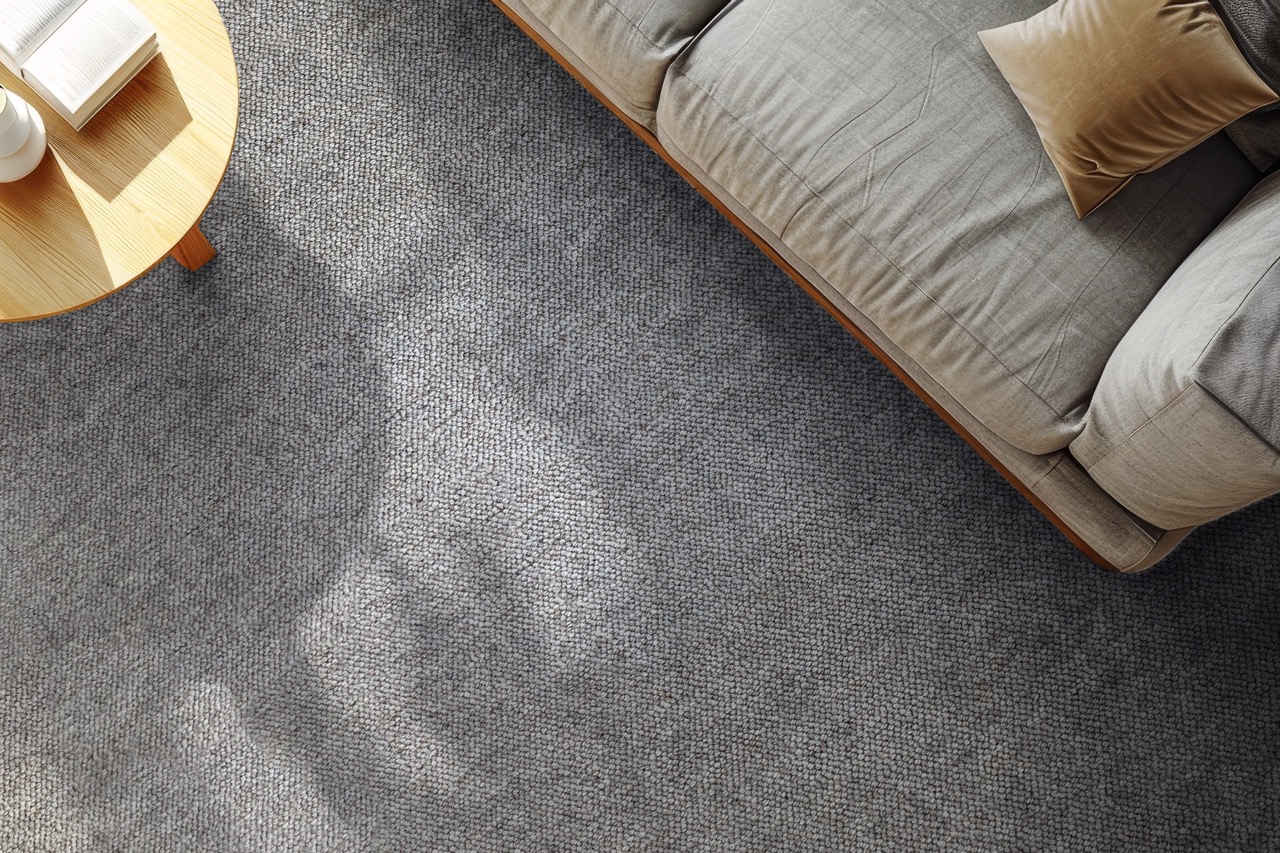
Carpet underlay is the cushioning layer between the subfloor and the carpet, and it does more for comfort and lifespan than most of the decisions made above it. For most Australian homes, a dense foam underlay around 8mm to 11mm thick is the sweet spot: softer underfoot, warmer, quieter, and years added to the carpet’s life.
Underlay is invisible from the day it is installed, which is exactly why it gets underestimated. Two identical carpets on different underlays feel like different products and age at different speeds. This guide explains what underlay does, the types available, how to choose thickness and density, and the few situations that change the answer.
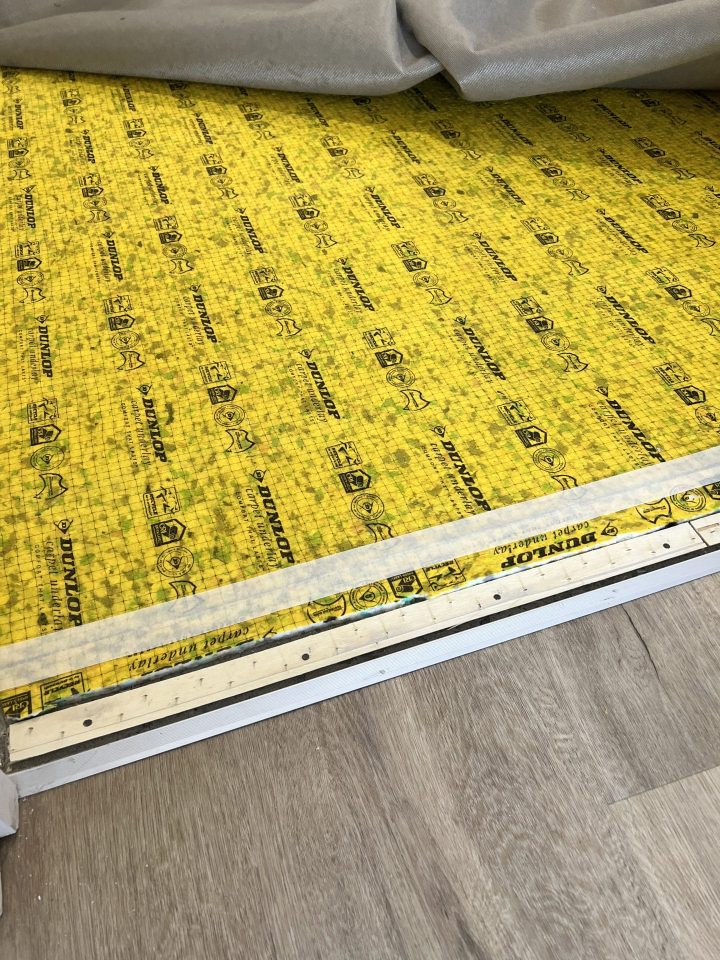
What Is Carpet Underlay?
Underlay is a resilient layer, most commonly made from recycled polyurethane foam, laid between the subfloor and the carpet. The carpet takes the appearance role; the underlay takes the engineering role. It absorbs the impact of every footstep, smooths minor subfloor imperfections, insulates against heat loss and noise, and gives the carpet something forgiving to flex against instead of a hard slab.
What Quality Underlay Actually Does
- Comfort – the softness you feel when you walk on carpet is mostly underlay. A dense, quality foam turns a flat-feeling floor into one you notice in bare feet.
- Carpet lifespan – underlay is a shock absorber. Without it, pile fibres are crushed against the subfloor with every step, and traffic lanes appear years early. Our guide to how long carpet lasts shows how much this matters.
- Thermal insulation – carpet and underlay together insulate noticeably better than carpet alone, which shows up in winter comfort and heating bills.
- Quiet – underlay absorbs both footfall noise in the room and transmitted noise to rooms below, which is why apartments often have minimum acoustic requirements.
- A flatter finish – underlay bridges small subfloor imperfections so the carpet presents evenly.
Carpet Underlay Types
- Foam (polyurethane) – the standard in Australian homes, usually made from recycled foam. Available in a wide range of densities and thicknesses, comfortable, and good value. The right choice for most rooms.
- Rubber – crumb or waffle rubber underlays are dense and hard wearing, with crumb rubber favoured for commercial settings and stairs, and waffle rubber offering a softer, springier feel.
- Felt and combination – firm underfoot with excellent insulation, sometimes chosen for formal rooms or under specific carpet constructions.
Thickness And Density Explained
Thicker is not automatically better; density is the number that matters. A thick but low-density underlay collapses under traffic and stops protecting the carpet, while a dense 8mm outperforms a spongy 11mm everywhere it counts. As a working rule: most living areas and bedrooms suit dense foam in the 8mm to 11mm range, while stairs and heavy traffic zones do better with a thinner, denser product that will not compress and destabilise underfoot. Your carpet’s warranty may also specify underlay requirements, so check the fine print before mixing and matching.
Underlay For Noise And Insulation
If noise matters, underlay is where to solve it. Upper floors, apartments and homes with hard-sleeping kids all benefit from underlays with strong acoustic ratings, which absorb impact sound before it travels through the structure. The same density that dampens sound also improves thermal insulation, so the quiet choice is usually the warm choice too.
Underlay And Underfloor Heating
Underfloor heating changes the brief: the underlay now needs low thermal resistance so heat passes through rather than being trapped below. Purpose-rated underlays exist for exactly this, and the heating manufacturer’s specifications should drive the choice. Using a standard high-insulation underlay over heating wastes energy and slows the system’s response.
When To Replace Underlay
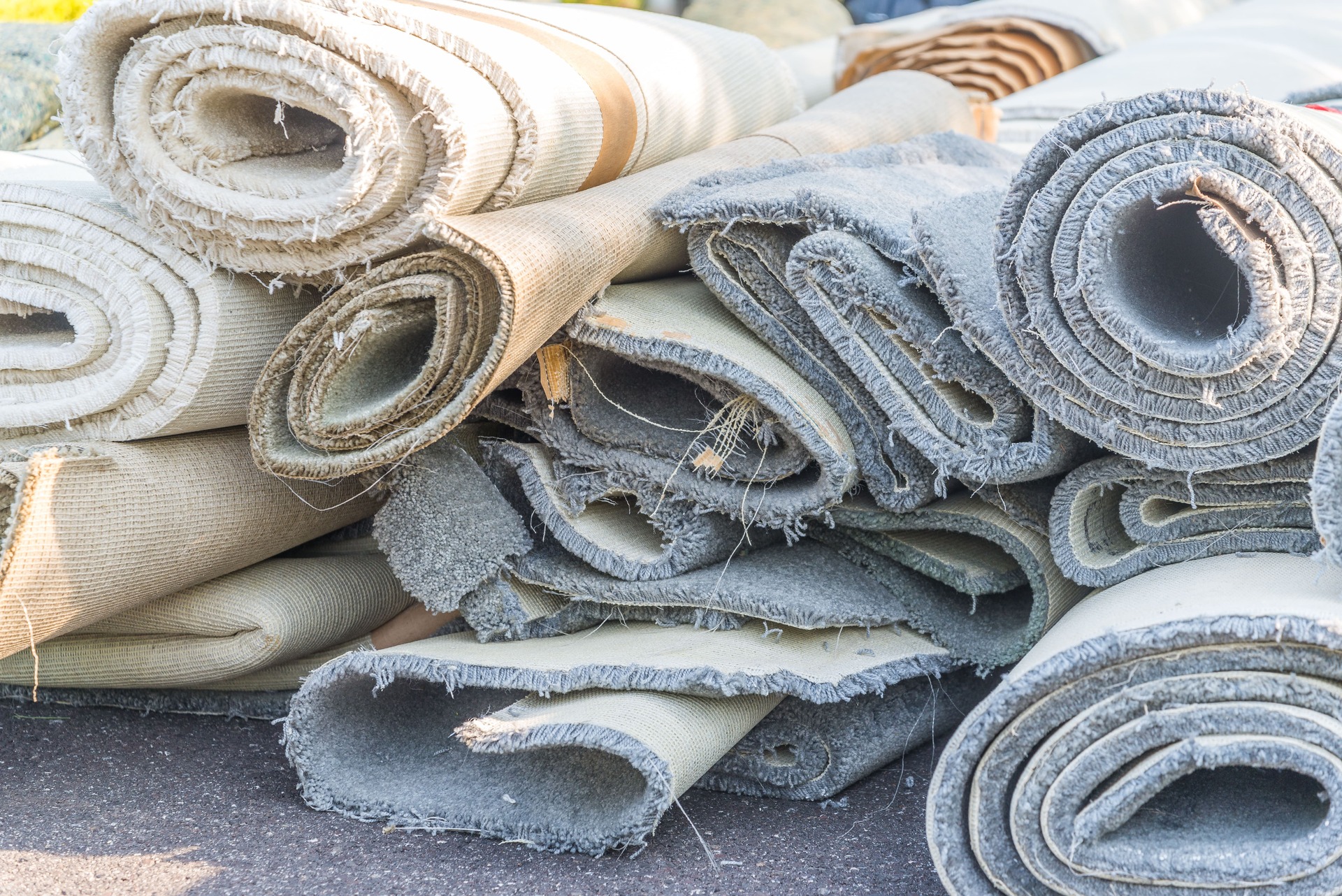
Always with new carpet. Old underlay has spent years being compressed into the shape of the previous carpet’s traffic patterns, and laying fresh carpet over it transfers those worn zones straight into the new floor. Underlay is a small share of the project cost, and reusing it undermines the much larger investment going on top. If existing carpet is rippling, feeling flat in the lanes, or bottoming out underfoot, the underlay beneath it has likely finished its working life too.
Frequently Asked Questions
- Is thicker carpet underlay better? – not by itself. Density determines protection and durability; thickness mainly adjusts feel. A dense 8mm to 11mm foam suits most homes, and stairs prefer thinner and denser again.
- Can I reuse old underlay under new carpet? – it is not recommended. Compressed underlay has lost the resilience that protects the new carpet, and worn traffic zones telegraph through. New carpet deserves new underlay.
- What underlay is best for stairs? – a thin, dense product, often crumb rubber or high-density foam. Soft thick underlay on stairs compresses unevenly and can make edges feel unstable.
- Does underlay reduce noise between floors? – yes, meaningfully. Acoustic-rated underlays absorb impact sound before it enters the structure, which is why strata buildings often mandate them.
- How much difference does underlay really make? – stand on the same carpet with and without it and the answer is obvious within seconds. It changes comfort immediately and lifespan over years.
Is carpet underlay toxic?
Modern underlay is made from foam, rubber or felt and is low-VOC. Like any new furnishing it can have a faint smell when first installed, which airs out quickly. Every underlay we supply meets current Australian standards.
Can old carpet underlay contain asbestos?
It is rare, and anything installed today is new, certified material. A small amount of underlay from the 1960s and 70s used recycled hessian that could carry contamination, so if your carpet dates back that far, simply mention the home’s age at your free measure. Our team sees older floors every week and will flag whether anything should be checked before the old flooring comes up.
Feel The Difference Before You Choose
Underlay is the one flooring decision your feet can judge better than your eyes. When our mobile showroom visits with our carpet range, you can stand samples on different underlays side by side and feel exactly what the upgrade buys, in the rooms it will live in. It pairs naturally with choosing the carpet itself, which our carpet buying guide walks through step by step. Book a free in-home measure and quote when you are ready.