Engineered Timber Flooring
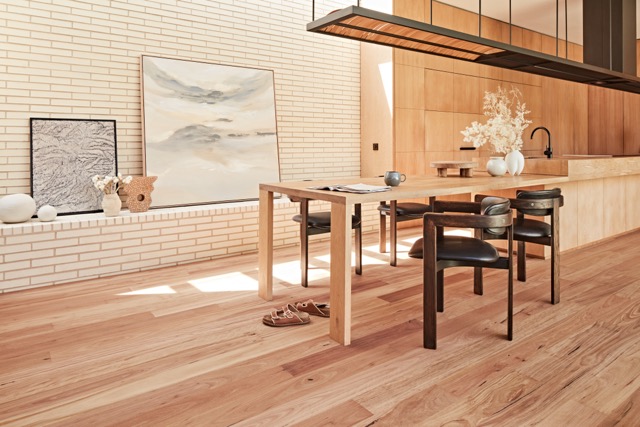
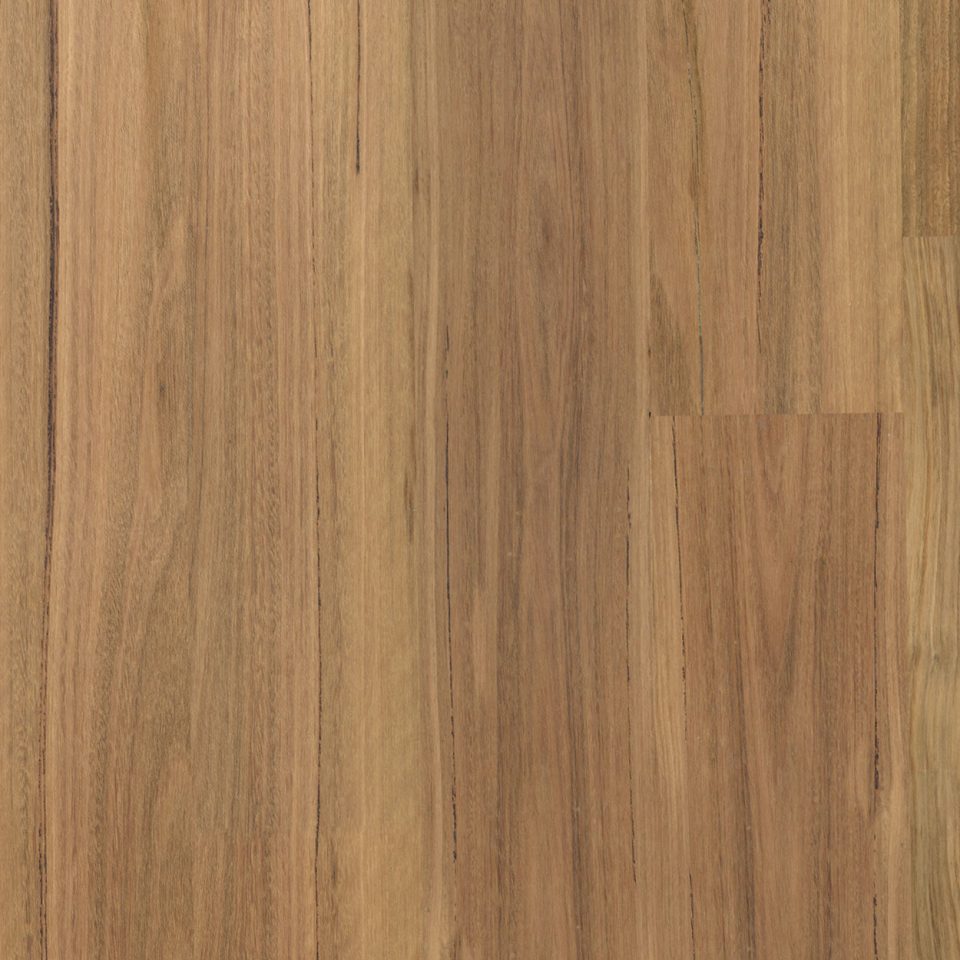
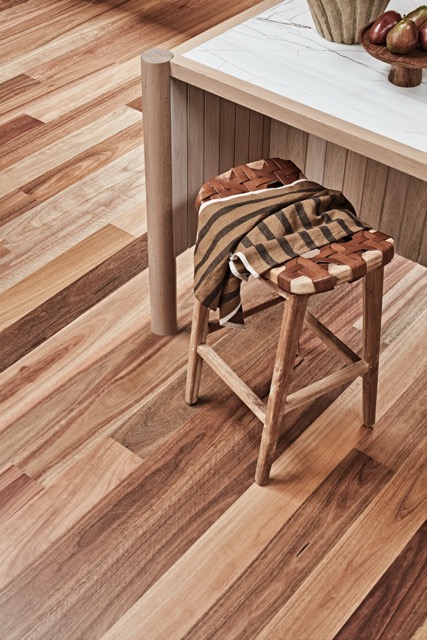
Engineered timber flooring is real hardwood, engineered to behave: genuine timber on the surface, with a layered core underneath that keeps boards flat and settled through Australian summers and winters. It is how most timber floors are laid today, and for good reason. See the boards in your own home, in your own light, and the measure and quote happen in the same visit.
Lifetime Install Guarantee
Mobile Showrooms
Award Winners
- See Flooring In Your Own Home
- FloorArt Collection 240
 Plank Size: 14mm thick, 2130mm long, 240mm wide Price: $$$ Luxurious
 4
4 - Forever Collection
 Plank Size: 13mm thick, 1820mm long, 190mm wide Price: $$$ Luxurious8
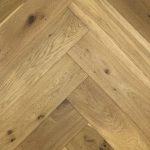
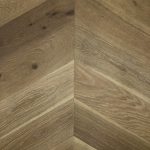
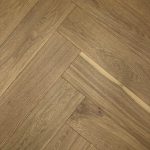
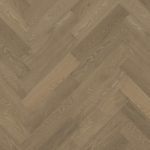
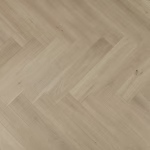
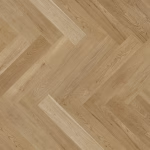
 - French Oak Parquet
 Plank Size: 14mm thick, 750mm long, 150mm widePrice: $$$ Luxurious5
 - Genuine Oak
 Plank Size: Available in three plank sizes: 15mm thick, 2200mm long, 240mm wide/15mm thick, 1900mm long, 190mm wide/14mm thick, 1900mm long, 190mm widePrice: $$ Mid Range20Best Seller
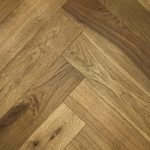
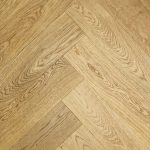
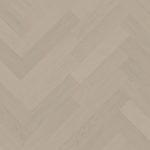
 - H Parquetry
 Plank Size: 14mm thick, 750mm long, 150mm widePrice: $$$ Luxurious9
 - HM Walk
 Plank Size: Available In Two Plank Sizes: 12.5mm thick, 1830mm long, 136mm wide 13.5mm thick / 1830mm long, 186mm widePrice: $$ Mid Range5
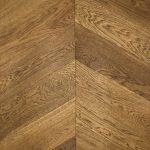
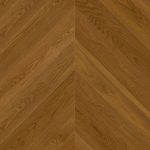
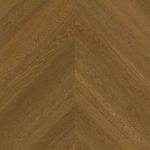
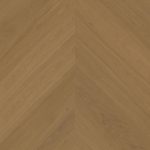
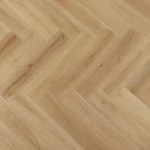
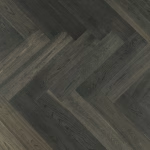
 - iDesign Chevron
 Plank Size: 15mm thick, 600mm long, 125mm widePrice: $$$ Luxurious8
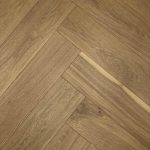
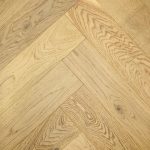
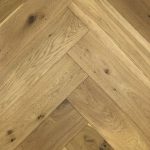
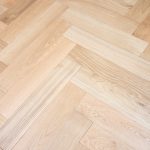
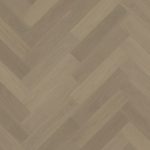
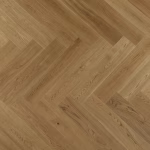
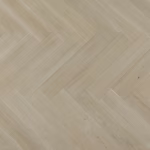
 - iDesign Herringbone
 Plank Size: 15mm thick, 600mm long, 125mm widePrice: $$$ Luxurious10
 - iDesign15
 Plank Size: 15mm thick, 1900mm long, 190mm widePrice: $$ Mid Range10Best Seller
 - Lux Oak
 Plank Size: 14mm thick, 1900mm long, 190mm widePrice: $$ Mid Range4
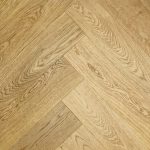
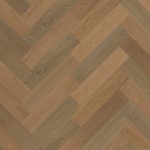
 - Maison Oak
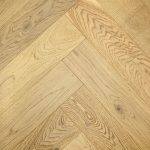
 Plank Size: 15/4mm thick, 190mm long, 190mm wide Price: $$$ Luxurious10
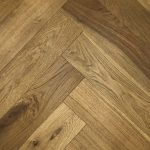
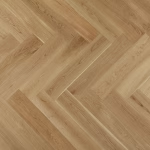
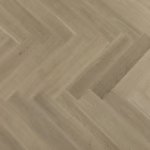
 - Maison Oak HerringbonePlank Size: 15/4mm thick, 750mm long, 150mm widePrice: $$$ Luxurious10
- Pioneer Brushed Standard
 Plank Size: 14mm thick, 1820mm long, 130mm wide or 2100mm longPrice: $$$ Luxurious2
 - Pioneer Brushed WidePlank Size: 14mm thick, 1820mm long, 180mm wide or 2100mm longPrice: $$$ Luxurious2
- Pioneer Satin
 Plank Size: 14mm thick, 1820mm long, 136mm wide or 2100mm long (Tassie Oak 170mm wide)Price: $$$ Luxurious3
 - Ridgeview
 Plank Size: 12/1.2mm thick, 1900mm long, 190mm wide Price: $ Affordable8
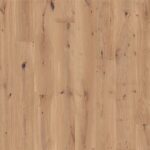
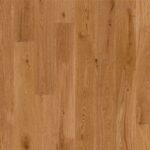
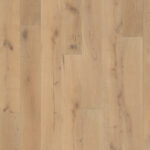
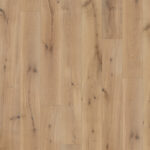
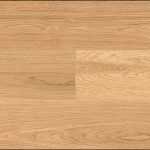
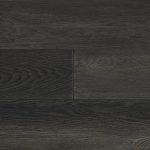
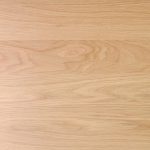
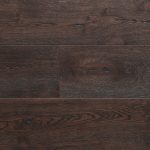
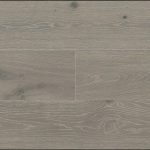
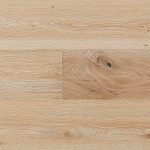
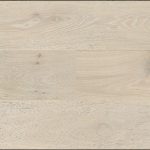
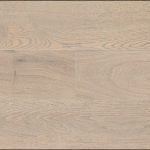
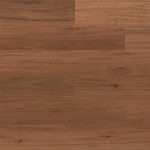
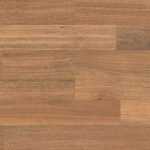
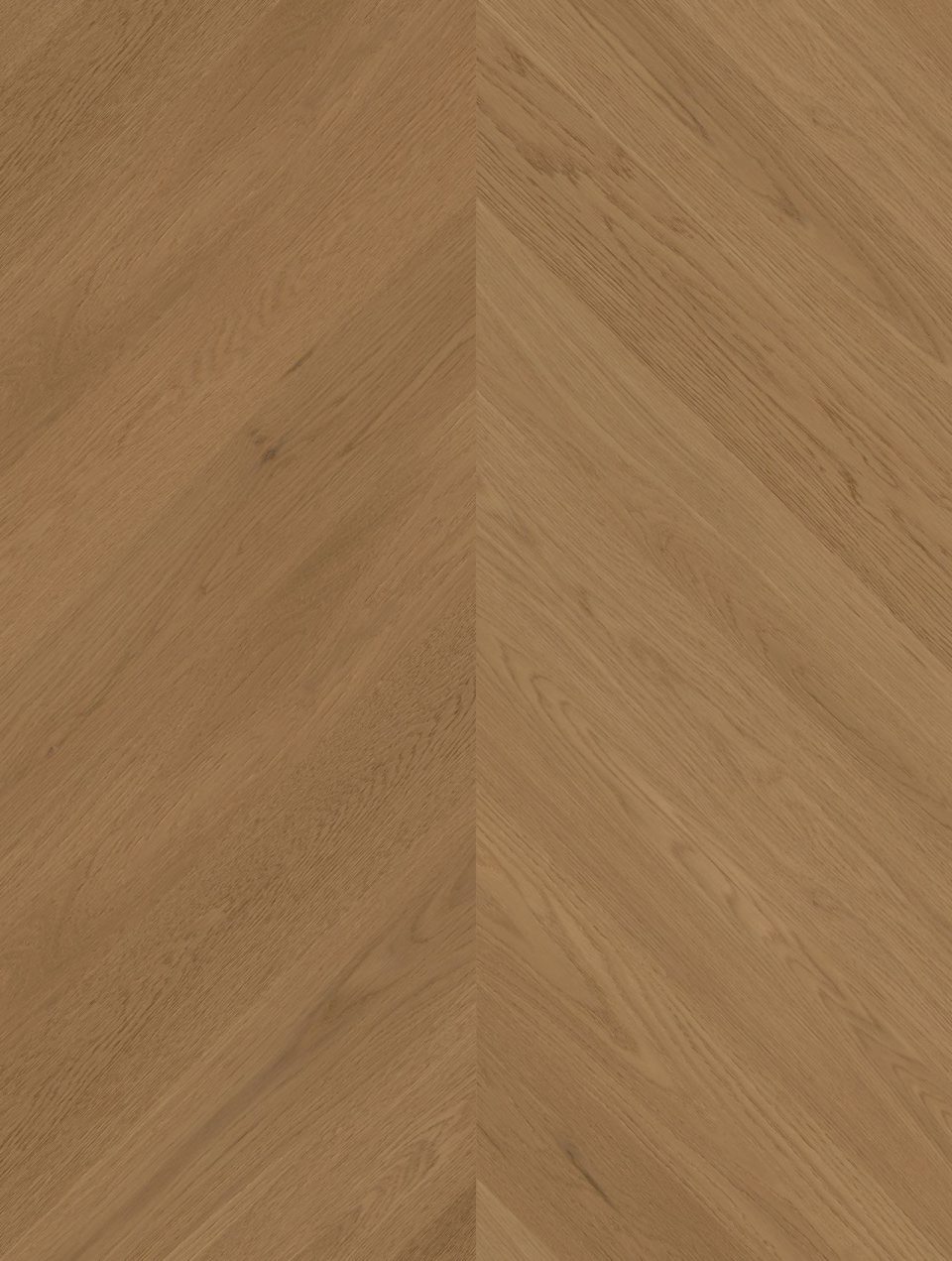
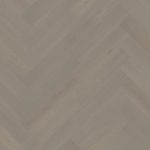
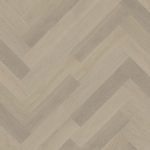
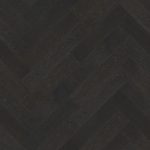
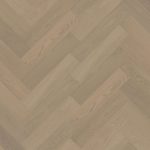

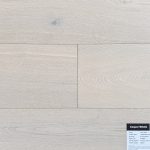
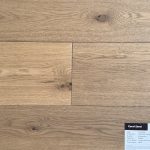
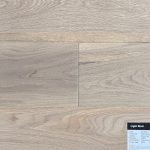

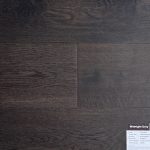
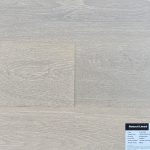
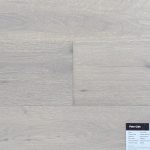

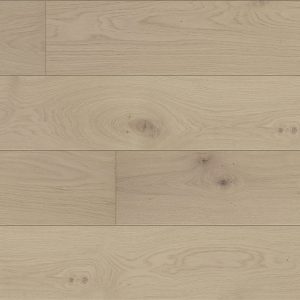
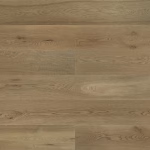
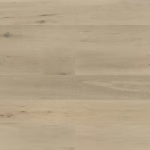
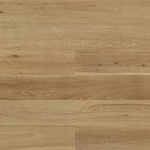
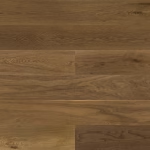
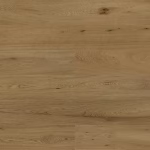
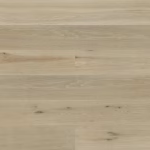
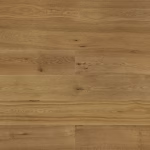
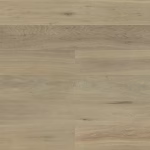
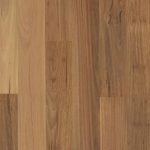
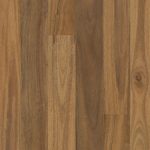
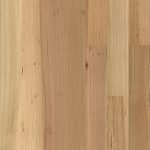
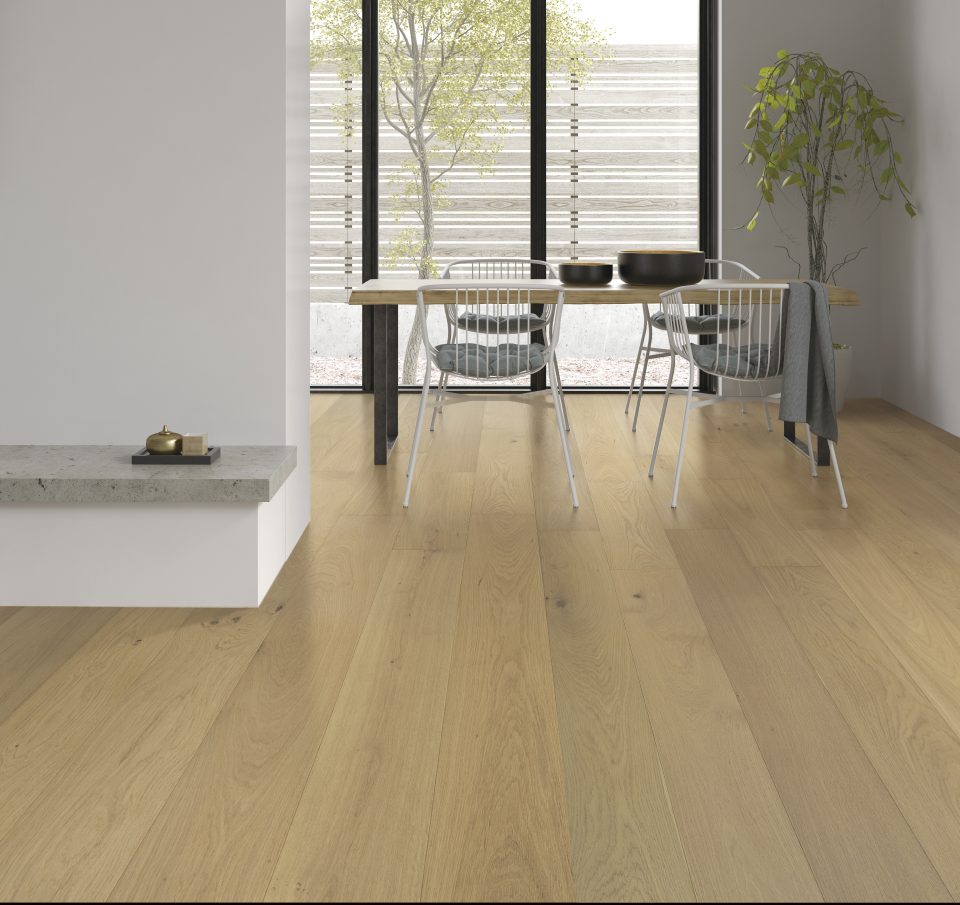
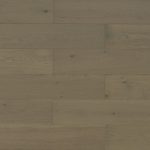
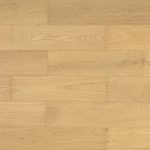
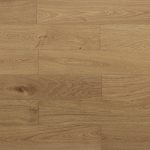
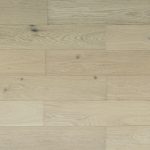
Free In-Home Measure & Quote
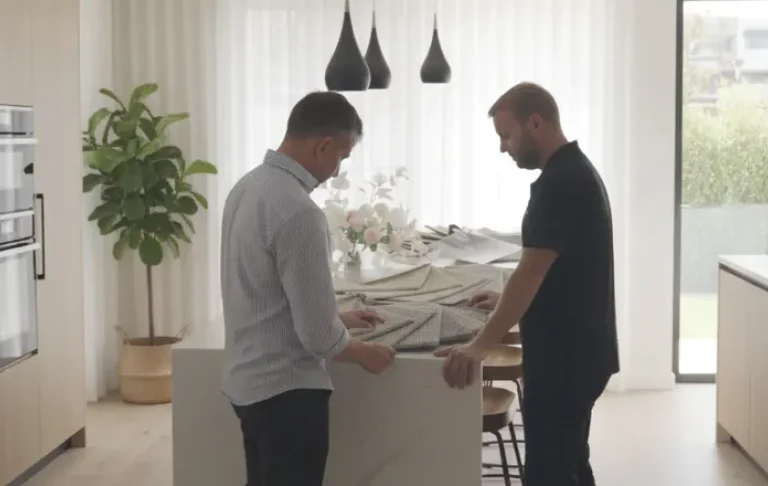
Booking your free measure and quote couldn’t be easier. With real-time online availability, you can choose a time that suits you in just minutes. Our friendly flooring experts bring the showroom to you, with samples to compare in the comfort of your own home. No pressure, no obligation, just advice you can trust.

Marie Dewhurst
Love my new flooring. The lovely men who laid the flooring were extremely hard working and thorough. Thank you to Johnie, Austin and Zane. Great quality. Would definitely recommend this...
Read More
Ray Turner
I am pleased to recommend Beare flooring after what I consider to be an excellent job of laying my hybrid timber floors. My project had quite a few challenges such...
Read More
Sally Baker
From our initial call to Beare Flooring to the final laying of our amazing new carpet, it has been a professional and easy purchase. The whole team are friendly, knowledgeable...
Read More
Debora Smart
Really excellent at home service with this company from start to finish. Anne was a delight to work with. Great communication and timeliness....
Read More
Tracey Hu
Had Luke replaced the carpet and installed slip strips for two of our stairwells. Had to delay as strips stock shortage but the job was done beautifully and professionally! The...
Read More
Jiro T
We had a problem, but Alex solved it and he finished the carpet very nicely. I will definitely recommend. Thank you Stephen, Alex and Beare Flooring!!...
Read More
Marlene Scicluna
Our experience with Team Beare was simply exceptional! We had our carpet replaced with Aquastone flooring & we couldn’t be happier! Nick’s recommendations based on our decor made our home...
Read More
Kylie Leeden
We recently had over 100 square meters of Aqua stone hybrid flooring laid. Stephen from Beare flooring was so easy to deal with and recommended the best product for our...
Read MoreJordan Kidas
Working with William and his team was a fantastic experience. They were incredibly easy to collaborate with, offering the best pricing and making the entire process smooth and enjoyable....
Read More
Mitchl
They were a friendly team who provided an excellent finished product at a competitive price. I would recommend them to anyone wanting to replace their floor. They had a wide...
Read MoreTable of contents
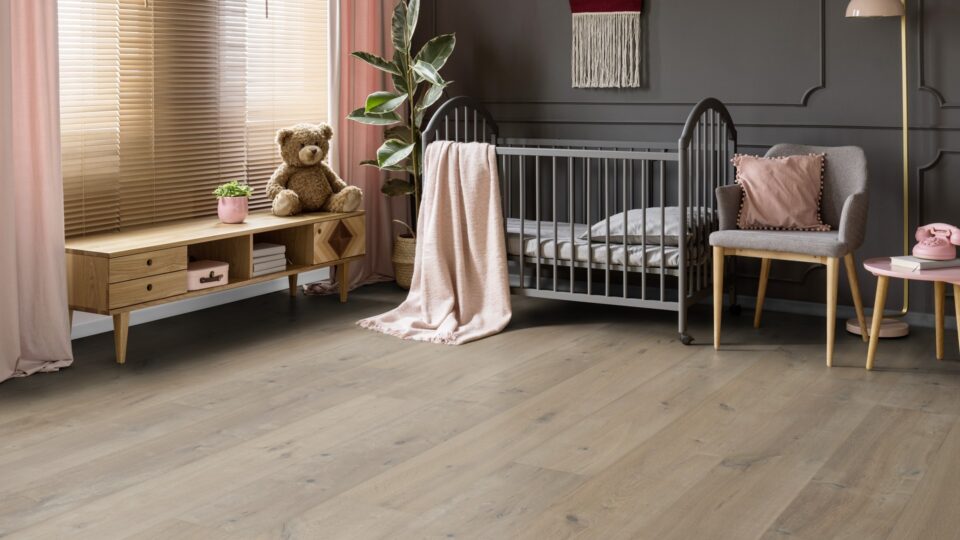
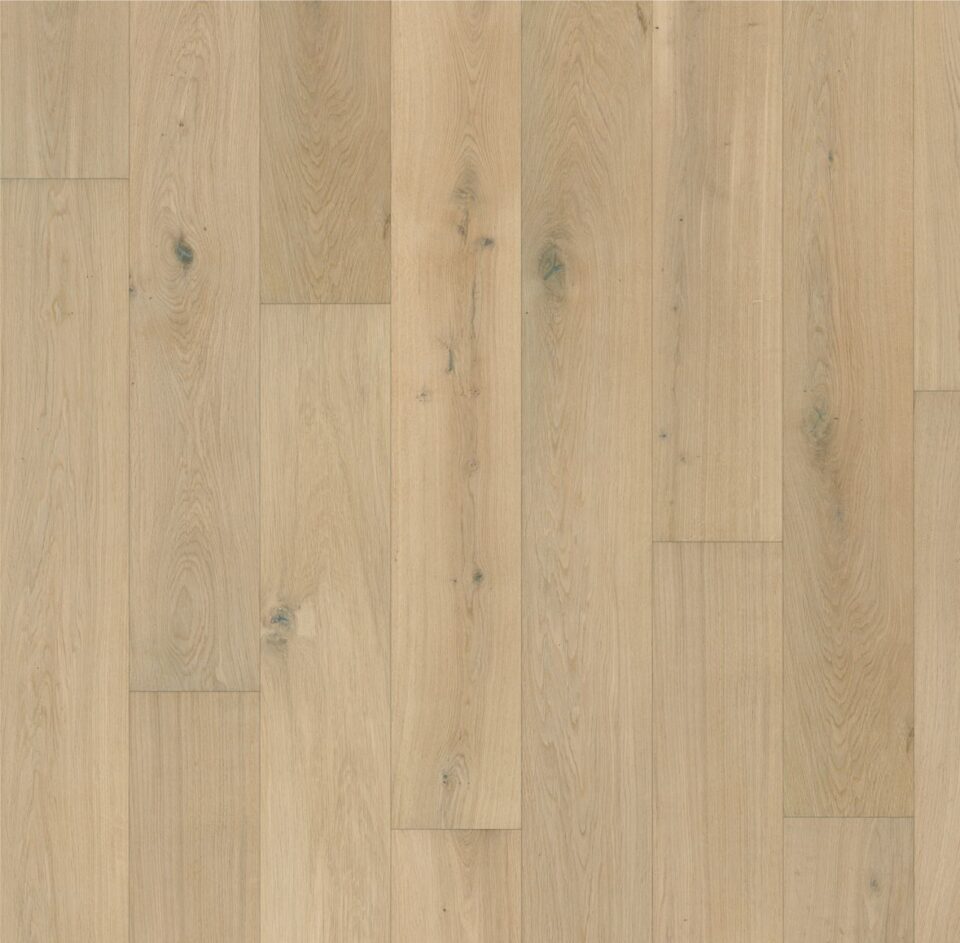
Engineered timber flooring gives you a real wood surface on top of a clever layered construction. Every board has a genuine timber top layer bonded to a stable core, so you get the look, feel and warmth of natural wood in a floor designed for everyday family life.
It has become one of the most popular ways to bring real timber into Australian homes. The layered build helps each board stay flat and stable as seasons change, and most boards arrive pre-finished, so there is no sanding or coating after installation.
This guide explains how engineered timber flooring is made, what the wear layer means for the life of your floor, how it is installed and what drives the price. By the end, you will know exactly what to look for when comparing boards.
What Is Engineered Timber Flooring?
Engineered timber flooring is real wood flooring made from layers. A genuine hardwood surface, called the wear layer, is bonded to a structural core built from multiple layers of timber or a high density fibreboard (HDF). The word "engineered" describes the construction, not the material. The surface you walk on is natural timber, complete with real grain, texture and character.
This is what separates it from laminate, which uses a printed image of timber rather than the real thing. Once installed, an engineered floor looks the same as a solid timber floor because the visible surface is the same natural product.
Engineered boards sit within the wider timber flooring family, alongside solid timber. Most new timber floors installed in Australian homes today are engineered, largely because of how the layered construction handles our climate.
How Engineered Boards Are Constructed
A typical engineered board has three parts, and each one has a job to do.
- Wear layer - the top layer of real hardwood, usually between 0.6mm and 6mm thick. This layer gives the board its species, colour and grain, and it is the part that can be re-sanded on thicker boards.
- Core - the engine room of the board. Multi-ply cores use thin layers of timber glued with the grain running in alternating directions, which helps counteract the natural movement of wood. Some boards use an HDF core instead, which is dense, uniform and dimensionally stable.
- Backing layer - a balancing veneer on the underside that keeps the board straight and supports the structure from below.
Boards are finished at the factory, usually with several coats of UV-cured lacquer or a natural oil. Factory finishing happens in controlled conditions, so the coating tends to be more consistent than a coating applied on site. It also means you can walk on your new floor as soon as installation is complete.
Wear Layers And Re-Sanding
The wear layer is the real timber you see and walk on, and its thickness affects what can be done with the floor later in its life.
Boards with a wear layer of around 2mm or more can generally be lightly re-sanded and re-coated once. Thicker wear layers of 4mm to 6mm may allow more than one re-sand over the decades, depending on the board and how evenly it wears. Boards with very thin veneers are not designed to be sanded, so the factory finish needs to last the life of the floor.
It is tempting to judge a board on wear layer thickness alone, but that only tells part of the story. Core quality, the way the layers are bonded, the grade of the timber and the durability of the factory finish all influence how a floor performs day to day. A well-made board with a moderate wear layer and a hard-wearing coating can outperform a thicker board with a soft finish. Always look at the whole board, not just one number.
Board Formats And Widths
Engineered construction allows wider and longer boards than solid timber can reliably offer, because the layered core keeps big boards stable.
- Width - common boards run from around 130mm up to 240mm or wider. Wide boards show more of the timber's grain and can make open-plan rooms feel calm and spacious. Narrower boards suit smaller rooms and traditional homes.
- Length - many ranges offer boards up to 2200mm long. Longer boards mean fewer end joins across the floor.
- Thickness - overall board thickness typically sits between 10mm and 21mm. Thicker boards often carry thicker wear layers and feel more solid underfoot, though the installation method also plays a role there.
- Edges and profiles - most boards have a subtle micro-bevel on each edge that defines every plank. Boards join by tongue and groove or a click-lock profile, depending on the range.
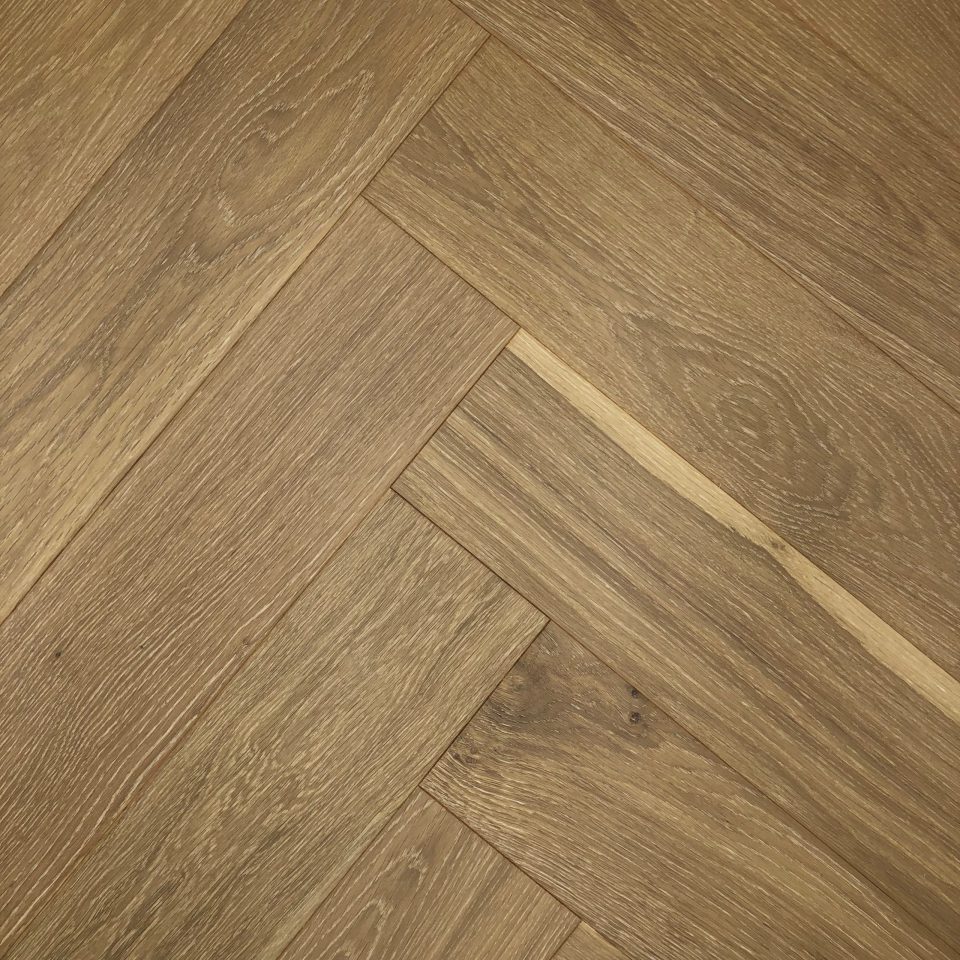
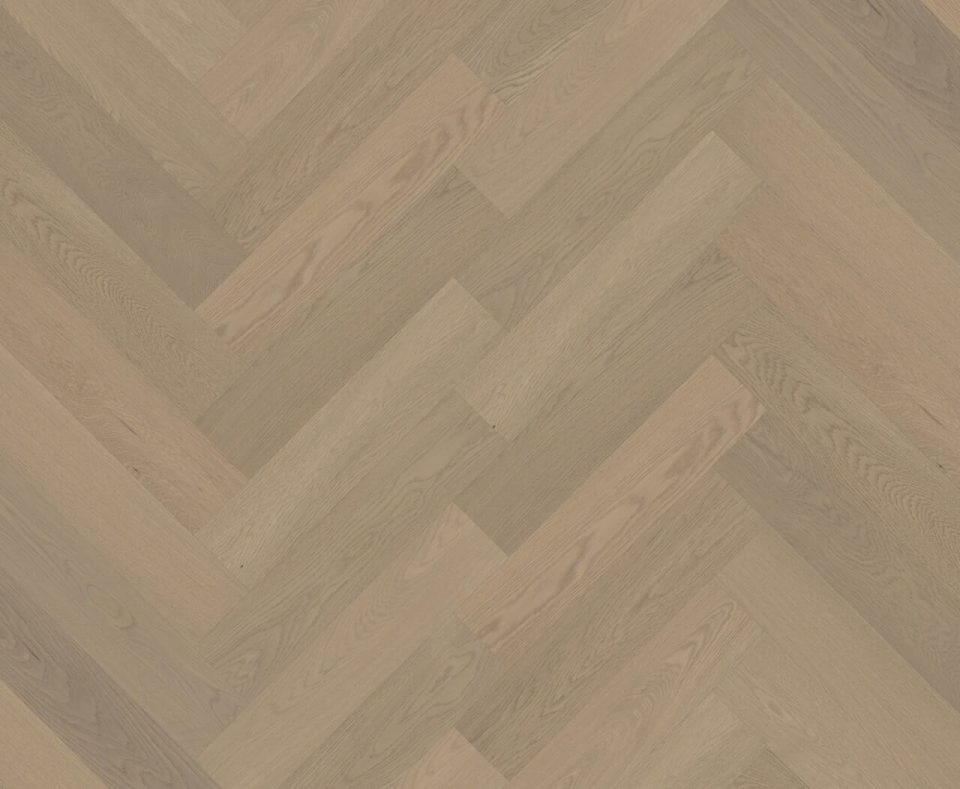
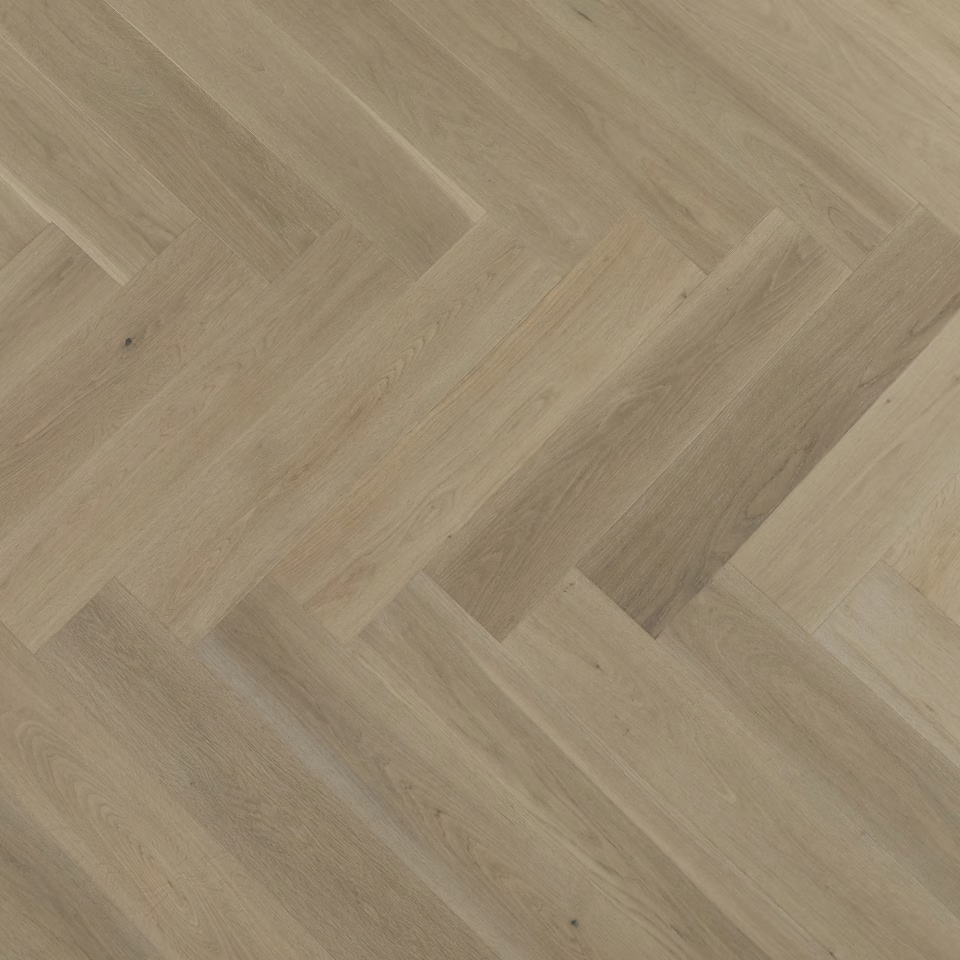
Herringbone and chevron formats are also made in engineered construction. Our timber flooring page compares laying patterns in more detail if you are weighing up plank against parquetry.
Why Engineered Timber Suits Australian Conditions
Timber is a natural material, and it responds to the air around it. When humidity rises, wood absorbs moisture and expands. When the air dries out, it releases moisture and shrinks. Australian homes see plenty of both, often within the same week.
The cross-layered core of an engineered board is designed to manage this movement. Because the grain of each layer runs in a different direction, the layers work against each other, which helps the board resist cupping, gapping and swelling. That is why engineered boards can be made wider than solid boards and why they are the usual choice over concrete slabs, in air-conditioned homes and in climates with big seasonal swings.
Many engineered floors are also compatible with hydronic underfloor heating, something solid timber rarely handles well. Compatibility varies between products, so always confirm with the manufacturer before pairing any timber floor with underfloor heating.
No timber floor is immune to extremes. Stable indoor conditions, correct moisture barriers and an installation that follows the manufacturer's instructions all help an engineered floor perform the way it was designed to.
Floating Or Glue-Down Installation?
Engineered timber flooring is installed in one of two main ways, and the choice affects both the feel of the floor and the price of the job.
- Floating installation - boards click or glue together at the joins and sit on an underlay rather than being fixed to the subfloor. Floating floors are quicker to install, which usually keeps labour costs down, and the underlay adds a little cushioning and sound absorption. There can be slightly more movement and sound underfoot compared with a glued floor.
- Glue-down installation - boards are adhered directly to the subfloor with a flexible timber adhesive. The result feels firm and quiet underfoot, much like solid timber. Glue-down takes more preparation and more labour, so it costs more, but it is often recommended for wide boards, parquetry patterns and underfloor heating.
Whichever method suits your home, preparation matters. Subfloors need to be flat, dry and sound, and concrete slabs should be moisture tested before installation begins. Expansion gaps are left around the edges of the room so the floor has space to move naturally with the seasons.
How Engineered Timber Compares To Other Floors
Engineered timber sits alongside several timber-look options, and each suits a different situation.
- Engineered vs solid timber - both are real wood, but the layered core makes engineered boards more stable and simpler to install over concrete. Our timber flooring page covers this comparison in depth.
- Engineered vs laminate - laminate uses a printed image of timber over an HDF core, which keeps the price down and resists scratching well. Engineered gives you genuine timber, natural variation and the option to re-sand thicker boards.
- Engineered vs hybrid - hybrid flooring is a waterproof rigid-core floor with a printed timber look, practical for laundries and moisture-prone rooms. Engineered offers the authenticity and warmth of real wood in living spaces and bedrooms.
If you are still weighing up flooring types across the whole home, our guide to choosing flooring for Australian homes compares every major option in one place.
Caring For Engineered Timber Flooring
Engineered floors are straightforward to look after, and a simple routine keeps the finish looking natural for years.
- Sweep or vacuum regularly - grit acts like sandpaper underfoot, so a soft-brush vacuum or dry mop once or twice a week makes a real difference.
- Damp mop, never wet - use a well-wrung mop with a pH-neutral timber floor cleaner. Avoid steam mops, which can force moisture into the joins.
- Wipe spills promptly - timber and standing water are not friends. A quick wipe prevents marks and swelling.
- Protect the surface - felt pads under furniture, mats at entrances and rugs in heavy-traffic zones all reduce wear on the finish.
- Manage sunlight - timber changes colour with UV exposure. Curtains or blinds help the floor age evenly, and moving rugs occasionally avoids patchy colour change.
Oiled finishes benefit from a maintenance oil every few years, while lacquered floors simply need cleaning. Check the care guide for your specific floor, as recommendations vary between manufacturers.
What Does Engineered Timber Flooring Cost?
Engineered timber pricing varies widely, and understanding the drivers makes quotes much easier to compare. The main factors are:
- Timber species and grade - the species of the wear layer and the amount of natural character allowed in the grade both influence price.
- Wear layer and board build - thicker wear layers, multi-ply cores and longer, wider boards use more material and cost more to produce.
- Finish - hard-wearing lacquers, natural oils and specialty surface treatments such as brushing or smoking sit at different price points.
- Format - herringbone and chevron cost more than plank, both in board price and in the extra labour and cutting waste of pattern laying.
- Installation method - glue-down involves adhesive and more labour than a floating installation.
- Subfloor preparation - levelling, moisture barriers and slab treatment are quoted per job and depend entirely on your home's condition.
- Room layout - stairs, trims, floor removal and disposal, and rooms with many angles all add time to an installation.
Because so much depends on your home, a floor price on its own never tells the full story. An itemised quote that covers boards, preparation, installation and finishing trims lets you see exactly where every dollar goes.
See Engineered Timber In Your Own Home
Installation methods and requirements can vary between states and territories. Always follow the manufacturer's installation instructions for your chosen floor. If you are unsure about compliance requirements, confirm them with your local authority, building certifier or governing body, such as the QBCC in Queensland.
Ready to see real timber in your own light? Our mobile showrooms bring engineered timber samples directly to your home, so you can compare colours and textures in the rooms where they will be installed. Book a free measure and quote, and you will receive an itemised, on-the-spot price with no pressure and no obligation.
Frequently Asked Questions
How Long Does Engineered Timber Flooring Last?
A well-made engineered floor that is installed correctly and cared for can last 20 to 30 years or more. Boards with thicker wear layers can be re-sanded and re-coated, which extends their life further. Quality of the board, the finish and everyday care all play a part.
How Many Times Can Engineered Timber Flooring Be Re-Sanded?
It depends on the wear layer. Boards with around 2mm of timber above the tongue can usually take one light sand and re-coat. Wear layers of 4mm to 6mm may allow two or more over the floor's life. Very thin veneers are not designed to be sanded at all.
What Wear Layer Thickness Should I Choose?
There is no single right answer. Thicker wear layers allow future re-sanding, but thickness is only one factor. Core construction, timber grade and the durability of the factory finish matter just as much. A quality board with a moderate wear layer often outperforms a thicker board with a soft coating.
Is Engineered Timber Flooring Waterproof?
No. Engineered timber is more moisture resistant than solid timber because of its layered core, but it is still real wood and not waterproof. Wipe up spills promptly and avoid wet mopping. For wet areas such as laundries, a waterproof floor like hybrid is usually a more practical choice.
Can Engineered Timber Be Installed Over A Concrete Slab?
Yes, and this is one of its strengths. Boards can be floated over an underlay with a moisture barrier or glued directly to the slab with a suitable adhesive. The slab should be flat, dry and moisture tested first, following the manufacturer's installation instructions.
Is Engineered Timber Flooring Suitable For Underfloor Heating?
Many engineered floors are compatible with hydronic underfloor heating because the layered core handles gentle temperature change better than solid timber. Compatibility and maximum surface temperatures vary between products, so always confirm with the manufacturer before installation.
Does Engineered Timber Flooring Scratch Easily?
The surface is real timber, so it can scratch, but modern factory finishes are designed to resist everyday wear. Lacquered finishes resist scratches well, while oiled finishes mark a little more easily but can often be spot repaired. Felt pads, mats and regular sweeping reduce scratching noticeably.
Is Engineered Timber Flooring Good For Pets?
Yes, with sensible care. Keep claws trimmed, place mats near water bowls and wipe up accidents promptly. A hard-wearing lacquered finish in a timber with visible grain helps hide the small marks of everyday pet life. Deep scratches on thicker boards can be improved with a re-sand later on.
What Is The Difference Between Engineered Timber And Laminate?
Engineered timber has a surface of real hardwood, while laminate has a printed image of timber sealed under a clear wear surface. Laminate costs less and resists scratching well. Engineered gives you genuine timber character, adds natural warmth and can be re-sanded if the wear layer is thick enough.
Should Engineered Timber Be Floated Or Glued Down?
Both methods work well when done properly. Floating is quicker and usually costs less, while glue-down feels firmer and quieter underfoot and is often recommended for wide boards, parquetry and underfloor heating. The right choice depends on your subfloor, the board and your priorities.