For the hardest working areas of a home, hybrid flooring is the pick: a thick wear layer over a waterproof core that treats hallway traffic, kitchen spills and entryway grit as routine. Where carpet is wanted in a busy zone, a dense loop or textured cut pile in solution dyed nylon is the construction that survives. In commercial spaces, the answer changes again: look for commercial-rated wear layers and carpet tiles.
Entryways, hallways, stairs, kitchens and open-plan living areas take more footsteps in a week than a bedroom sees in a month, and they collect the grit, spills and sunlight that age floors early. This guide covers what actually makes a floor traffic-proof, how each flooring type performs under pressure, and where each one belongs. For the whole-home picture, our room-by-room flooring guide pairs well with this one.
What High Traffic Does To Floors
- Abrasion – grit carried on shoes works like sandpaper, dulling surfaces and flattening carpet pile along the walking lanes.
- Scratches and scuffs – claws, dragged furniture and dropped objects test the surface hardness daily.
- Moisture – busy zones are where drinks travel and weather walks in.
- Sun – traffic spines often run past big windows, adding UV fade to the workload.
What To Look For In High Traffic Flooring
- Wear layer thickness – on hybrid and vinyl, this is the number that predicts lifespan. 0.5mm or more suits busy homes; commercial spaces go thicker again.
- Surface hardness ratings – laminate’s AC ratings work the same way: AC4 for busy homes, AC5 for commercial duty.
- Density over height – in carpet, a dense low pile outwears a tall soft one every time.
- Water resistance – traffic zones and spills travel together, so waterproof construction removes a whole category of worry.
- Matt, textured finishes – they hide the fine scratches and footprints that gloss surfaces advertise.
Hybrid Flooring: The All-Rounder
Hybrid flooring was built for exactly this brief. The rigid core stays flat and solid under constant footsteps, the wear layer shrugs off grit and claws, and the waterproof construction means the kitchen end of an open-plan space gets the same floor as the lounge end. Choose a quality wear layer and a matt timber-look finish, and the traffic spine of the home is handled for 15 years or more.
High Traffic Vinyl Flooring
Vinyl planks answer the same questions with a softer, quieter surface. Glue-down vinyl in particular suits heavy rolling loads and busy kitchens, because every plank is bonded to the subfloor and cannot shift. Commercial-grade vinyl with thicker wear layers is the standard in shops and offices for good reason, and the same logic scales down to hard-working homes.
Laminate For Scratch Resistance
Laminate’s melamine surface is the hardest of the timber-look floors, which makes it the scratch champion for dry, busy areas like hallways and living rooms. Match the AC rating to the duty (AC4 and up for real traffic) and keep it out of wet zones, where its timber-based core needs protecting. Our hybrid vs laminate comparison weighs the trade-offs.
Carpet In High Traffic Areas
Carpet can absolutely serve busy zones when the construction is right: a dense loop pile or tightly twisted cut pile in solution dyed nylon, in a mid-tone fleck that disguises the lane. Softness takes a back seat to density here, and the reward is a warm, quiet corridor that still presents well at year ten. Our carpet buying guide explains how to judge density in the store or at home.
Commercial And Multi-Residential Spaces
Once traffic goes from family to public, ratings matter more than looks. Commercial-rated vinyl and hybrid with heavy wear layers, and carpet tiles that can be lifted and replaced tile by tile, are the fit-for-purpose answers in offices, shops and multi-residential corridors. Carpet tiles in particular earn their keep where individual zones wear at different rates, because maintenance is a swap rather than a refit.
Where Traffic Hits Hardest
- Entryways – grit central. Hard flooring plus a generous walk-off mat protects everything beyond it.
- Hallways – the compressed traffic lane of the home; hybrid, laminate or dense carpet only.
- Stairs – concentrated wear on every tread edge; dense carpet with firm underlay, or timber-look treads rated for the duty.
- Kitchens – traffic plus spills; waterproof planks win.
- Living areas – the balance point of durability and comfort, and why hybrid dominates modern open plans.
Frequently Asked Questions
- What is the best flooring for high traffic areas in a home? – hybrid flooring, for the combination of thick wear layers, waterproof core and low upkeep. Laminate competes hard in dry zones, and dense solution dyed nylon carpet suits homes that want warmth in the corridor.
- What wear layer thickness do I need? – 0.5mm and up for busy residential areas on hybrid and vinyl. Lighter-duty rooms manage with less, and commercial spaces should step up again.
- What flooring lasts longest under heavy use? – with the right ratings, commercial vinyl and quality hybrid lead the pack, with dense loop pile carpet the surprise stayer on the soft side. Construction quality beats product category.
- What carpet works for high traffic areas? – dense loop or textured cut pile in solution dyed nylon, mid-tone and flecked. Density is the spec that matters; softness is for bedrooms.
- What flooring suits multi-residential or commercial corridors? – commercially rated products: heavy wear-layer vinyl or hybrid, and carpet tiles that allow zone-by-zone replacement as wear patterns emerge.
Testing The Contenders Where They Will Live
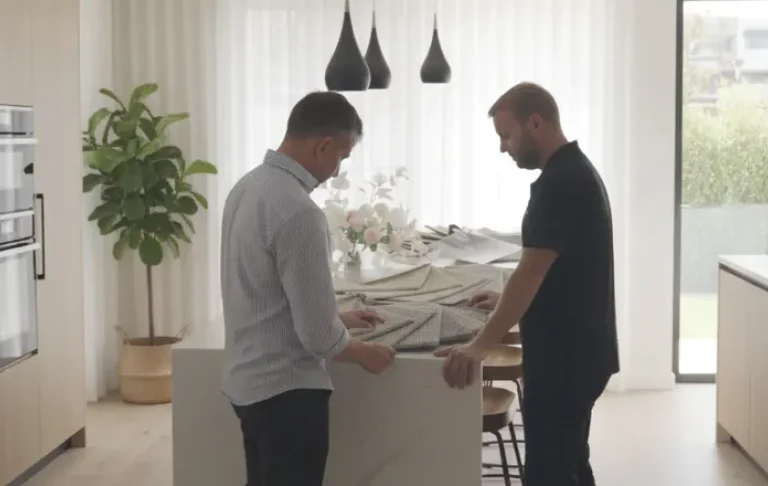
Traffic performance is invisible in a brochure, but easy to judge with the products in hand: part the carpet pile, feel the wear layer, compare matt finishes against your light. Our mobile showroom brings our hybrid, vinyl and carpet ranges to your home or site, with straight advice on ratings and specifications for the way the space is really used, and a professional measure in the same visit. Book a free measure and quote when you are ready.