By Team Beare. Updated October 2026.
Laminate flooring has earned its place in Australian homes for good reason. It delivers a realistic timber look in many finishes, can suit busy areas and comes in a wide range of colours and styles. It is a genuinely practical product, and for many homeowners it is exactly the right choice.
But like any flooring product, laminate works best in the right conditions. Understanding its characteristics before you buy helps you choose with confidence and avoid the kinds of problems that come from using it in the wrong space.
What Makes Laminate Flooring Different
Laminate is a layered product. At its core sits a high-density fibreboard (HDF) board, topped with a printed image layer and protected by a clear wear layer. That combination is what gives laminate its timber look and hard-wearing surface, and it is also what shapes its limitations.
The HDF core can be affected by prolonged moisture. Understanding how that affects your choice is one of the most useful things you can do before selecting a floor.
The Characteristics Worth Knowing Before You Buy
-
Moisture and water sensitivity. Some laminate ranges offer water resistance, but this varies by product; do not assume the entire floor is waterproof. Spill tolerance depends on the particular product. Prolonged exposure to moisture, whether from flooding, persistent leaks or consistently wet conditions, can cause the HDF core to swell, particularly at joints and edges. For bathrooms and laundries, check product suitability and the installation and building requirements before making a choice.
-
It cannot be sanded or refinished. Unlike solid timber and some engineered timber products, laminate cannot be sanded back and given a fresh surface. The wear layer is fixed. Once it shows significant scratching or surface damage, the affected plank needs replacing rather than restoring. This makes the wear layer rating an important factor when comparing products.
-
Sound and feel underfoot. Some homeowners find laminate has a slightly hollow feel compared to timber or hybrid flooring, and footstep noise can be more noticeable on a bare subfloor. An underlay approved for the particular flooring system may improve comfort or acoustics. Compare the specifications of the complete system.
-
Temperature movement. Laminate expands and contracts with changes in temperature. Installation requirements vary between products and manufacturers, including any expansion provisions needed at perimeters and transitions. Following the specific guidelines for the product you choose is important for long-term performance.
-
Limited repair options. If a plank is damaged and the same product is still available, it can be replaced. If the range has since been discontinued or the floor has aged, matching a replacement is difficult. Keeping a small number of spare boards after installation is worth considering for this reason.
Where Laminate Works Well
None of these characteristics make laminate a poor choice. They simply define the spaces where it performs best.
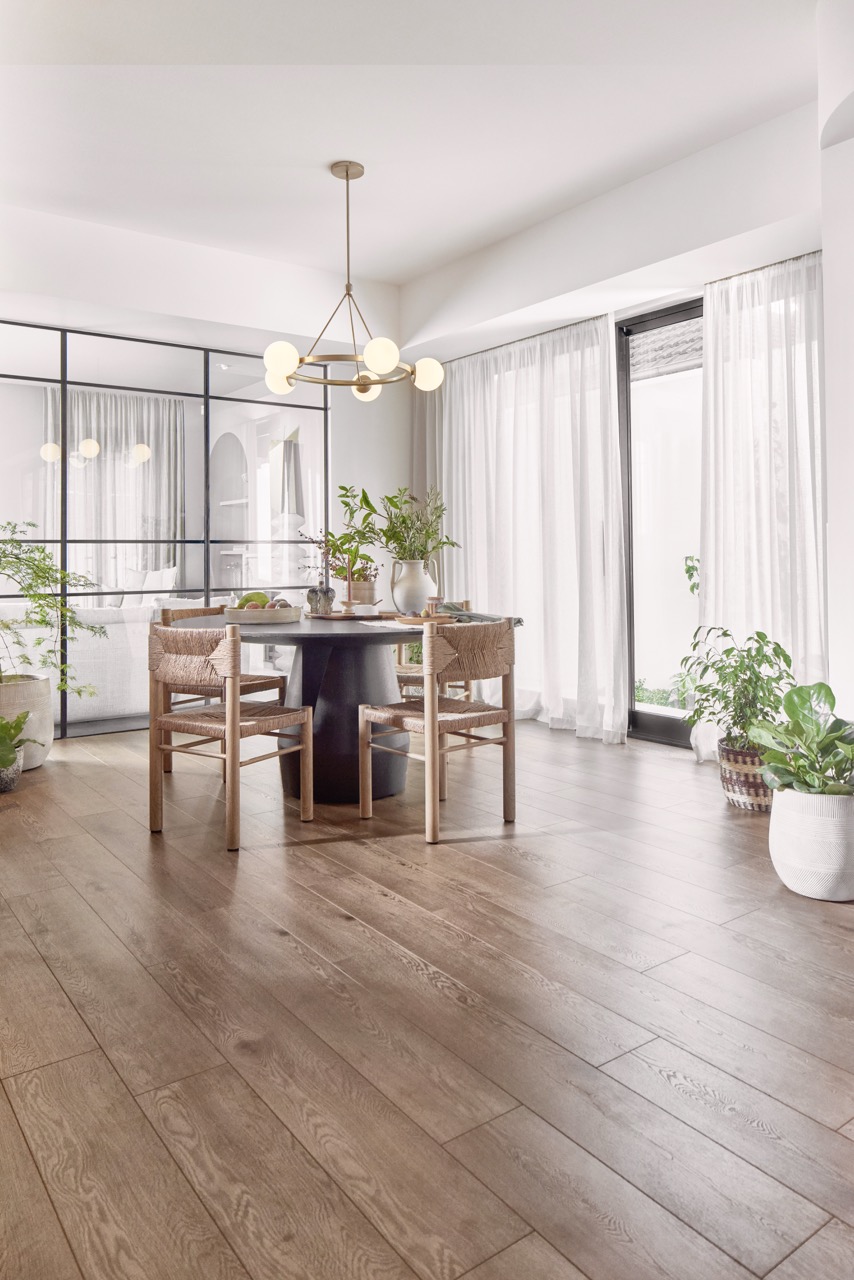
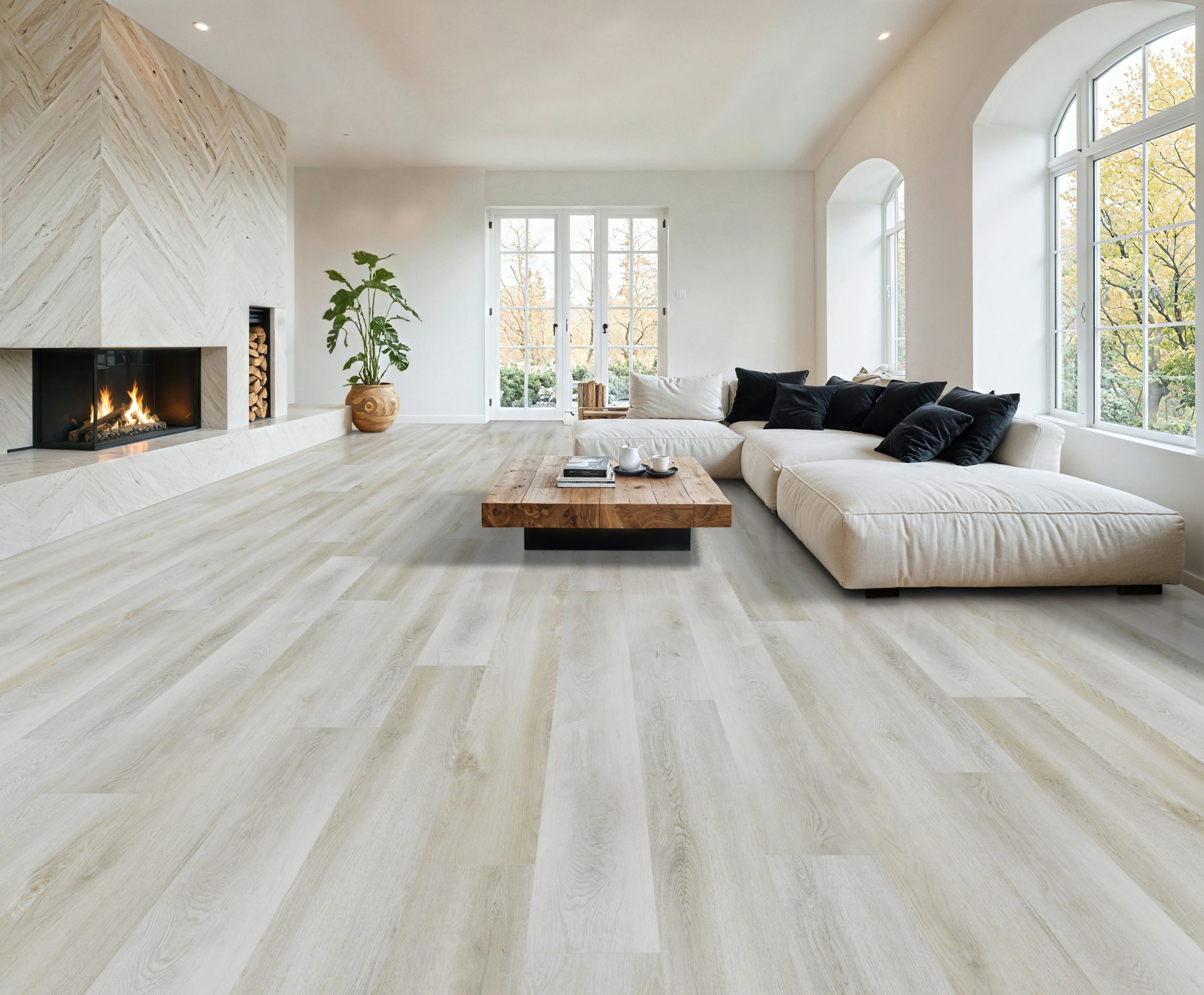
Dry living areas, bedrooms, home offices and hallways suit laminate well. In these environments, where moisture is not a regular factor and temperature conditions are reasonably stable, laminate delivers on its strengths: realistic timber looks, a timber-look surface and a range of finishes.
Laminate is available in a broad selection of timber visuals and plank formats. Compare each range’s wear rating, warranty and care instructions for the rooms in your home.
For homeowners wanting to compare timber-look floors, laminate is a practical option when chosen for the right rooms and installed correctly. Explore our laminate flooring range to compare colours, finishes and board sizes.
Comparing Laminate With Other Options
If moisture resistance, refinishability or a broader application range are priorities, these products are worth considering alongside laminate:
- Hybrid flooring has a rigid core. Moisture performance and room suitability vary by product and installation. See our hybrid flooring range.
- Engineered timber has a real wood surface. Whether it can be refinished depends on the product and the thickness of its timber layer.
- Vinyl plank comes in products with different moisture performance and installation systems, so compare the specific range for each room.
Our guide to flooring for Australian homes walks through how these products suit different rooms and lifestyles.
Installation methods and wet-area requirements vary by state and territory. Follow the selected product’s installation instructions and confirm applicable building requirements with your installer and local authority or certifier.
Frequently Asked Questions
-
Is laminate flooring waterproof? Moisture tolerance varies between laminate products. Promptly cleaning spills is sensible, but sustained moisture exposure can cause the core to swell at seams and edges. Bathroom or laundry suitability must be confirmed for the selected product and installation under local requirements.
-
How long does laminate flooring last? Lifespan varies by product, wear layer quality and the conditions it is used in. In suitable dry areas with proper care, laminate flooring can perform well for many years. An AC rating, where provided, is a European abrasion classification under EN 13329. Compare the full product specification and warranty, not just this rating.
-
Can you repair damaged laminate? Individual planks can be replaced if the same product is still available. Unlike timber, the surface cannot be sanded back, so badly scratched or damaged boards need swapping out rather than refinishing.
-
Is laminate a good choice for rental properties? Laminate can work well in rentals where a timber look and an accessible price point matter. In higher-traffic or higher-moisture situations, compare the specific hybrid product too, considering its care and installation requirements.
Choosing the right floor starts with understanding what each product does well. Our team can help you compare laminate, hybrid, timber and vinyl to find the right fit for every room.