Engineered timber flooring is real hardwood, just built smarter: a genuine timber surface bonded over layered core boards that keep it stable through Australian temperature and humidity swings. You get the grain, warmth and feel of solid wood, with far less of the swelling, shrinking and cupping that solid boards can go through as the seasons change.
There is a reason engineered timber has become the way most Australian homes get a real wood floor. It looks and feels identical to solid timber underfoot, because the surface genuinely is timber, yet it installs in more places, moves less with the seasons and sits far more happily over the concrete slabs most modern homes are built on. This guide explains how it is made, where it shines, where it does not, and how to choose well.
What Is Engineered Timber Flooring?
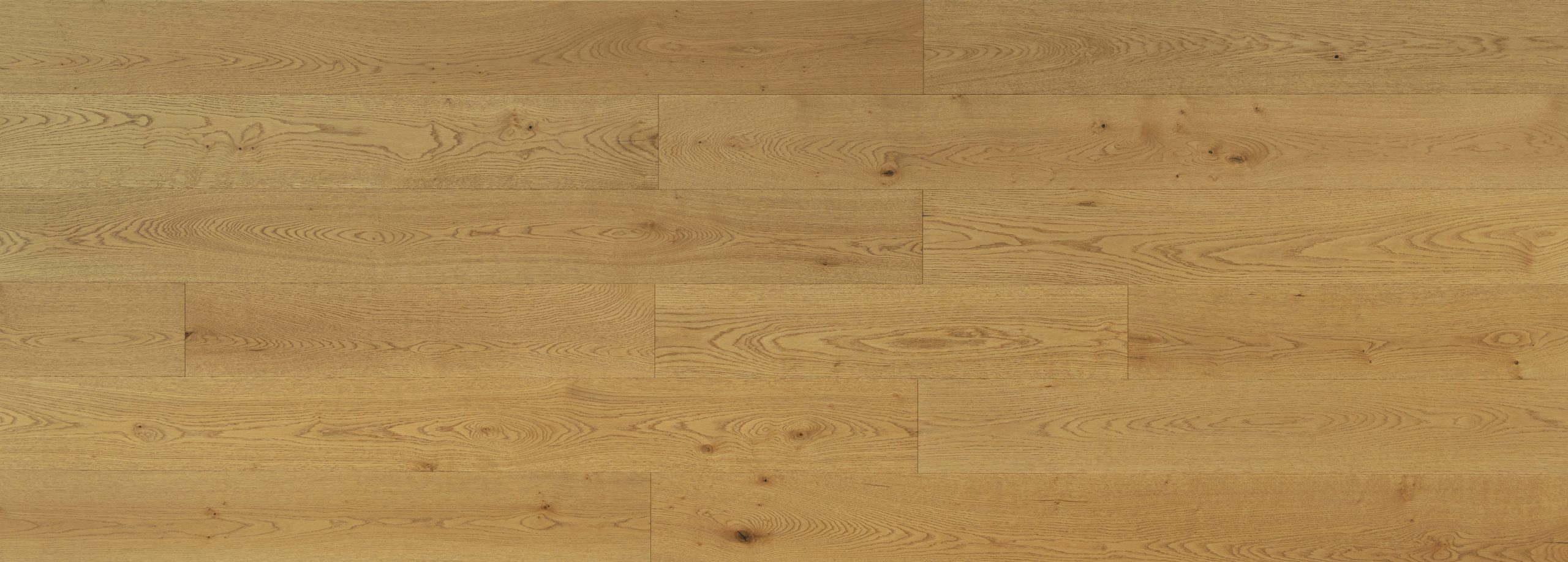
Engineered timber flooring is made from a layer of real hardwood, called the veneer or lamella, bonded to a multi-layered core beneath. The surface is genuine timber with all the natural grain, texture and colour variation that comes with it. No two boards are the same, which is exactly what people love about wood.
The cleverness is underneath. The core layers, usually plywood or high-density timber fibre, run in opposing directions, so the board resists the swelling and shrinking that solid timber goes through as temperature and humidity change. The result is a floor that is real wood where it counts and engineered where it helps.
How Engineered Timber Boards Are Made
Three parts decide how an engineered board looks, performs and lasts:
- The veneer – the real timber surface, typically between 2mm and 6mm thick. Thicker veneers look more like solid boards at the edges and can be re-sanded more times over the floor’s life, which is why veneer thickness is the first specification worth checking.
- The core – layered plywood or dense timber fibre arranged cross-grain for stability. A quality core is what keeps wide boards flat through summer humidity and winter heating.
- The finish – most boards arrive pre-finished with UV-cured oil or lacquer, meaning no sanding, coating or curing smells at installation time. Matte and low-sheen finishes are the current favourites in Australian homes.
Engineered vs Solid Timber
| Feature | Engineered Timber | Solid Timber |
|---|---|---|
| Surface | Real hardwood veneer | Hardwood all the way through |
| Stability | High, resists seasonal movement | Moves with humidity, needs acclimatisation |
| Over concrete slabs | Well suited | More complex and costly |
| Re-sanding | Limited by veneer thickness | Many times over its life |
| Installation | Floating or glue-down | Usually fixed to bearers or battens |
| Pre-finished options | Standard | Often finished on site |
Both floors are genuinely timber where your eyes and feet meet them. Solid timber offers a lifetime of re-sanding and suits traditional homes on timber subfloors. Engineered timber brings the same beauty to the concrete slabs, apartments and renovations where solid boards are harder to justify. Our full engineered vs solid timber comparison weighs both options room by room.
Advantages Of Engineered Timber
- Authentic timber surface – the grain, warmth and character are real, not printed, and the floor ages the way wood should.
- Stability – cross-layered cores dramatically reduce expansion and contraction, keeping boards flat and gaps closed through seasonal swings.
- Suits modern construction – it installs beautifully over concrete slabs, which is how most Australian homes are now built, and floats or glues down depending on the project.
- Pre-finished convenience – no on-site sanding and coating, so rooms are walkable the day the floor goes in.
- Long-term value – a well-chosen engineered floor with a generous veneer serves a home for decades and reads as real timber to buyers, because it is.
Engineered Timber Disadvantages
An honest floor guide covers the limits too:
- Limited re-sanding – the veneer decides how many refreshes the floor has in it. Thin veneers may allow one light sand, generous ones several. Solid timber holds the advantage here.
- Not waterproof – engineered timber tolerates normal life and prompt spill clean-ups, but standing water can damage the veneer and core. Laundries and bathrooms are the wrong rooms for it.
- Quality varies widely – veneer thickness, core construction and finish quality differ between ranges more than photos suggest. The specification sheet tells the real story.
- Price – it sits above hybrid and laminate, as you would expect of real timber, though below solid timber once installation is counted.
Each of these limits carries more nuance than a bullet point can hold. Our guide to the problems and disadvantages of engineered timber flooring works through them one by one, including which ones you can buy your way around.
Types Of Engineered Timber Flooring
- Species – European oak dominates for its even grain and staining versatility, while Australian species like blackbutt and spotted gum bring the distinctive character of local hardwoods.
- Board formats – wide, long boards suit open plan spaces, while herringbone and chevron patterns turn the floor itself into a design feature.
- Veneer thickness – entry ranges sit around 2mm to 3mm, quality ranges from 4mm to 6mm. More veneer means more future re-sands and a longer working life.
- Finishes – matte lacquers keep the natural look with easy care, oiled finishes deepen the timber’s character and can be refreshed locally, and brushed textures highlight the grain underfoot.
How Engineered Timber Compares To Other Floors
Engineered timber vs laminate flooring
Laminate’s surface is a photograph of timber under a hard wear layer; engineered timber’s surface is timber. Laminate wins on scratch resistance and price, engineered wins on authenticity, feel and the ability to refresh the surface rather than replace it. Our guide to the best flooring for Australian homes compares both across every room.
Engineered timber vs hybrid flooring
Hybrid flooring is the practical all-rounder: waterproof planks, whole-home flexibility and easy care. Engineered timber is the authentic choice: real wood character that hybrid’s printed surfaces admire from a distance. Busy, spill-prone family zones lean hybrid; living spaces where warmth and authenticity matter lean engineered timber. Plenty of homes use both. For the full room-by-room verdict, see our engineered timber vs hybrid flooring comparison.
What engineered timber costs compared to other floors
Engineered timber is the premium option of the hard floors. As a guide, expect roughly $115 to $250 per square metre installed (RRP), compared with about $80 to $140 for hybrid and $55 to $140 for laminate. The gap buys real hardwood underfoot and a surface that can be re-sanded rather than replaced. Prices vary with the range, veneer thickness and your subfloor, so treat these as a starting point and confirm with a written quote. For the full breakdown of ranges, formats and what moves the price, see our engineered timber flooring cost guide.
Which Rooms Suit Engineered Timber?
Engineered timber is at its best in living rooms, dining rooms, bedrooms, hallways and open plan spaces, and it is a natural fit for renovations over existing slabs. Keep it out of laundries and bathrooms, and use mats at external doors in beach and acreage homes where grit travels inside.
Caring For Engineered Timber
Care is simple: regular sweeping or vacuuming to keep grit off the surface, a well-wrung damp mop with a cleaner your manufacturer approves, felt pads under furniture and prompt attention to spills. Check the care guide before choosing cleaning products, because using something outside the approved list can void the warranty. With those habits, the floor’s biggest maintenance event might be a single re-sand decades from now.
Frequently Asked Questions
- Can engineered timber be sanded and refinished? – yes, within the limits of its veneer. A 4mm to 6mm veneer typically allows two or more careful re-sands, a 2mm veneer perhaps one light refresh. Thicker veneer buys a longer life.
- Is engineered timber flooring waterproof? – no. It handles everyday spills that are wiped up promptly, but standing water can damage real timber. For wet areas, hybrid or vinyl is the right tool.
- Is it real wood? – genuinely yes. The surface you see and walk on is hardwood; only the core beneath is engineered, and that core is what makes it more stable than solid boards.
- Can it go over underfloor heating? – many engineered ranges are compatible within set temperature limits, and its stability makes it better suited than solid timber. Confirm the specification for the exact range you choose.
- How long does engineered timber flooring last? – a quality board with a generous veneer, installed well and cared for simply, serves a home for twenty to thirty years or more, with re-sanding available to refresh it along the way.
- Does engineered timber need to acclimatise before installation? – far less than solid timber. The layered construction keeps boards stable, so many ranges are ready to install once they have been stored correctly. Where a manufacturer does specify an acclimatisation period, the job is planned around that requirement.
Seeing Timber In Your Own Light
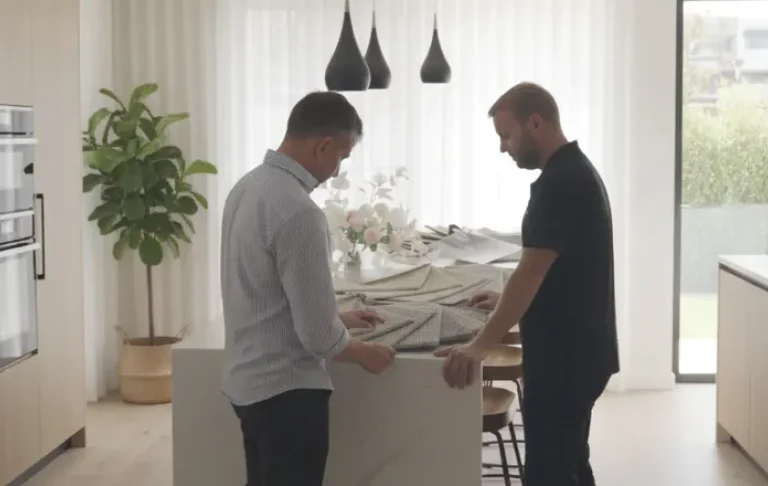
Timber changes character with light more than any other floor. The same oak reads golden in a north-facing room and cool grey in a shaded one, which is why choosing from a photo is a gamble. Our mobile showroom brings our timber flooring range to your home, so you can lay samples in the exact rooms and light they will live in, compare species and finishes side by side, and get honest advice on veneers and specifications while a professional measure happens in the same visit. Book a free in-home measure and quote when you are ready to see it properly.