By Team Beare. Updated August 2026.
Hybrid flooring has genuine drawbacks, and it pays to know them before you buy. It feels firmer underfoot than carpet, it cannot be sanded back like solid timber, quality varies widely between boards, and its waterproof reputation only covers water from above, not moisture rising from below. None of these are deal breakers for most Australian homes, but every one of them is worth understanding. This guide walks through each problem honestly, with the context that helps you weigh it fairly.
What Is Hybrid Flooring?
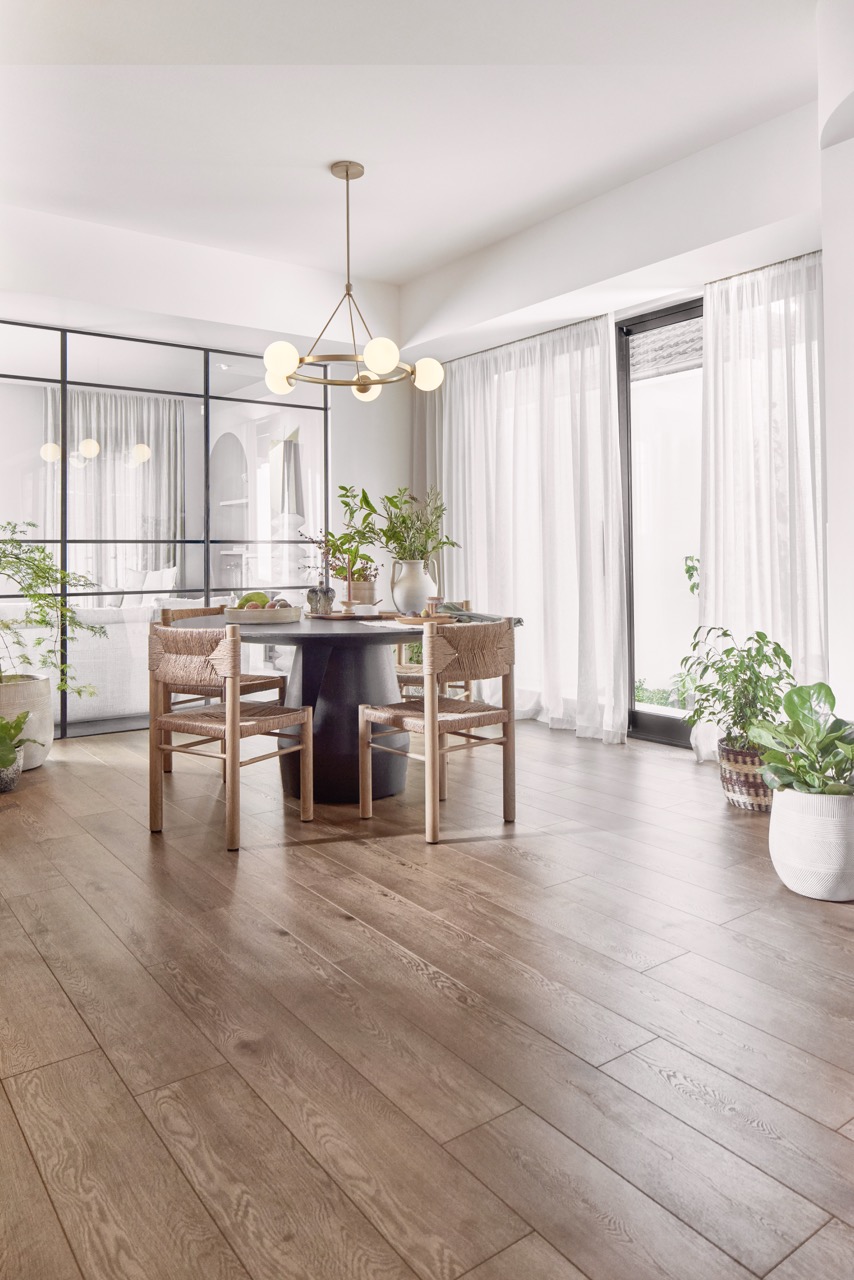
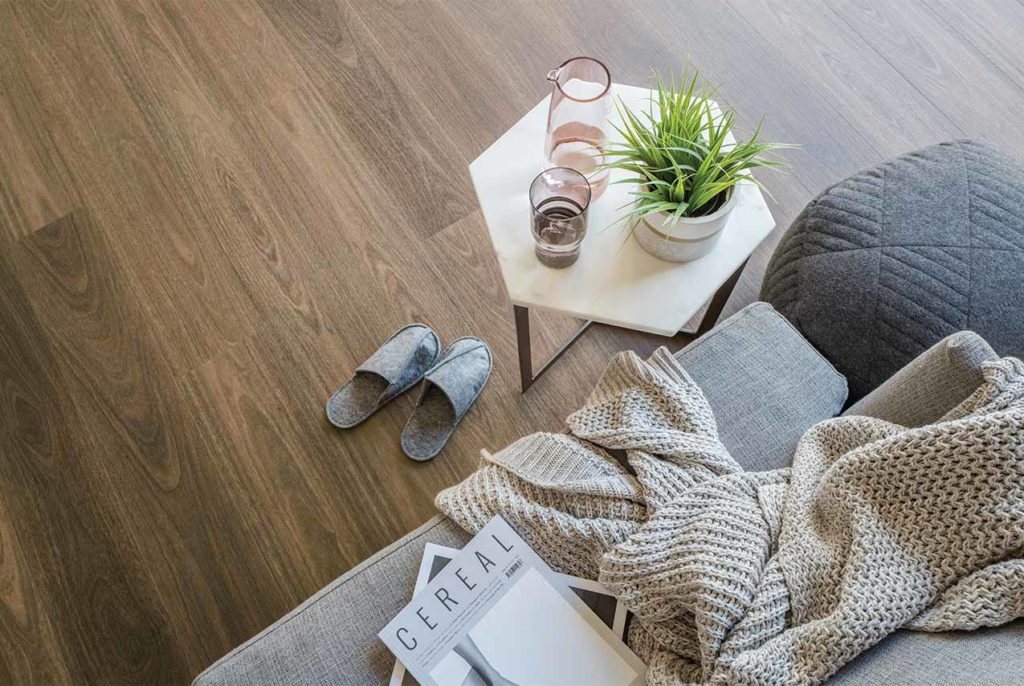
A quick refresher helps the rest of this guide make sense. Hybrid flooring is a rigid plank that combines a waterproof core with a printed timber-look surface and a protective wear layer on top. The planks click together and float over the subfloor rather than being glued or nailed down. The core is usually stone plastic composite (SPC) or wood plastic composite (WPC), and the difference between the two matters more than most buyers realise. Our SPC vs WPC guide covers that in detail.
Hybrid earned its popularity by solving problems older floors could not. It shrugs off spills that would swell laminate, it stays more stable than timber through seasonal changes, and it installs quickly. But no floor is perfect, and hybrid is no exception. Here are the real disadvantages.
It Feels Firmer Underfoot Than Carpet
Hybrid is a hard flooring product, and it feels like one. If you are replacing carpet in bedrooms or living areas, the change underfoot is noticeable. The rigid core that gives hybrid its stability also gives it very little cushioning, so standing on it for long stretches in the kitchen feels different to standing on carpet or even on some vinyl products with softer backings.
The balancing context: most hybrid planks come with a pre-attached underlay layer that softens the feel slightly, and WPC cores are a little more forgiving than SPC. Many households actually prefer the solid, quality feel of a firm floor, and it is part of why hybrid works so well in busy areas. But if softness underfoot is your top priority for a bedroom, it is worth weighing carpet for that room and hybrid for the rest of the home.
It Can Sound Harder Than Timber
Footsteps, pet claws and dropped items sound sharper on a hard floating floor than they do on carpet, and without a decent acoustic layer a hybrid floor can sound hollower than glued-down timber. Because the planks float above the subfloor, there is a small air gap that can amplify footfall in some rooms, especially over timber subfloors and in upstairs areas.
The balancing context: this is largely solved by the underlay. Most quality hybrid boards now come with an acoustic backing already attached, and an additional acoustic underlay can be added where noise matters, such as upstairs bedrooms or apartments. A well prepared, flat subfloor also makes a big difference, because hollow sounds are often the floor telegraphing dips underneath. Choose a board with a good backing and the noise difference becomes minor.
Quality Varies Widely Between Boards
This is probably the biggest trap for buyers. Two hybrid planks can look identical in a photo and perform completely differently in a home. The differences hide in the parts you cannot see at a glance:
- Wear layer – the clear protective coating on top. Thinner wear layers mark and dull sooner in busy homes, though thickness alone never tells the whole story, because coating quality matters just as much.
- Core density – denser cores resist dents from furniture legs and dropped items. Lightweight cores can feel fine on day one and show damage within a year.
- Locking system – cheap click profiles can lift or separate at the joins over time, while quality systems stay tight for the life of the floor.
- Print and texture quality – budget boards often repeat the same plank pattern frequently, which the eye picks up across a large room.
The balancing context: this is not a reason to avoid hybrid, it is a reason to compare boards properly before buying. Seeing and handling samples side by side in your own home reveals differences a website never will. If you want a sense of how quality tiers are usually structured, our hybrid flooring cost guide explains what separates entry-level boards from the top of the range.
It Cannot Be Sanded And Refinished
Solid timber can be sanded back and recoated several times over its life, which is why timber floors can last generations. Hybrid cannot. The timber look is a printed layer, not real wood, so once the wear layer is worn through or a plank is badly damaged, sanding is not an option. The floor’s lifespan is the lifespan of that wear layer.
The balancing context: individual planks can usually be replaced if one is damaged, which is a repair timber cannot match without visible patching. And a quality hybrid floor with a robust wear layer will comfortably serve a family home for many years before replacement is a conversation. If you are choosing between the two, our hybrid vs laminate comparison also covers how these layered floors age compared to each other.
Direct Sun Can Fade Some Boards
Australian sunlight is harsh, and hybrid is not immune. In rooms with large north or west facing windows, boards that cop direct sun for hours every day can fade or discolour over the years, particularly cheaper boards without UV-resistant coatings. You may only notice when you move a piece of furniture and find a darker patch underneath.
The balancing context: quality boards include UV inhibitors in the wear layer that slow fading significantly, and simple habits help, such as closing window furnishings during the hottest part of the day in full-sun rooms. Fading is gradual and even across exposed areas, so most homeowners never register it. It becomes a real problem mainly with bargain boards in very sunny rooms.
Expansion Requirements Vary Between Products
Hybrid is marketed on its dimensional stability, and it genuinely moves far less than laminate or timber. Expansion requirements vary between hybrid flooring products. Some ranges require perimeter expansion gaps and transition joints, while other products may have different installation requirements. The specific manufacturer’s installation guide and warranty conditions must always be followed.
The balancing context: where gaps are required, they sit hidden under the skirting or trim and are invisible in a properly finished installation, so this is less a livability problem and more a planning one. It matters mostly when homeowners expect hybrid to run uninterrupted through an entire home without any breaks, which some products allow and others do not. A professional measure confirms what your chosen product needs before a single plank is ordered.
Subfloor Preparation Still Matters
Because hybrid planks are rigid, some sellers imply they can bridge over rough or uneven subfloors that vinyl cannot. That is only half true. A rigid plank will sit over minor imperfections, but significant dips and high spots cause problems: joins flex and click as you walk, planks can eventually work loose at the locking edges, and the floor sounds hollow in the low spots.
The balancing context: subfloor preparation is a normal part of any hard flooring installation, not a hidden catch unique to hybrid. Levelling compound over concrete or sheeting over an uneven timber subfloor solves it. The mistake to avoid is skipping preparation to save time, because the floor above can only ever be as good as the surface below it.
Waterproof From The Top, Not The Bottom
This is the disadvantage almost nobody explains honestly. Hybrid’s core is waterproof from the top down, meaning spills, wet feet, pet accidents and mopping will not swell or damage the planks the way they damage laminate. That claim is true and it is one of hybrid’s genuine strengths.
What the marketing rarely mentions is moisture from below. Hybrid does not seal your subfloor, and it is not a fix for damp coming up through a concrete slab or rising moisture under a timber subfloor. Trapped moisture underneath a floating floor can lead to odours, mould and subfloor damage regardless of how water-resistant the planks themselves are. Water can also find its way through the joins and around the edges of the floor in a genuine flooding event, so hybrid protects against everyday water, not disasters.
The balancing context: for the overwhelming majority of homes this never becomes an issue, and a moisture test on the subfloor before installation catches the rare cases where it would. The point is simply to buy with accurate expectations. Hybrid handles life’s spills brilliantly. It is not a damp-proofing product.
So Do The Benefits Outweigh The Problems?
For most Australian homes, yes, and comfortably. Every drawback on this list has either a practical workaround or an honest trade-off attached, and what you get in return is a floor that handles spills, pets, kids and busy households with less fuss than almost anything else at its level. It suits our climate, it installs quickly, and modern boards look convincingly like timber, including formats that were once reserved for expensive hardwood, such as herringbone hybrid flooring.
The buyers who end up disappointed are usually the ones who bought the cheapest board they could find, skipped subfloor preparation, or expected a waterproof miracle product. The buyers who compare quality boards properly, in their own home and their own light, almost always end up happy.
Please note that installation methods and requirements vary by state and territory. Always follow the manufacturer’s installation instructions for your specific product, and confirm any building or wet-area requirements with your local authority or certifier, such as the QBCC in Queensland.
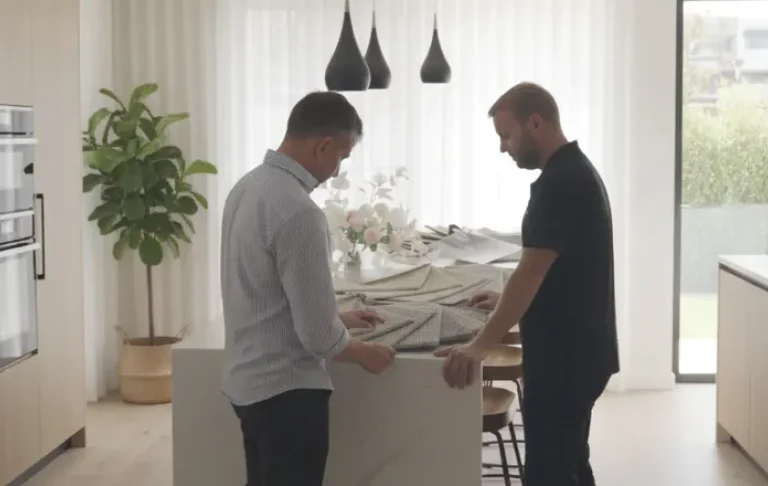
If you are weighing up hybrid for your home, the easiest next step is seeing real boards in your own rooms. Our mobile showroom brings the samples to you, and a free measure and quote means you will know exactly what your space needs before you commit. Browse the hybrid range or book a visit at a time that suits you.
Hybrid Flooring FAQs
How long does hybrid flooring last?
A quality hybrid floor in a typical family home generally lasts well over a decade, and often much longer. Lifespan depends mostly on the wear layer quality, the core density and how busy the home is. Budget boards in high-traffic homes wear noticeably sooner.
Does hybrid flooring scratch easily?
Quality boards resist everyday scratching well thanks to their protective wear layer, but no floor is scratch proof. Dragged furniture and grit trapped under moving objects are the usual culprits. Felt pads under furniture legs and regular sweeping prevent most damage.
Can you repair a damaged hybrid plank?
Usually yes. Because the planks click together, an installer can often disassemble the floor back to the damaged plank and replace it. This is much cleaner than patching timber or laminate, though it is easier when you keep a box of spare planks from the original installation.
Is hybrid flooring suitable for wet areas like laundries?
Many hybrid products are suitable for laundries and kitchens because they handle spills and splashes from above without swelling. Suitability for any wet area depends on the specific product, the installation system and the manufacturer’s requirements, so always check the instructions for the board you choose and confirm any compliance requirements that apply in your state.
Is hybrid flooring better than laminate?
They suit different situations. Hybrid handles moisture from above far better and tends to feel more stable, while laminate can offer excellent scratch resistance for its class. Our hybrid vs laminate guide compares them in detail so you can match the floor to your rooms.
Does hybrid flooring add value to a home?
A fresh, quality hard floor in a timber look consistently presents well to buyers and renters, and hybrid achieves that look with practical durability. It will not carry the prestige of genuine solid timber, but for most properties it reads as a modern, well maintained home, which is what matters at sale or lease time.
Is hybrid flooring toxic?
No. Hybrid boards sold by reputable Australian retailers are low-VOC and certified to strict emission standards, with a rigid SPC mineral core rather than the softer plastics used in older vinyl products. A brand-new floor can carry a faint smell for the first day or two, and normal airing clears it. If air quality matters to you, ask to see the emissions certification for the exact product, and we can show you ours.
Does hybrid flooring need to acclimatise before installation?
Not in the way solid timber does. Hybrid boards are built around a stable rigid core, and stock that has been stored correctly is ready to install on delivery, which is why our installers typically collect your flooring on the day of installation. If a manufacturer specifies a settling period for a particular range, we plan the job around it.